fbpx

A Bisl Torah — Loving, Truthful Words

Moses opens our eyes to a real necessity: if we truly love someone, sometimes, the hard, honest truths need to be shared.
[additional-authors]
July 31, 2025

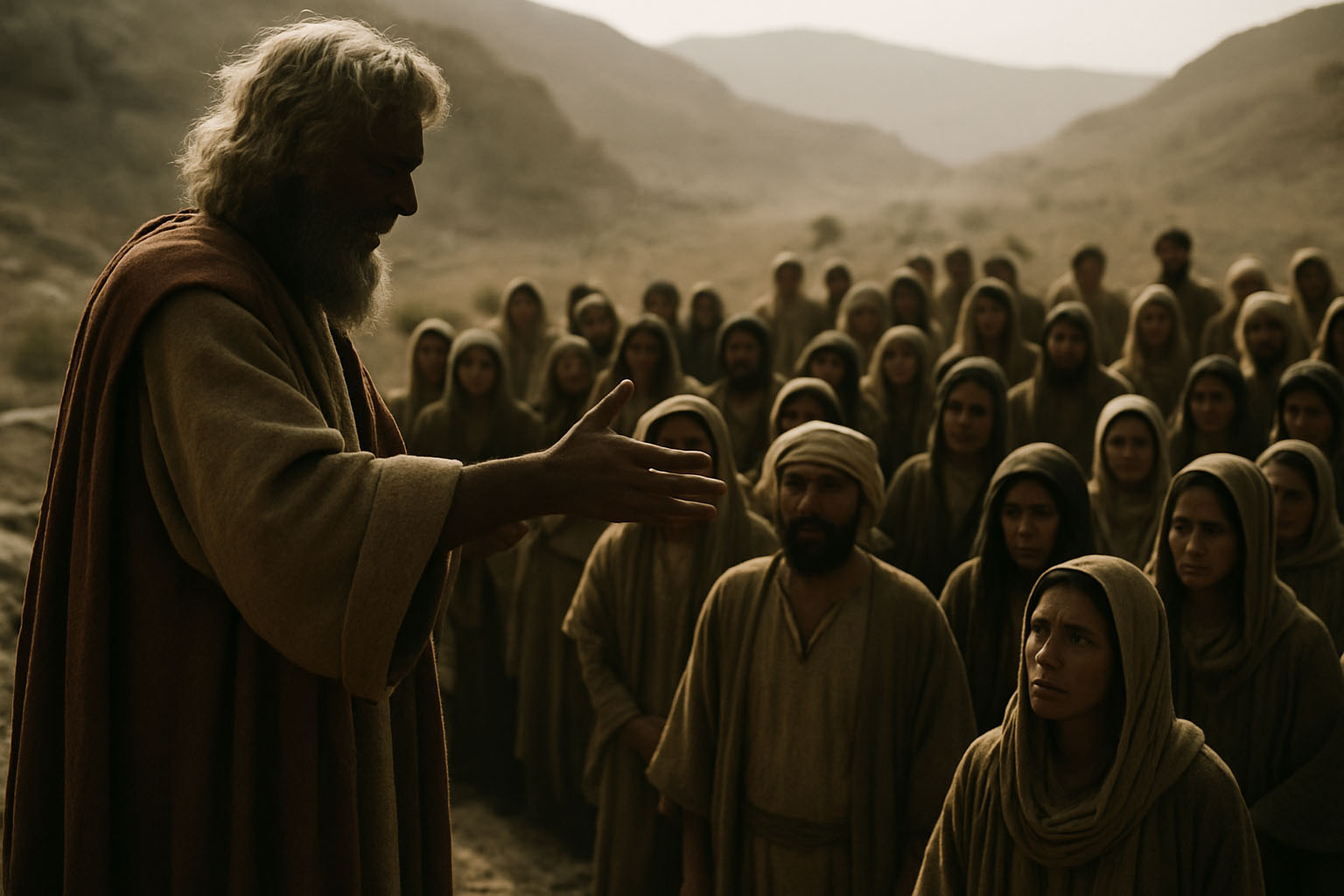
At the beginning of Deuteronomy, Moses begins his series of diatribes to the Jewish people. He begins to recount the events and experiences that he and the people endured together.

However, the commentators teach that each place Moses mentions is an allusion of a sin or failure the people have made. The Sifri explains that some of the locations don’t even exist. Rather, Moses was using geographical landmarks to help the children of Israel understand where along their journey they went astray.

Some may say that at the end of his life, Moses should have merely offered words of comfort to the people. However, in these final days, Moses still offers important life lessons to future generations.

From whom are we most likely to hear harsh but truthful words about our own behaviors? Strangers can be written off, but loved ones, especially those we admire, may serve as the best sounding boards. Moses knew that he could use his precious time to tell the Israelites what they wanted to hear. Or he could use his time to tell them what they needed to hear.

How we share feedback is for a different D’Var Torah. But Moses opens our eyes to a real necessity: if we truly love someone, sometimes, the hard, honest truths need to be shared.

For if we don’t, will any of us ever become the best versions of creation that God intended?

Shabbat Shalom


Rabbi Nicole Guzik is senior rabbi at Sinai Temple. She can be reached at her Facebook page at Rabbi Nicole Guzik or on Instagram @rabbiguzik. For more writings, visit Rabbi Guzik’s blog section from Sinai Temple’s website.


Did you enjoy this article?
You'll love our roundtable.

Editor's Picks

Latest Articles

Sushi Day Recipes with Marisa Baggett

Whether you’re a longtime sushi lover or a newbie to preparing this creative cuisine, Baggett’s recipes are a delicious way to mark the holiday.

What Antisemitism Requires of Us

The current Jewish debate cannot end with a choice between fighting antisemites and strengthening Jewish life. Both are necessary, but neither fully answers what this moment requires.

Is History Asking Too Much of Us?

The question for the Jewish people today is not merely whether we believe in the future but whether we are willing to become the kind of people that the future requires.

Rosner’s Domain | Can Israel’s Image Be Fixed?

Israelis view themselves as fighting for survival, just, fair, moral and brave, while the rest of the world sees something else entirely, viewing Israel as a country that has lost its brakes, destabilizing the order and running amok without justification.

Nothing to Fear but Fear

If I toss out a can of baked beans that expired one day earlier for fear of botulism, what do you think goes through my mind when it comes to bears, mountain lions, sharks and rattlesnakes?

The Many-States Solution

As we weigh the benefits and downsides of a potential two-state solution, the unguaranteed but plausible prospect of an unprecedented regional peace should be considered as part of that discussion.

What Can AI Do for Us?

The question is not whether Jewish communities will use AI; they already are. The question is whether we will adopt these tools passively, or shape them deliberately according to Jewish values, Jewish learning, and Jewish responsibility.

More news and opinions than at a Shabbat dinner, right in your inbox.