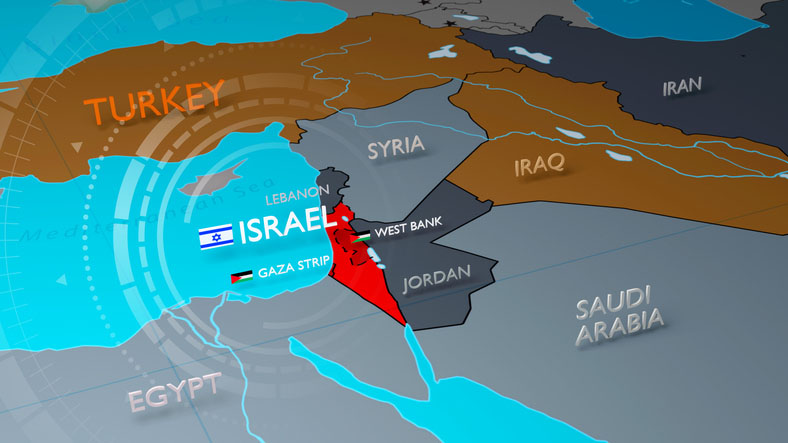
Last week we discussed the declining support among both Israeli and American Jews for a two-state solution in which a Jewish nation and a recognized Palestinian country would exist side-by-side. However, that analysis neglected to mention a key constituency that still strongly favors such an agreement: Israel’s Arab neighbors.
No Israeli leader who hoped to remain in office would ever prioritize the preferences of Saudi Arabia, Qatar and other Muslim states over the wishes of Diaspora Jews, let alone over the desires of the Israeli people themselves. But the vast majority of Israel’s political, diplomatic and military experts recognize that lasting Middle East peace cannot be achieved without normalizing relationships with the Saudis and other regional powers. And the undeniable reality in a post-Oct. 7 world is that normalization won’t happen without a resolution of the Palestinian conflict.
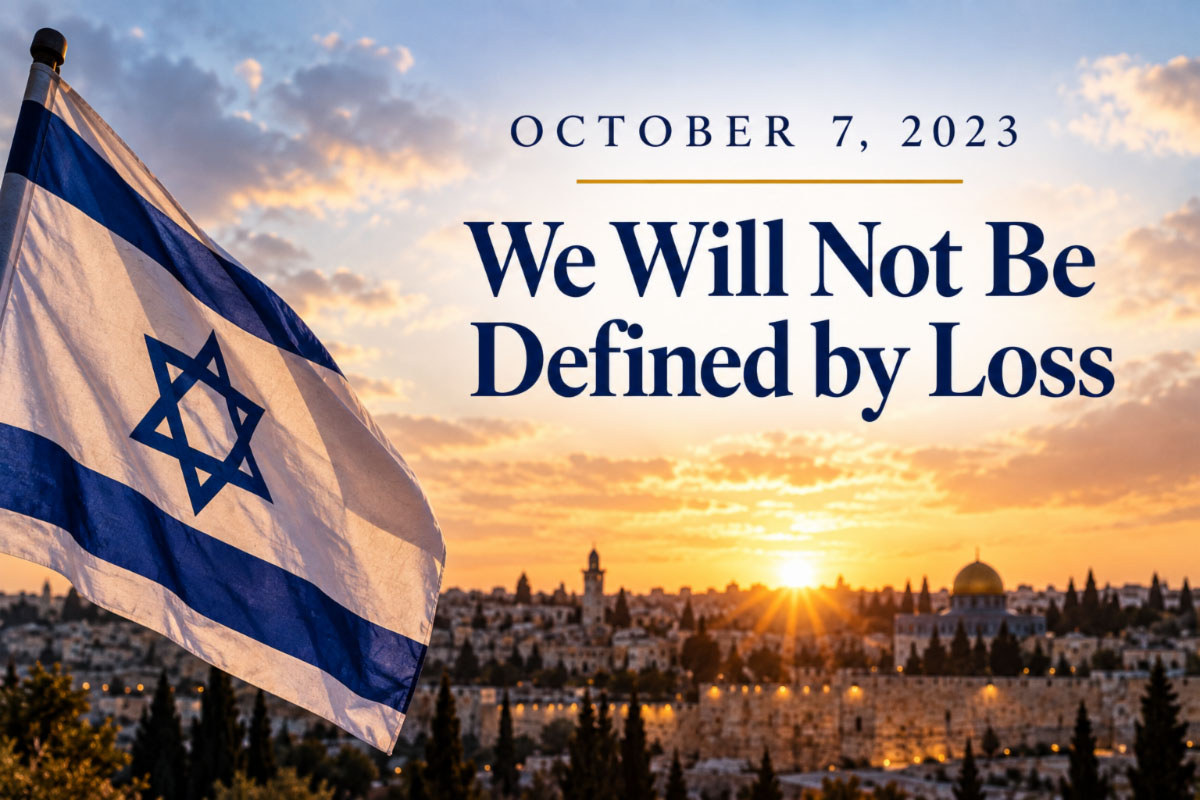
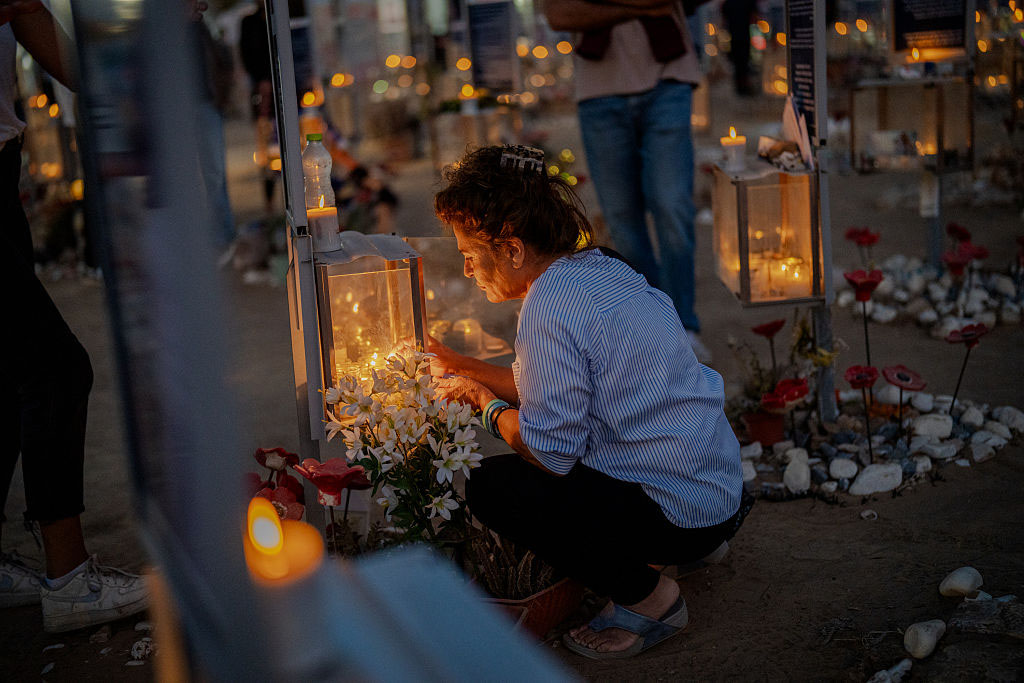
That is the primary reason that the Oct. 7 murders and kidnappings occurred, of course: because Hamas’ leaders recognized such an agreement between Jerusalem and Riyadh was coming close to fruition. They understood that their horrific terrorist actions would immediately derail any progress in that direction. Their gruesome gamble has proven successful and the prospect for any formal Israeli-Saudi relationship is now at its lowest point in years.
This reality did not stop Donald Trump from recently demanding that Saudi Arabia, and even less plausible partners such as Turkey and Pakistan, should sign on to an expanded Abraham Accords and establish formal diplomatic relations with Israel. Trump explained his proposal as a price that Arab and Muslim nations should be required to pay in exchange for Trump ending the U.S.-Iran war — a flight of geopolitical fancy with no immediately recognizable prospect of occurring in today’s Middle East.
Trump’s mandate was a nonstarter for a number of reasons, the most significant being that the Arab world did not want war with Iran and argued strenuously against it as a threat to their stability and commerce. It has put their peoples and their economies at great risk, and as a result it has increased their level of distrust toward both the United States and Israel to even greater levels. If anything, the Iran War has created a more formidable obstacle to normalization than the Hamas attacks.
But Saudi Arabia and the other gulf states still want regional and domestic stability, they still want to expand their economic bases beyond what they are provided by their dwindling oil reserves, and they still want a reduced threat of violence that will help them achieve these goals. But they also recognize that Iran will continue to be a threat to them, that an alliance with Israel is the best protection against that threat and that the establishment of a Palestinian state is a prerequisite for both. There may have been a time before Oct. 7 when more broadly worded phrasing like “a path toward statehood” would have given both Israeli and Saudi politicians enough rhetorical cover to avoid hard and tangible commitment. But no more.
The option of creative diplomatic ambiguity is gone and may not return for many years. So there is a stark choice facing Benjamin Netanyahu (or more likely his successor). In the not-too-distant future, Israel’s prime minister will have to decide how and when to make this trade. The domestic political opposition will be withering – that was Hamas’ objective. The question is whether an Israeli leader can convince the country’s understandably suspicious electorate that such an audacious, potentially improvident but also potentially transformative step is the most likely and possibly the only path to long overdue peace for our people and our homeland.
As I stated earlier, Israel should — and will — never place the goals of its neighbors above the needs of its own people. But as we weigh the benefits and downsides of a potential two-state solution, the unguaranteed but plausible prospect of an unprecedented regional peace should be considered as part of that discussion. Throughout our history, the Jewish people have taken great risks to ensure our survival. The moment for a similar decision is rapidly approaching.
Dan Schnur is the U.S. Politics Editor for the Jewish Journal. He teaches courses in politics, communications, and leadership at UC Berkeley, USC and Pepperdine. He hosts the monthly webinar “The Dan Schnur Political Report” for the Los Angeles World Affairs Council & Town Hall. Follow Dan’s work at www.danschnurpolitics.com