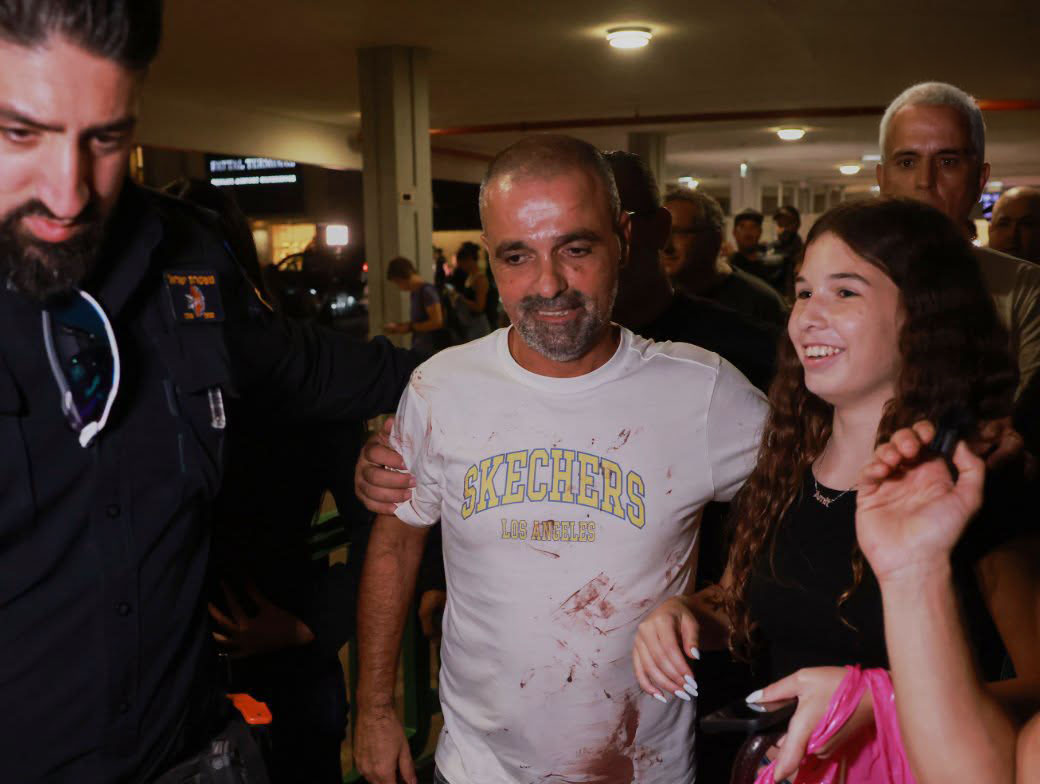
Will Sept. 30 Go Down in History Like Oct. 7?
Perhaps Sept. 30 showed up right before we paid tribute to Oct. 7 to deliver this message: Remember the tragedies but never forget the miracles.

Perhaps Sept. 30 showed up right before we paid tribute to Oct. 7 to deliver this message: Remember the tragedies but never forget the miracles.
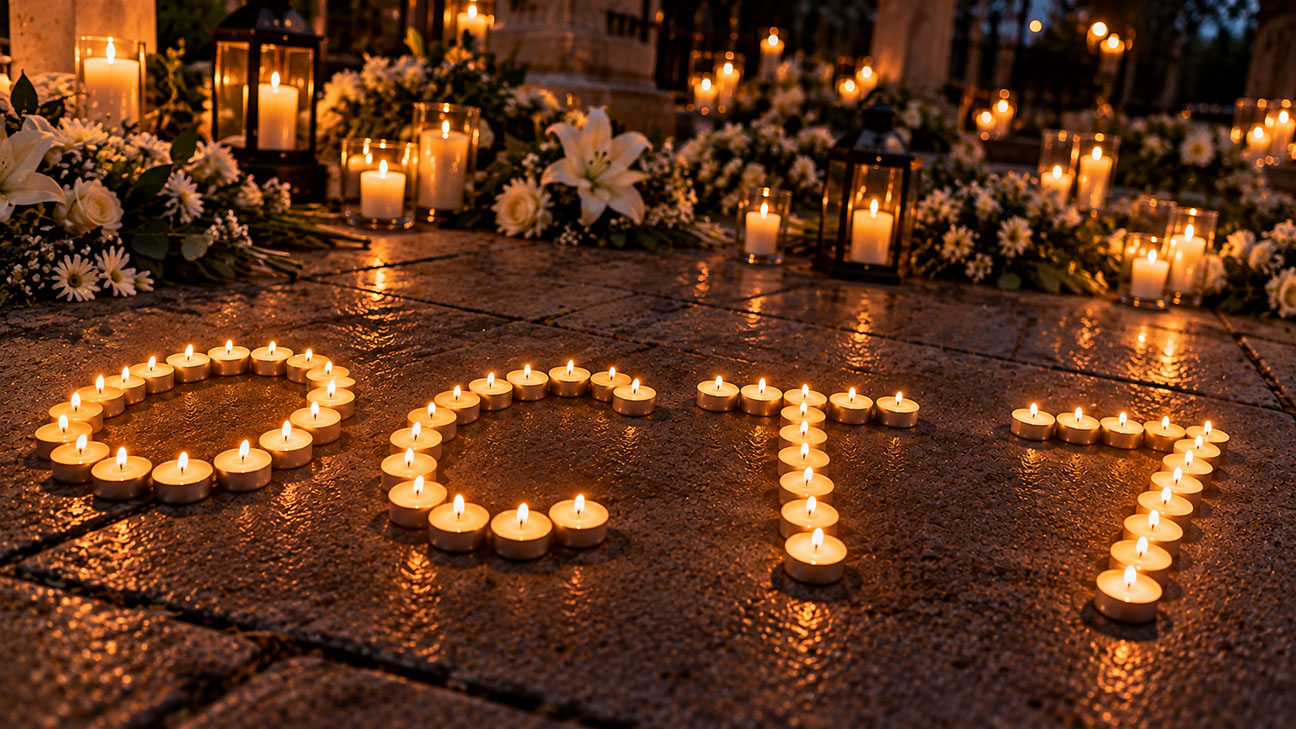
It’s hard to imagine commemorating such a dark event on a day of joy. The cognitive dissonance would be unbearable.
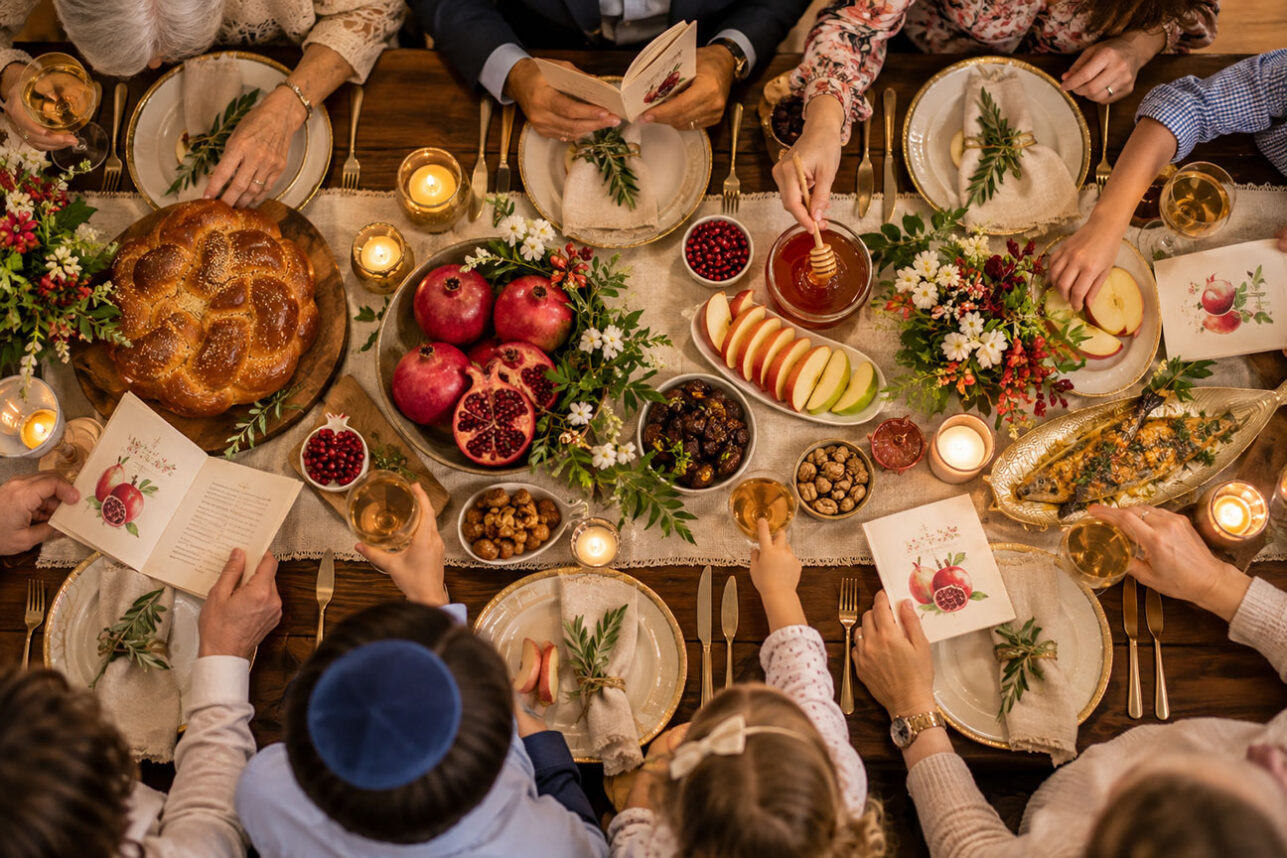
This is how we honor the memory of our ancestors, elevate our children, and fulfill our mission to heal the world
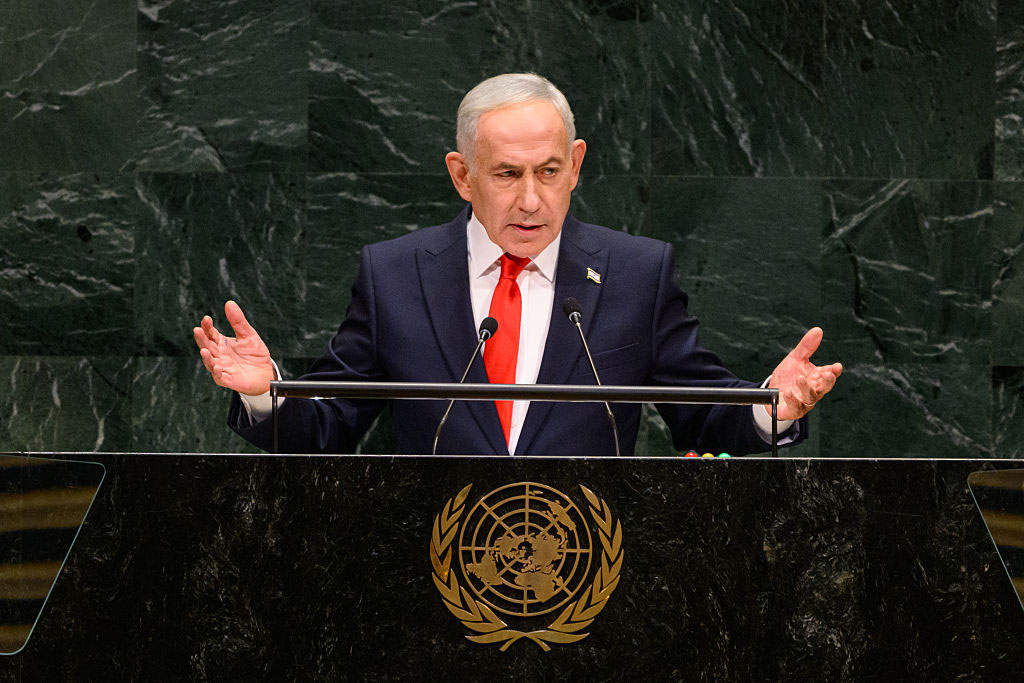
If Bibi is unable to persuade enough Israelis to his side on the Haredi or West Bank settlements, he is the unparalleled master at rallying his country to stand together against their enemies.

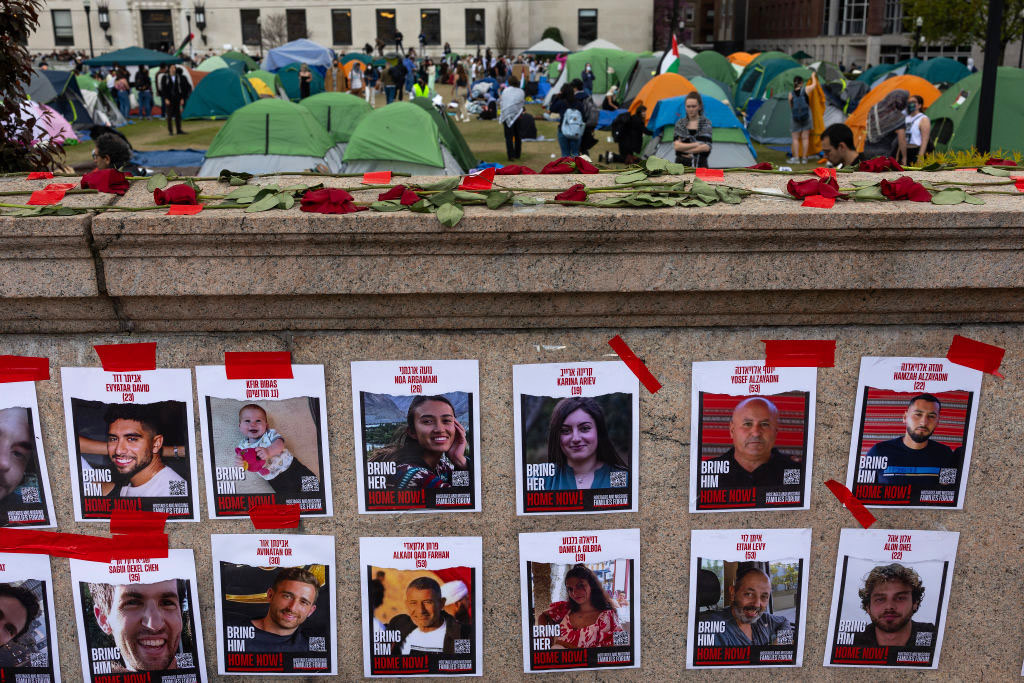
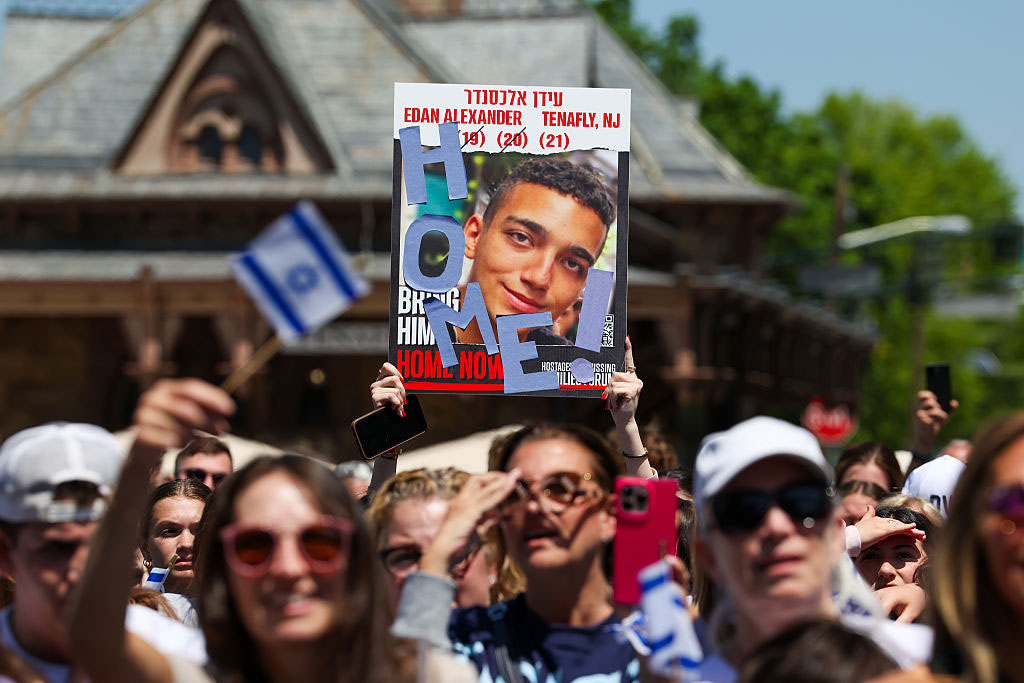
While the atrocity of Oct. 7 is viscerally lodged in my memory, there is one thing I’ve been trying very hard to forget.
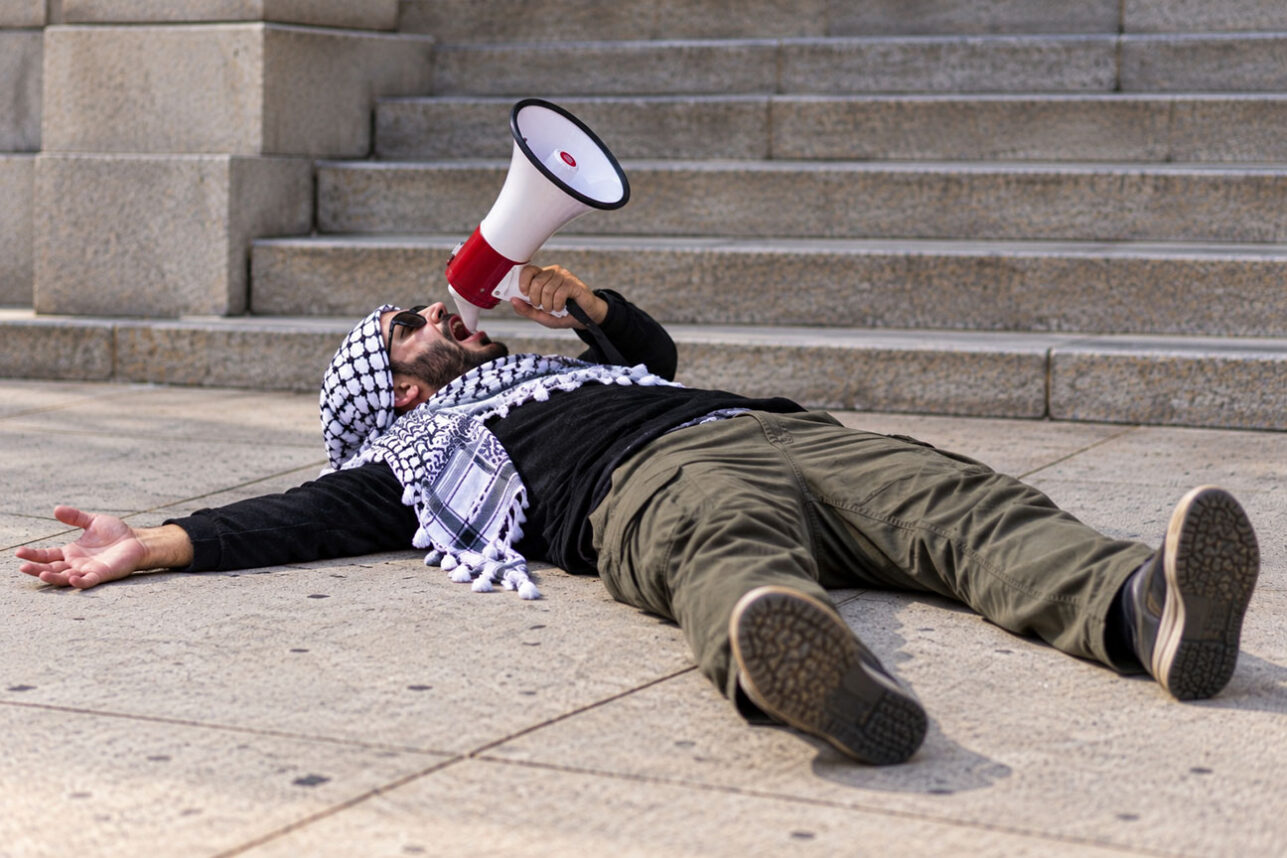
No matter how loud and how long and how often and how eagerly they have screamed, all they see are stubborn Jews who just keep going, Jews who can’t be stopped.

In between his songs, he proclaimed, “Free Palestine,” which is fine, asserted that opposing Israeli military actions is not antisemitic, which is accurate, and accused Israel of apartheid and genocide, which is offensive, untrue and hateful.

They can destroy our Temples and demonize us on social media, but they can’t destroy a joyful spirit that never stops building. That enduring spirit is the power of the sukkah.
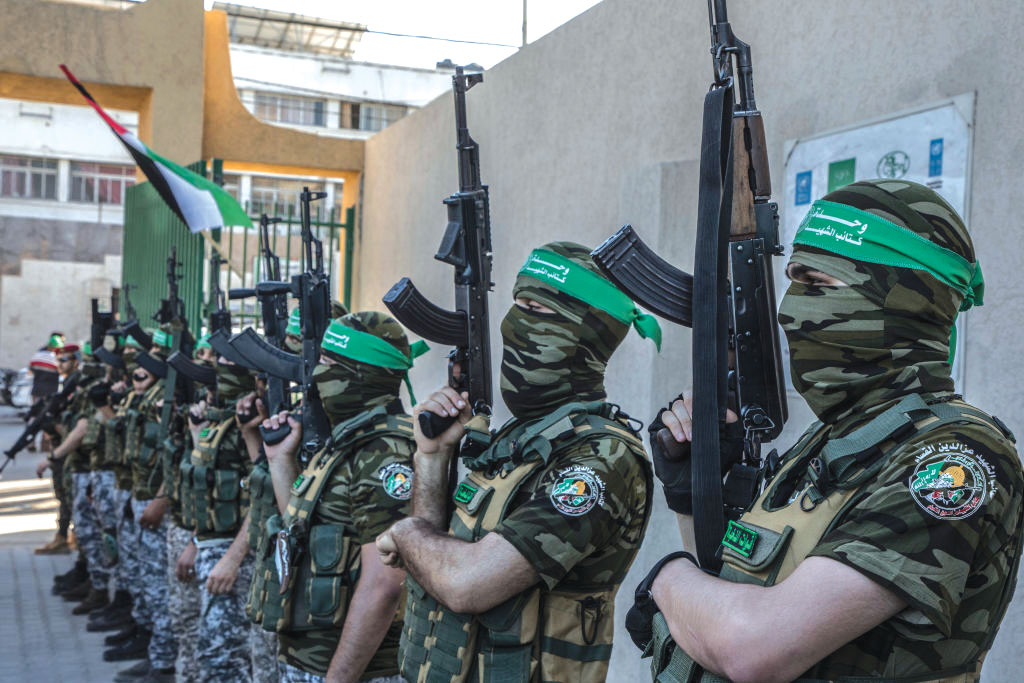
The collective assault against Israel has been so broad and deep it’s been hard finding anyone in the mainstream media who will dare go after the Hamas murderers whose biggest victims are the Palestinians.