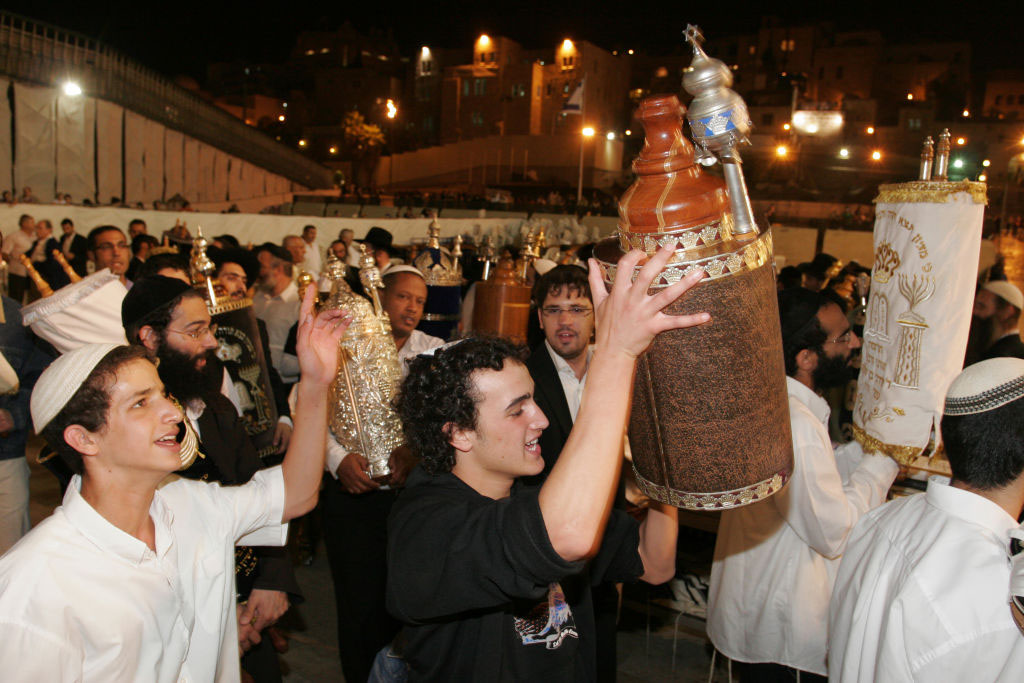
Summer in Israel used to be the peak tourist season: Ben Gurion Airport filled with passengers arriving from around the world, Tel Aviv’s restaurants buzzing with people speaking dozens of languages, beaches from the Galilee to Eilat packed with visitors soaking up the Mediterranean sun and Jerusalem’s Western Wall welcoming thousands of tourists every day.
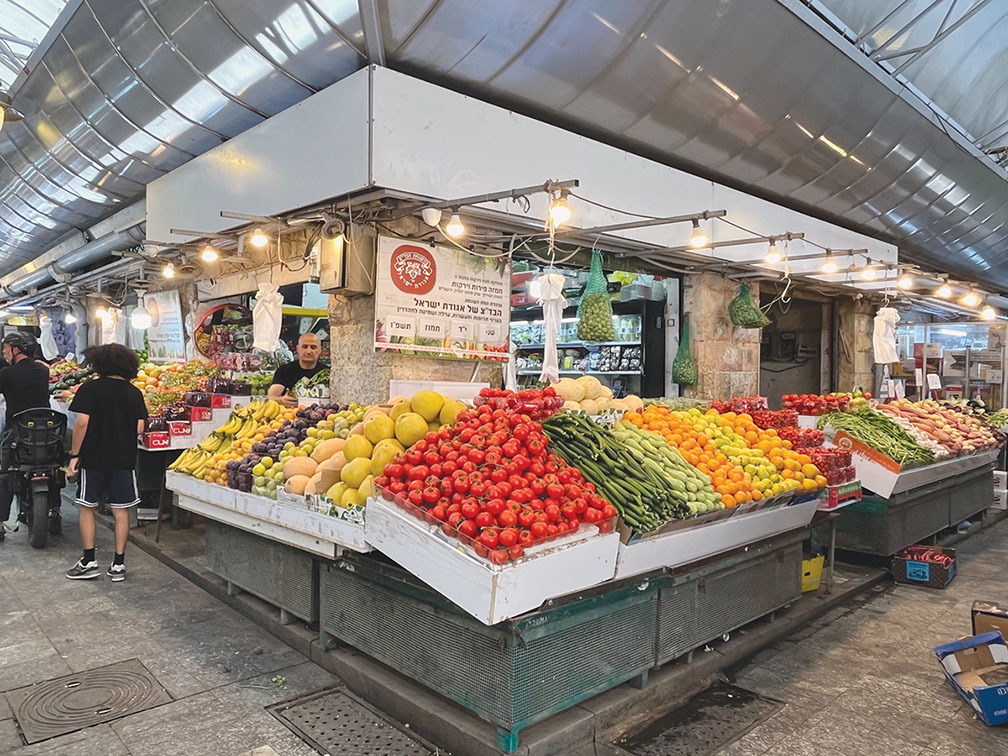
Visiting Israel this summer revealed a very different reality. Restaurants, gift shops, hotels and car rental companies have all been hit hard by the ongoing war. The blow to the economy is evident almost everywhere you go.
It began almost three years ago with the Oct. 7, 2023 attacks and continued through the war with Iran. Israel has had little opportunity to recover. Tourists have understandably chosen to vacation elsewhere rather than risk disruptions from rocket sirens or sudden military escalations. Even after a ceasefire was announced, the uncertainty has continued to discourage many travelers from booking flights to Israel.
One company, however, appears to have prospered during much of the past two-and-a-half years: El Al. As one of the few airlines that continued flying to Israel – and the only carrier maintaining direct service to and from the United States for much of the war – the airline benefited from the lack of competition. Airfares soared, and many travelers, particularly Israelis who had little choice but to fly, ended up paying thousands of dollars for a ticket.
In February 2026, Israel’s Competition Authority announced its intention to fine El Al up to 121 million shekels (about $34 million) for allegedly charging excessive and unfair prices during the war. The Authority found that after most foreign airlines suspended flights to Israel, El Al became the country’s dominant carrier, effectively holding a monopoly on many routes, and raised ticket prices by an average of 16%, with some routes seeing increases of up to 31%. El Al denied the allegations, arguing that its wartime pricing was restrained and that higher fares largely reflected last-minute bookings and unprecedented demand.
Going to Israel this summer, I booked a flight with Austrian Airlines, which was later canceled, and I was transferred to El Al. Wanting to be comfortable during the long 12-hour flight, I paid extra for a preferred seat, only to discover that El Al’s “preferred” seat was equivalent to a regular seat on every other airline I had flown.
I had also ordered a vegetarian meal, which was nowhere to be found despite having confirmed it several times before the flight. The flight attendant apologized and brought me a small salad and a small bowl of fruit instead, both unpalatable.
The process of getting through customs at Ben Gurion Airport took only minutes. On the way to visit my family in Haifa, the taxi driver gave me my first glimpse into how much tourism had changed. He told me that before the war, 35 to 40% of his customers were tourists. Today, he said, his passengers are almost exclusively Israelis.
The impact of the decline in tourism was evident throughout my visit. Walking through Jerusalem’s Old City, one of the most beautiful and colorful markets in the world, I noticed something was missing: the crowds. The narrow stone alleys were still filled with vibrant displays of spices, jewelry, textiles and religious items, but the energy had changed. Shop owners stood outside their stores, calling out to passersby and trying to lure customers inside. Feeling bad for some of them, I purchased several souvenirs for friends and family back in the United States.
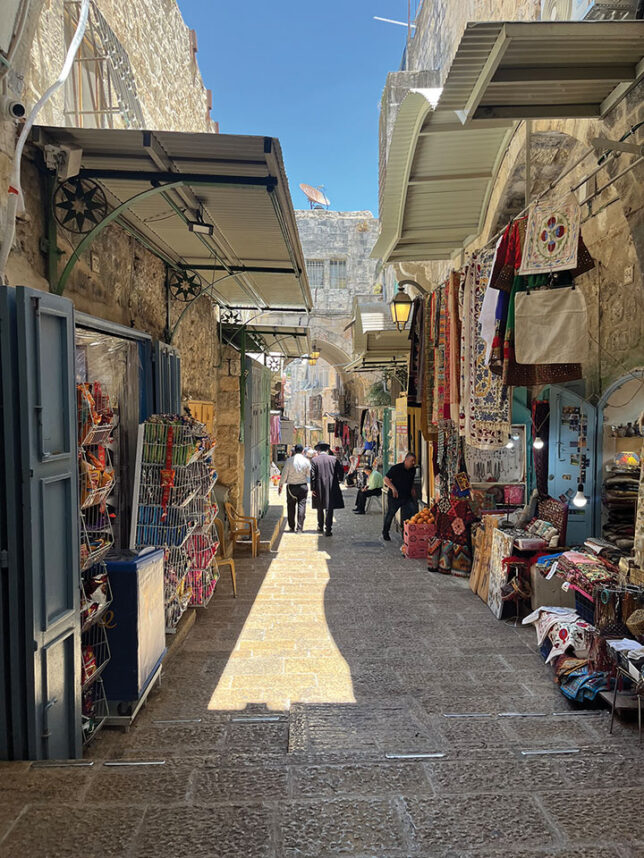
Shops in Jerusalem’s Old City awaiting customers
(Photo by Ayala Or-El)
While browsing in one shop, I spoke with an Arab store owner who sells kippahs, tablecloths and Judaica. He told me that business has been suffering for the past three years and that he is considering closing his store. “I’ve been here for 30 years, but it’s never been this hard,” he said.
I heard similar complaints in many of the places I visited – businesses that were once filled with international visitors now struggling to survive. Yet amid the decline in foreign tourism, I noticed an unexpected trend: Israelis who used to travel abroad often, have begun discovering their own country.
During my stay at the Dan Panorama Hotel in Tel Aviv, I found the hotel completely booked – all 478 rooms – for the weekend. According to the manager, nearly all of the guests were Israelis. The beaches were also filled with families, couples and friends enjoying the warm Mediterranean waters.
The return of domestic tourism reflects the Israeli spirit of trying to maintain a sense of normalcy despite the uncertainty. Israelis continue to travel within the country, dine out, spend time with family and friends and enjoy moments of everyday life. But domestic tourism alone cannot replace the millions of international visitors who once filled Israel’s hotels, restaurants, tour buses and markets. Businesses that depend on foreign tourists cannot survive on Israeli customers alone, especially after nearly three years of dramatically reduced tourism.
Beyond the economic impact, another sentiment has become increasingly difficult to ignore: exhaustion. After nearly three years of war, uncertainty and repeated disruptions to daily life, many Israelis describe feeling emotionally drained and unsure what the future holds.
While Israelis leaving the country are not a new phenomenon, the ongoing war, security concerns, and economic pressures have intensified the desire to leave. Some singles and young families have left the country to explore better opportunities abroad, looking for stability and a sense of predictability that has become harder to find at home.
Countries such as Portugal, Germany and the United States have become increasingly attractive destinations for Israelis seeking a new beginning. Some say their move is temporary, a way to find stability until the situation improves, while others acknowledge that they are making a permanent decision to build their future elsewhere.
The possibility of losing some of its younger generation is a concern Israel has faced before, but after Oct. 7 and the prolonged conflict that followed, the question many Israelis are asking is not only how to endure the current crisis – but what kind of future awaits them.
Israel has always been a country built on resilience, a place that has repeatedly rebuilt itself after wars and crises. But resilience requires more than endurance. It requires hope, stability and confidence that the future will be better than the present. For the tourism industry, for small businesses and for many Israelis wondering whether to stay or leave, rebuilding that confidence may be one of the country’s greatest challenges.