A few months ago, the Atra Center for Rabbinic Innovation released the first ever comprehensive study of the American rabbinate. The study has high points: the rabbinate is more diverse than ever, with impressive numbers from diverse communities, including LGBTQ+ communities. And it reaffirms what most of us already knew: Jewish institutions are struggling to fill rabbinic roles, particularly in congregations.
But why? The Atra study reports that among hundreds of people who seriously considered becoming rabbis but ultimately chose other paths, the most frequently cited barriers were cost, the length of training, the requirement to relocate, and concerns about the practicality of rabbinic life. In other words, many people feel called to the rabbinate, but find that the structure of rabbinic education makes that calling out of reach.
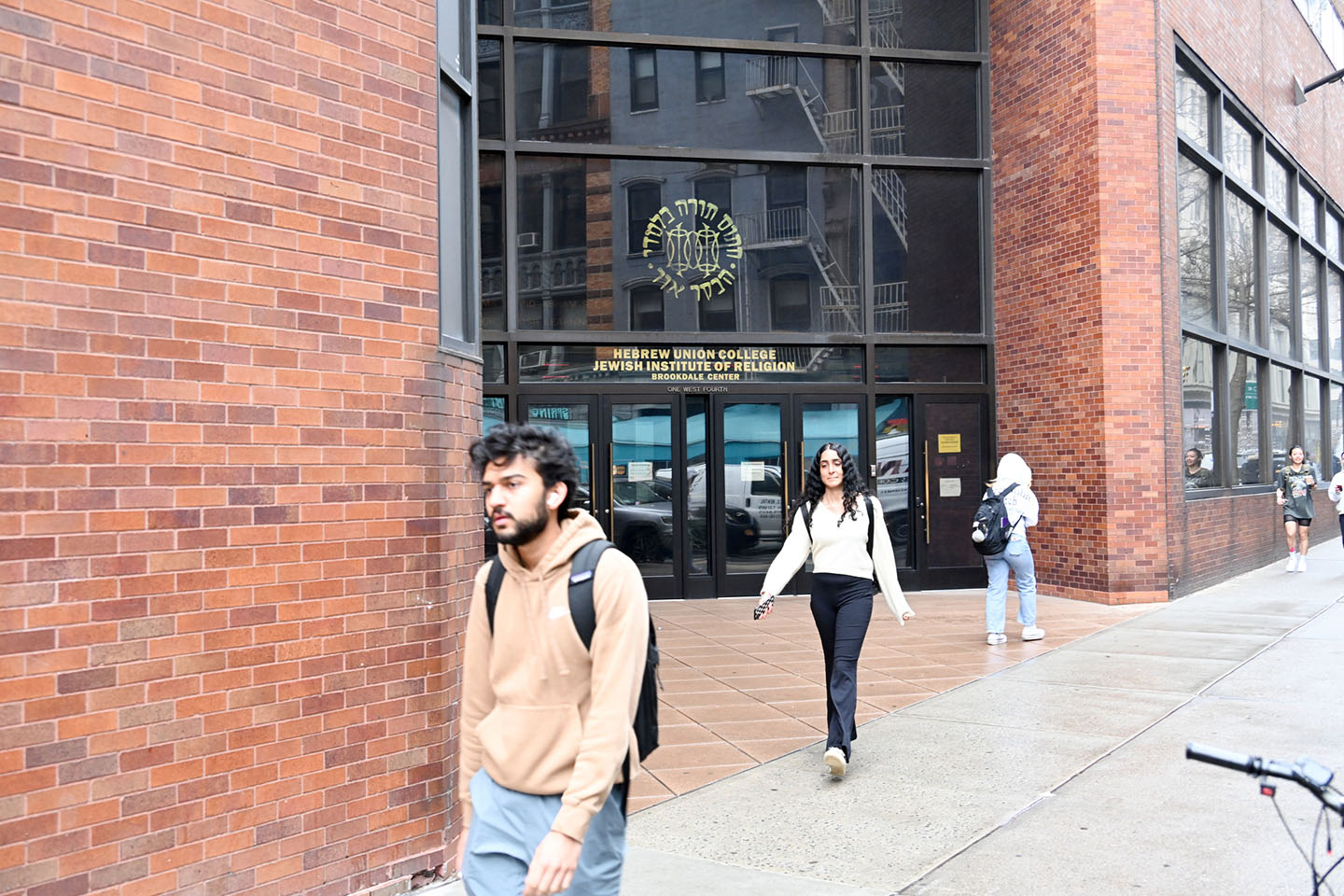
For us at Hebrew Union College, the Atra study was less illuminating than validating. Again and again, we meet second-career adults, people rooted in their communities, individuals living far from our campuses, and those serving in demanding roles, including the military, who possess the passion, talent, and commitment we seek in future rabbis. The question has never been whether these candidates belong in the rabbinate, but whether our educational models are flexible enough to welcome them.
That question led us to think differently and to act.
Launched just a year ago, our Virtual Pathway, for second career students, and the twenty-three enrolled students’ stories reflect individuals who never imagined a viable path to the rabbinate. These students come from around the country, and this is a restart as they move to a second career. They have established lives, meaningful professional work, and deep roots in their communities. For many, uprooting themselves to relocate to one of our urban residential campuses was never possible. And yet, through this pathway, they are able to join the powerful network of CCAR rabbis and URJ congregations and to engage fully in rigorous rabbinical study at Hebrew Union College.
The diversity of our students is extraordinary. One student dreamed of becoming a Reform rabbi before the Reform movement was ready to ordain women, a dream deferred for decades. One student serves in the military and balances that demanding responsibility with serious rabbinical study. Another owns a small business back home and cannot close shop, but is able to add being a virtual student to her life. These students bring gifts to the Jewish people that we did not even know we were missing.
This past month, the Virtual Pathway vision came vividly to life in New York City, where our most recent in-person intensive concluded. The intermingling was electric: virtual and campus-based students studying text shoulder to shoulder, lifting their voices together in worship, and forming relationships that transcend modality. It was a lively, sacred gathering that reminded all of us that presence is not defined by geography, but by intention, commitment, and heart.
While my colleagues are in-person with their rabbinical students, my rabbinate is about supporting, nurturing, and bringing forward the best and most passionate individuals who are called to serve as rabbis, but cannot attend classes in person. My work is about helping these extraordinary candidates bring our ancient Jewish wisdom into conversation with the innovative digital and communal environments they will inhabit as rabbis.
At a time when the Jewish world can feel uncertain and strained, investing in new models of rabbinic formation is an act of hope. Virtual pathways do not diminish the sanctity of the rabbinate; they expand it, allowing calling, talent, and leadership to be recognized in forms that may look different from the past but are no less sacred.
What we have built at Hebrew Union College is just one solution. It is one example of how institutions can think creatively to meet the needs of the Jewish community, remove barriers, and make becoming a rabbi more accessible. There is no single answer. We are still exploring new ways to support students who are balancing careers, families, communities, and other responsibilities.
I urge other leaders of rabbinical schools and Jewish institutions to do the same: to think boldly about inclusion, to expand pathways, to lower unnecessary obstacles, and to recognize that the best candidates may not fit the traditional mold. The future of Jewish leadership depends on collective creativity, collaboration, and openness to new models of education and formation.
What a gift to be able to call this my rabbinate and to play a role in nurturing these future rabbis. May we all have opportunities to recognize, cherish, and honor the gifts of our own rabbinates, and may we act boldly to ensure that all those who are called to this sacred work can answer in their own time and place.
Rabbi Dr. Karen Reiss Medwed, Ph.D., is Interim Vice Provost for Academic Affairs and Initiatives at Hebrew Union College, and Teaching Professor Emerita of Northeastern University