Last week, the Blue Square Alliance Against Hate, founded by billionaire businessman and New England Patriots Owner Robert Kraft, showed the bridge-building work its actively doing on the ground.
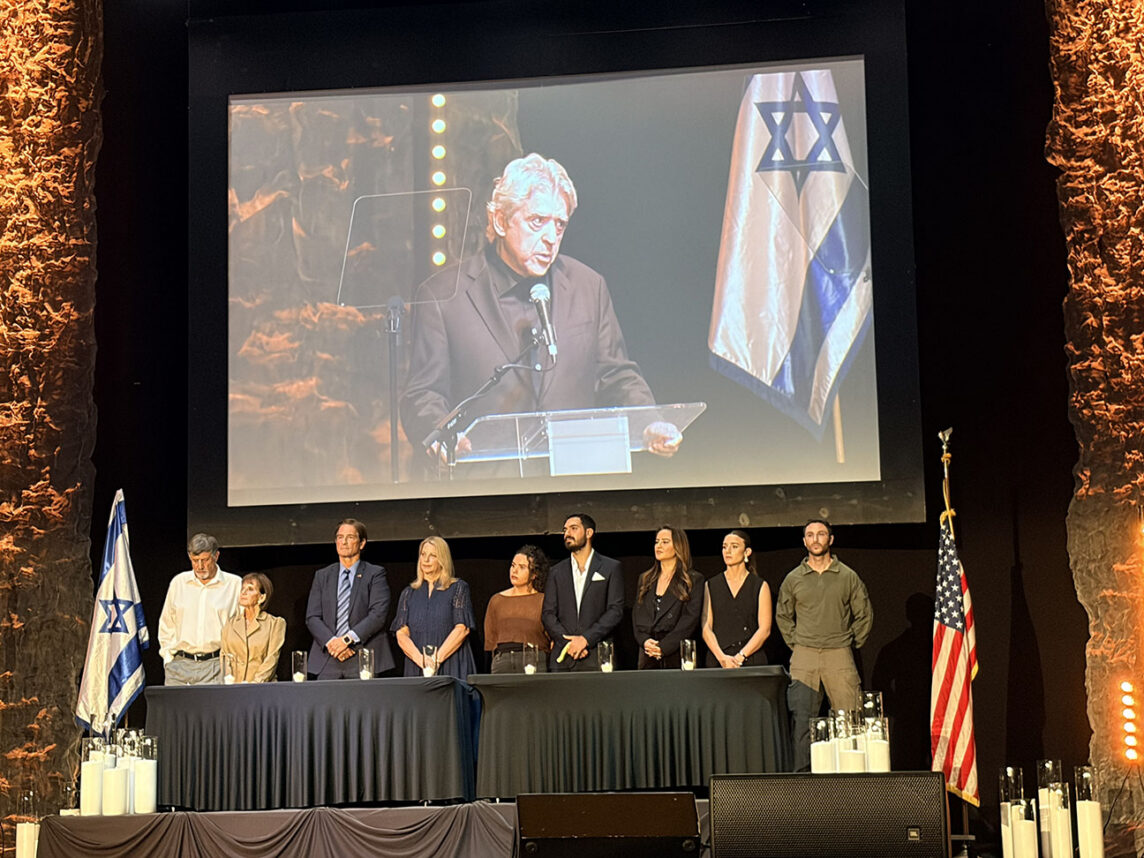
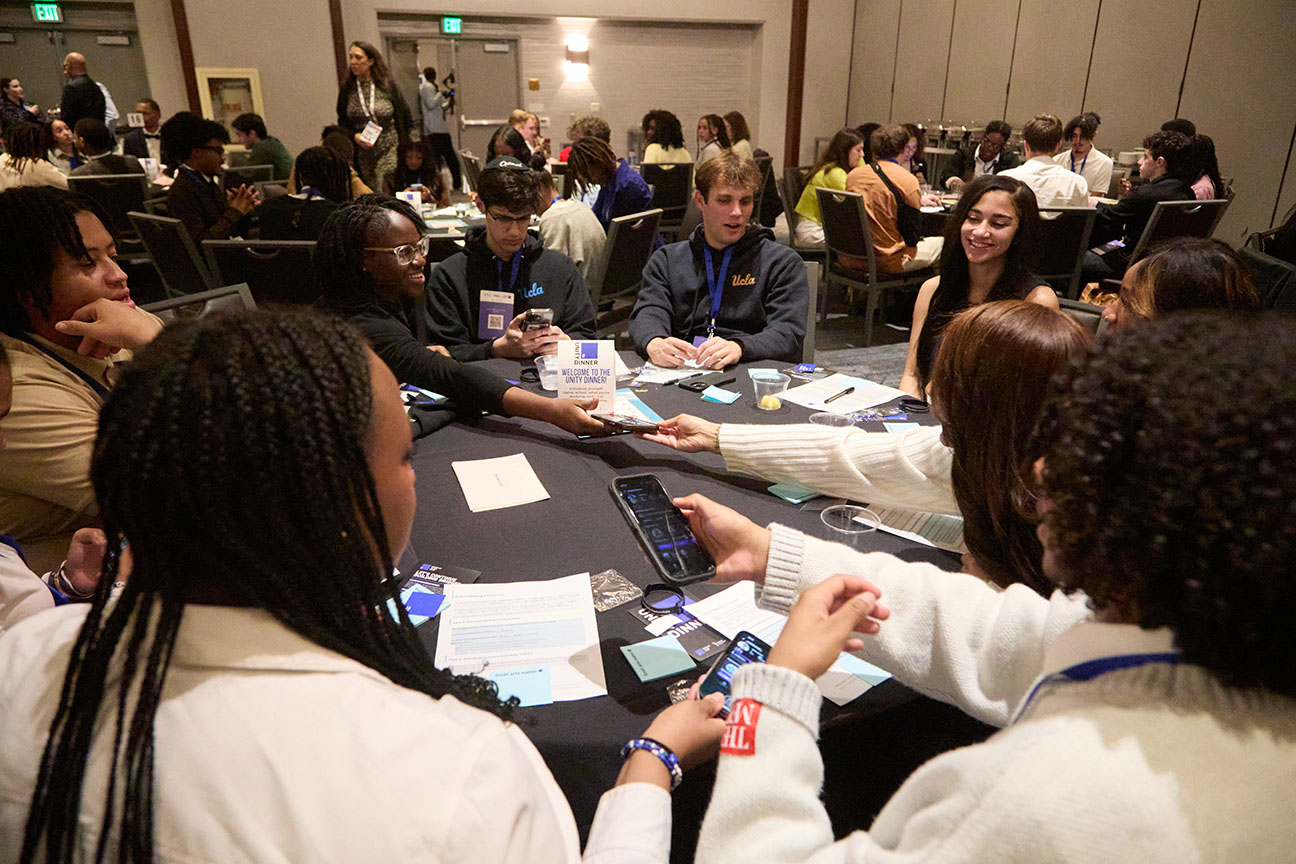
On Feb. 11, the group—known for the blue squares it promotes on social media and formerly known as the Foundation to Combat Antisemitism—held a “Unity Dinner” in Los Angeles, bringing together Jewish and Black college students for meaningful discussion and dialogue.
The feel-good gathering, held at the Renaissance Hotel near LAX Airport and co-organized by United Negro College Fund and Hillel International, drew approximately 130 students. It was held ahead of the 2026 HBCU Classic, which was part of the recent NBA All-Star Weekend.
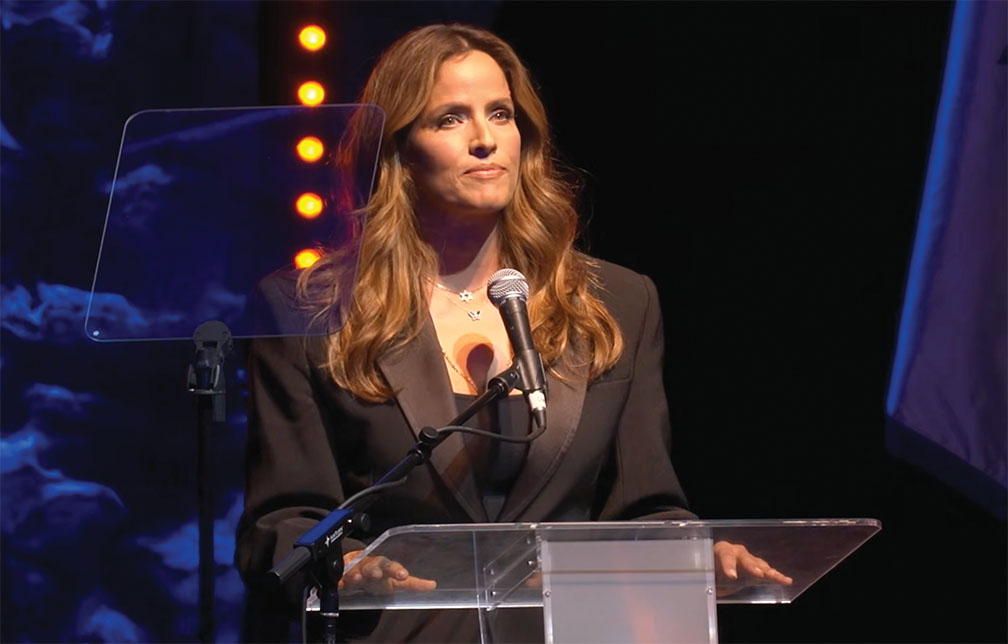
Appropriately, the dinner in Los Angeles held two days before the HBCU Classic, a college basketball matchup between two Historically Black Colleges and Universities (HBCUs), featured a surprise appearance by NBA star Chris Paul as well as two guest speakers: Karen Russell, daughter of NBA great Bill Russell; and Randy Auerbach, daughter of legendary NBA coach Red Auerbach.
But it was the less-famous attendees on Wednesday evening that showed what the Blue Square Alliance’s work—and their ongoing “Unity Dinner” series—is all about.
The “Unity Dinner” dinner, according to Blue Square Alliance leadership, is part of a nationwide program meant to address the rise in antisemitism, widespread anti-Black racism and division that has manifested on college campuses. The dinners, a Blue Square Alliance spokesperson told the Journal, often coincide with “Major sports moments,” like the NBA All-Star Game.
“Unity Dinners serve as a model for how different groups can come together to address hate and division,” Adam Katz, president of the Blue Square Alliance Against Hate, said in a statement. “There is a rich history between Black and Jewish Americans, marked by decades of mutual support and collaboration. By establishing a dialogue and bringing the two communities together, we will continue to find common ground, build empathy, lift up the next generation of leaders, and stand together against hate.”
In attendance at the Los Angeles dinner were Jewish student leaders from L.A.-area campus Hillels. Among them were Beach Hillel, which connects Jewish students in the Long Beach area; USC Hillel; and Hillel at UCLA.
Meanwhile, the Black students were from HBCUs, including North Carolina A&T and Hampton University. Some were involved with their HBCU’s cheer squad. Others were part of the school bands at their HBCUs that would be playing at the HBCU Classic that week.
Seated on Wednesday night at banquet-style tables, the students were given discussion cards with prompts to facilitate conversation. Examples of questions included “What do you wish people who aren’t a part of your identity group knew about your community?” and “In what ways does your personal identity that brought you here today nourish you and/or shape your leadership on campus?”
Some of the discussion was intensely serious—at one table, conversation veered toward comparing the traumas of the Holocaust and slavery.
But other groups opted for lighter topics: the Journal sat at a table with approximately 12 students—some Jewish, some Black—and listened as they talked about their passions, including cheerleading, music, computers, baking and cars.
Noticeably, the topic of Israel was largely absent from the conversations between students. A representative of Hillel International, the largest Jewish campus organization in the world, told the Journal this wasn’t a surprise—that in her experience facilitating these dinners there was often more disagreement about Israel among Jewish students than there was between Jewish and Black students.
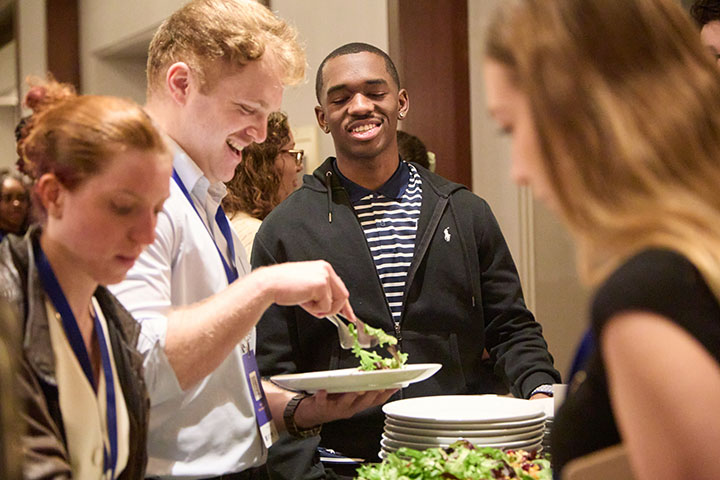
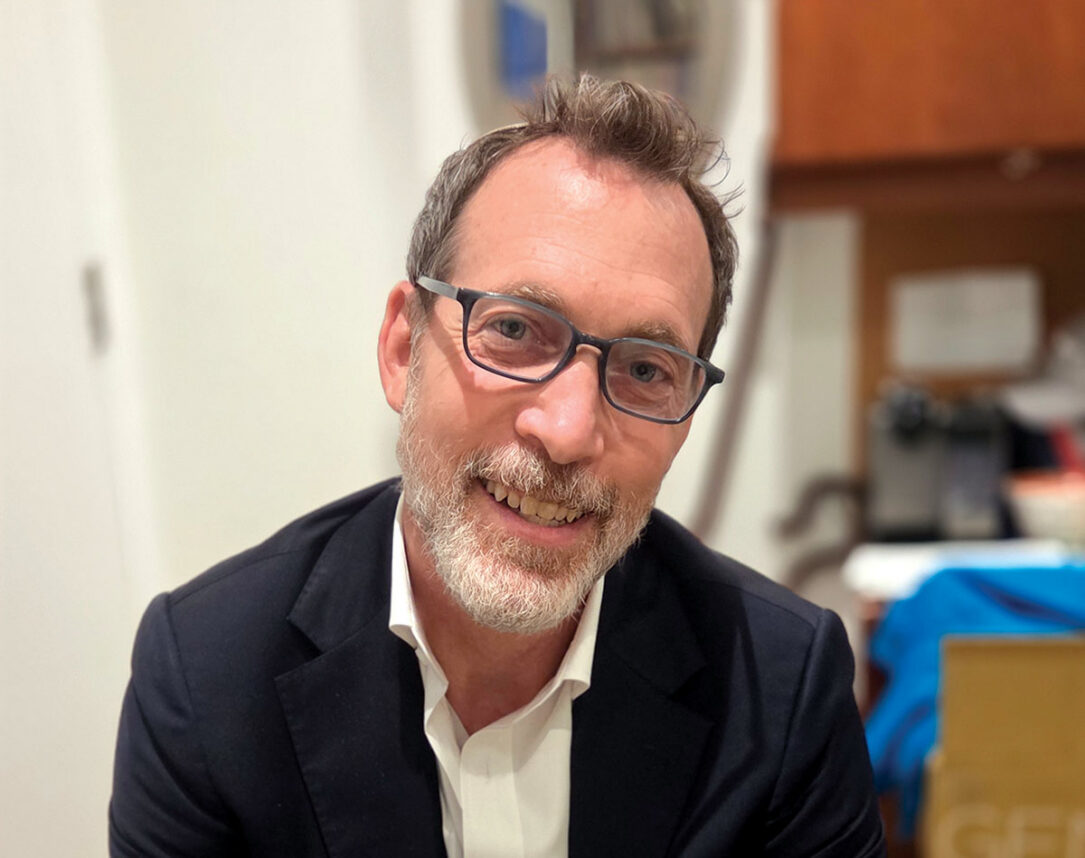
Among those who turned out on Wednesday evening was Ben, a 23-year-old student from California State University, Long Beach. Ben learned of the event through his campus’ Hillel and was excited about the opportunity to spend an evening breaking bread with students he wouldn’t normally meet, though he was skeptical the evening would accomplish much. In fact, while his group was given a series of questions to address, he found that the most rewarding moments were when they went off script.
“A big part of us getting to know each other was making jokes and laughing,” Ben, who is currently studying toward a master’s degree in aerospace engineering, told me.
Some of the facilitated dialogue between Jewish and black students felt “performative,” Ben said. But ultimately, he admitted, he walked away feeling “We’re not that different.”
For the Blue Square Alliance, which was founded to inspire Americans to become active allies in the fight against antisemitism and other forms of hate, Ben’s gradual realization over the course of the evening was precisely the aim—to break down barriers and unite students and others in their common humanity.
In other words, mission accomplished.