
Tisha B’Av is one of the two major fast days of the Jewish year. Whereas Yom Kippur is about atoning for your sins, Tisha B’Av’s focus is on mourning and repentance.
“Preparing for the fast forces me to place focus on eating mindfully and with purpose, with a longer-term outcome in mind, rather than merely eating to satisfy the moment.”
– Michael Tanenbaum
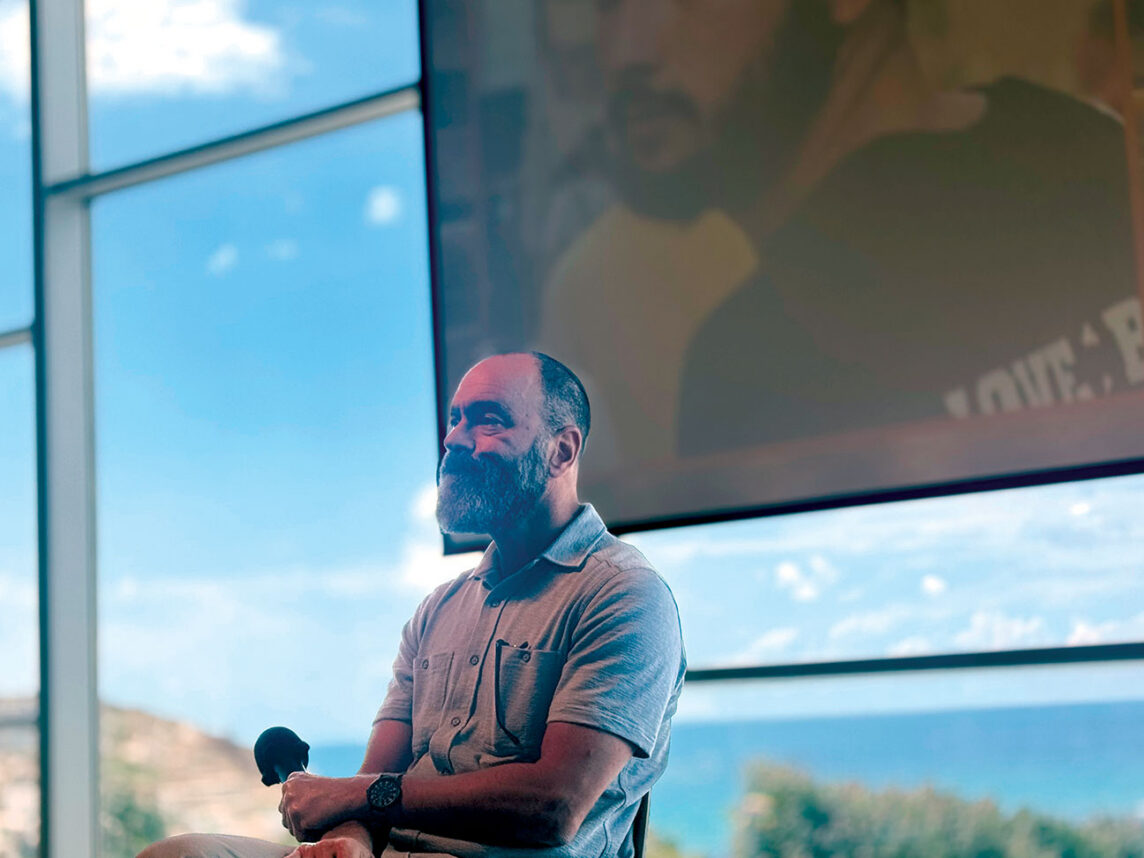
“As Tisha B’Av commemorates the many catastrophes that have befallen the Jewish people, it enables me to meditate on those past events, visualize what our forebears experienced during the Second Temple period and the expulsion from Spain,” Michael Tanenbaum, founder of the website Consciously Kosher, told the Journal. “Preparing for the fast forces me to place focus on eating mindfully and with purpose, with a longer-term outcome in mind, rather than merely eating to satisfy the moment.”

Photo by Sofia Tanenbaum
Immediately following the nine days, Tisha B’Av commemorates the destruction of the First and Second Holy Temples in Jerusalem, along with many other tragic events that happened throughout Jewish history on this day. This year, Tisha B’Av starts at sundown on Saturday, August 6, and continues until nightfall (halachically later than sundown) on Sunday, August 7. Since Judaism emphasizes health, it’s important to consult with a rabbi and medical professional about fasting, especially if you have a medical condition, including an eating disorder, or you’re a pregnant or breastfeeding woman.
Shortly before the fast begins, there is a “separation meal” consisting of a piece of bread and a hard-boiled egg dipped in ashes. It follows a larger meal eaten a bit earlier. This final meal before the fast is eaten while sitting on the floor or a low stool.
To help make the fast easier, Tanenbaum, whose mission at Consciously Kosher is to assist busy people in the kosher food community live their healthiest possible life, offered some tips.
Tanenbaum recommends:
- Weaning from salty, sugary and fat-containing processed foods, as well as caffeine and soda, as they have a diuretic effect
Eating the right foods, such as fiber, complex carbohydrates and some protein, in moderation - Drinking the right liquids, like water and electrolytes, also in moderation
- Avoiding excess sodium (although some is necessary)
- Pacing yourself when you eat. For instance, chew your food thoroughly and don’t rush
Tanenbaum’s typical separation meal is a variation on the following:
- Wild salmon
- Baked sweet potatoes
- Quinoa
- Salad with homemade dressing (oil and vinegar)
- Organic grapes
- Cashew yogurt
- Chia seeds soaked in water
“Chia absorbs 20 times [its] volume in water and slows the release of your meal’s carbohydrates into sugar,” he said. “It curbs dehydration and keeps you full longer.”
Plus, chia seeds are high in Omega-3 fatty acids and contain tons of antioxidants, protein, calcium, iron, potassium and vitamins A, B, D and E.
Whereas many people break their fasts with sugar, carbs and processed ingredients, like cake, bagels and lox, kugel, orange juice and foods smothered in mayo, that’s not the best way to go.
“Breaking a fast after more than 25 hours is not the same as having breakfast after eight to 10 hours of not eating overnight,” Tanenbaum said. “The enzymes that your digestive system produces have reduced. Until your digestive enzymes ramp up again, eating a huge meal could cause bloating, stomach pains, nausea and other digestive problems. Plus, you’ll likely spike your blood sugar.”
To properly break a fast, rehydrate with water or a clear electrolyte drink, eat small portions and avoid foods that will spike your blood sugar.
The post-fast meal resembles the meal pre-fast:
• Start with a glass of water or coconut water (not juice)
• Enjoy a few small pieces of your favorite fruit, such as watermelon, cantaloupe or grapes
• Eat a small amount of protein, such as salmon filet, some high-quality canned tuna or a hard-boiled egg (halachically, avoiding meat until midday on the 10th of Av is customary)
• For vegans, have a scoop or two of quinoa, lentil soup or pasta
• Include some healthy fats, such as almond butter, avocado or nuts, such as cashews
• Be sure to have some fiber and complex carbs: salad with leafy greens, cucumbers and other veggies dressed with olive oil and apple cider (avoid the store-bought dressings)
• Have foods with probiotics (like yogurt)
• For additional hydration, have some more chia seeds soaked in water
“For a treat, incorporate a special fruit or healthy food into your post-fast routine,” Tanenbaum, who has a certification in culinary nutrition, said. “This is also a great way to get your older kids involved in the fasting process. You can choose a special food together.”
Select a special fruit that’s in-season, such as a melon, a watermelon or a new variety of grapes, and buy it a couple days ahead of time. Another option is to find a healthy version of your favorite pretzel, cracker or puffed snack. It gives you something to look forward to eating after the fast.
“When you target a special post-fast reward, you will be excited about eating something healthy, rather than dreaming about junk food during your fast,” Tanenbaum said.