
Did lucky mud produce primordial ooze
from which we all evolved, or was divine
design behind creation? If you choose
the latter, must you be prepared to sign
away your right to disbelieve the data
supporting the Darwinian point of view,
in case the Lord considers this a matter
concerning which He’s quite prepared to sue?
The blessing Jews must make on seeing
monkeys, is this problem’s solution.
God changes every living being
in the process we call “evolution,”
a process in which, being most creative,
reality transforms His divine dreams,
which are not doomed to die or even date if
they sink like lucky mud beneath clear streams.
Berakhot 58b states:
תָּנוּ רַבָּנַן: הָרוֹאָה פִּיל, קוֹף וְקִפֹוף, אוֹמֵר: ״בָּרוּךְ … מְשַׁנֶּה אֶת הַבְּרִיּוֹת״. רָאָה בְּרִיּוֹת טוֹבוֹת, וְאִילָנוֹת טוֹבוֹת, אוֹמֵר: ״בָּרוּךְ … שֶׁכָּכָה לוֹ בְּעוֹלָמוֹ״.
The Sages taught: One who sees an elephant, a monkey, or a vulture (Rashi) recites: Blessed…Who makes creatures different.
One who saw beautiful or otherwise outstanding creatures or beautiful trees recites: Blessed…Who has such things in His world.
In “Out of sheer intention: Writing about others as a means to write about yourself,” TLS, 4/17/26, Catherine Taylor, reviewing
My Year in Paris with Gertrude Stein by Deborah Levy, writes:
Deborah Levy loves to write about water as an element both ruinous and reviving. The action of her novel Swimming Home (2011) takes place around the pool of a rented villa in France; a beach in southern Spain provides the backdrop to the Grand Guignol scenes of Hot Milk (2016). In the titular short story of her collection Black Vodka (2013), a character confides: “There’s something about rain that makes me slam the doors of cabs extra hard. I love the rain. It heightens every gesture, injects it with 5ml of unspecific yearning”. In Paris, Levy’s unnamed narrator treks in a downpour to the vast Pére-Lachaise cemetery in search of the grave of the impossible-to-write-about Stein. Unable to find it, she returns soaking wet to her studio flat in the fifth arrondissement – a place of kilim rugs, unwanted mice and, as the months move into spring, vast bunches of glowing mimosa. This literary deliquescence is perfect for a book about a shapeshifter such as Stein: a woman for whom convention was anathema to happiness, who stated: “my writing is clear as mud, but mud settles and clear streams run on and disappear”.
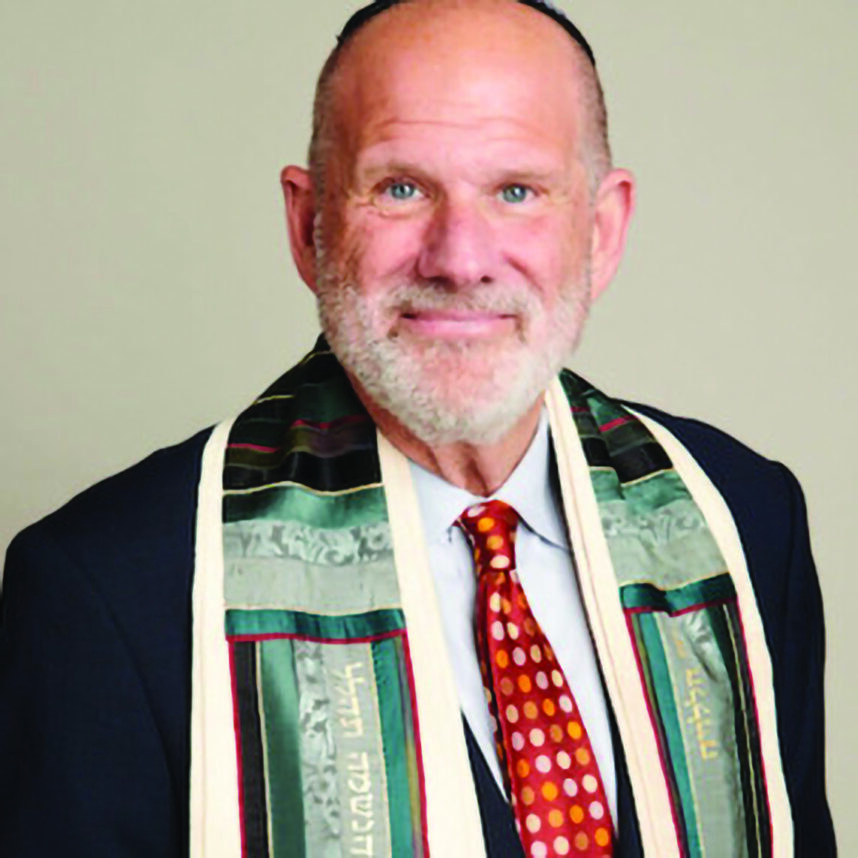
Gershon Hepner is a poet who has written over 25,000 poems on subjects ranging from music to literature, politics to Torah. He grew up in England and moved to Los Angeles in 1976. Using his varied interests and experiences, he has authored dozens of papers in medical and academic journals, and authored “Legal Friction: Law, Narrative, and Identity Politics in Biblical Israel.” He can be reached at gershonhepner@gmail.com.