Antisemitism in Spain has been rising sharply in recent years, with a notable increase in reported incidents and growing concern among the local Jewish community. What is increasingly evident is not only a rise in hostile rhetoric — often framed as political criticism of Israel but crossing into antisemitic harassment and intimidation. Israeli tourists have been directly affected. Earlier this year, in February, three elderly Israeli women, one of them a Holocaust survivor, visited Madrid’s Reina Sofía National Museum of Art.
Soon after, they were verbally attacked by other visitors who identified them as Israelis because they were wearing Star of David necklaces and other Israeli symbols, including the Israeli flag. They were called “baby killers” and other antisemitic insults. Instead of protecting them, the museum’s security chose to remove the women from the premises, a decision that sparked public outrage and legal proceedings.
In a separate incident in Barcelona, Israeli mural artist Dudi Shoval, 34, was invited by a local Jewish organization to contribute a public mural project aimed at responding to antisemitism in the city’s public space. Upon arriving, he described being struck by the quantity of anti-Israel graffiti across the city. While painting a large Star of David on a wall as part of his work, a group of migrants approached him aggressively, shouting, “What do you think you’re doing here?” The situation escalated rapidly; as Shoval and his team began to step away to avoid confrontation, one of the men reportedly approached him holding a glass bottle, then turned toward a nearby photographer and struck him on the head with it. A physical altercation followed, after which the mural was later defaced and painted over. The incident, along with others, reflects a growing sense of tension surrounding visible Jewish and Israeli expression in parts of Spain’s public sphere.
The hostility toward Israel in Spain has become so strong that in December 2025, Spain announced its withdrawal from the Eurovision Song Contest after the European Broadcasting Union decided to allow Israel to remain in the competition.
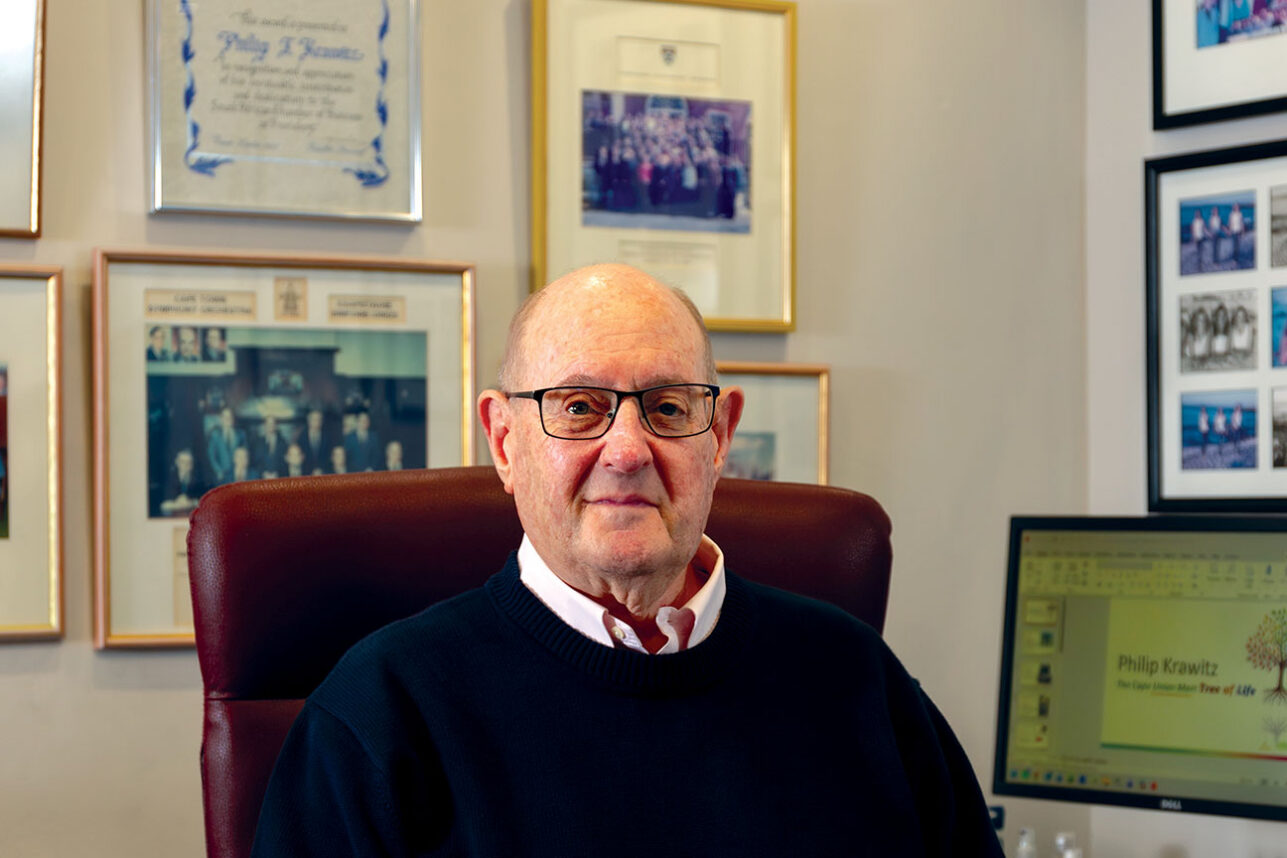
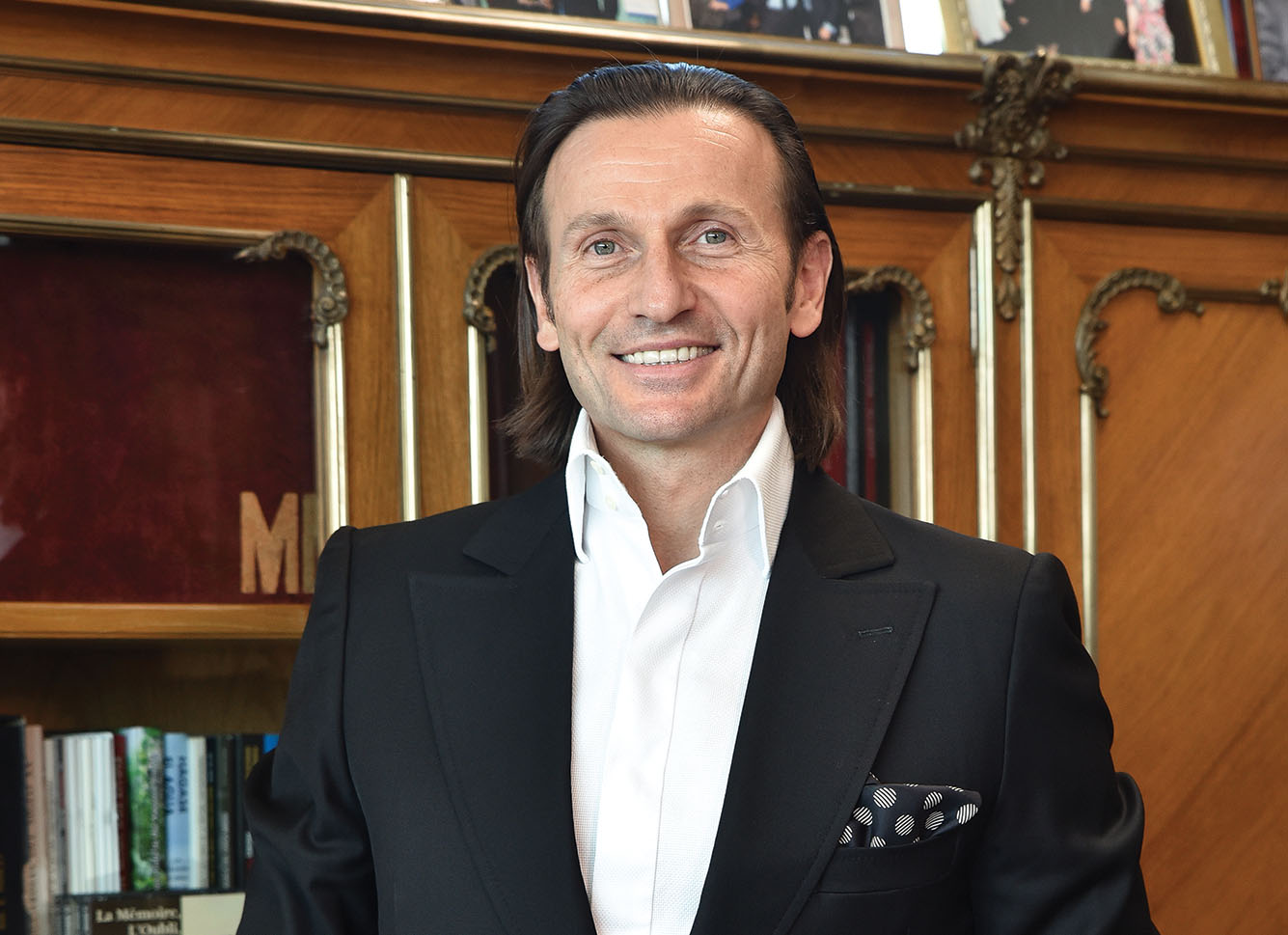
David Hatchwell Altaras, former president of the Jewish Community of Madrid and chairman of the Fundación HispanoJudía – which is dedicated to building bridges between the Spanish-speaking and the Jewish world – is working to change that reality. At a moment when antisemitism in Spain has surged amid heated political rhetoric and global conflict, Hatchwell believes the most powerful response is not silence or retreat, but education. The museum, he says, is designed as a cultural and emotional journey — one that restores visibility to 1,000 years of Jewish life in Spain, from the Golden Age of Sepharad through the trauma of the Inquisition and expulsion, and into the modern return of Jewish life to the country. Beyond history, the project carries a contemporary desire: to challenge distortion, counter prejudice, and rebuild understanding between Jewish and Spanish identities through knowledge, memory and presence.
Spain long saw itself as a country that had confronted the legacy of antisemitism, formally adopting the IHRA definition in 2020 and incorporating Holocaust education into its public institutions. But since Oct. 7, 2023, the climate has shifted sharply. Incidents of antisemitism have surged — rising by more than 300% in 2024 compared to the previous year, according to Spain’s Observatory of Antisemitism. For Spain’s small Jewish community, estimated at roughly 40–45,000 people (some believe it to be far less), the change is not only statistical but perceptible in daily life.
Hatchwell’s family, like many with Sephardic Jewish lineages, traces its roots back to Spain before the Inquisition, when Jews were expelled in 1492 under the Alhambra Decree. Branches of the family — Hatchwell and Toledano — settled primarily in northern Africa, in what is today Morocco. The names themselves preserve fragments of that journey: Hatchwell linked to the Hebrew “Hagoel,” and Toledano tied to the city of Toledo.
His parents were born in Casablanca, in French-speaking Morocco. In 1964, they relocated to Madrid. His sister was born a year later, followed by Hatchwell in 1968, and his brother in 1970. “When my parents came to Spain, it was a very different moment,” he reflected. “There was almost no visible Jewish life in the way people understand it today.”
What he encountered growing up was a community that had largely dissolved into assimilation over centuries of absence. “Before the expulsion of the Jews, they were estimated to make up roughly 8% of the population,” said Hatchwell. “Following persecution and the expulsion, about half of them left the country, while the ones that remained converted or assimilated and effectively all Jewish identity in Spain was dissolved.”
Unfortunately, most Spanish people today are completely unaware of this. It’s not something largely taught in schools. “What Spanish people know about Jews and Israel is what they hear from the government and the media, and it’s not positive,” Hatchwell said. “We are living a moment where we are confronted with an extremely problematic government that is slowly [poisoning] the population against Israel.”
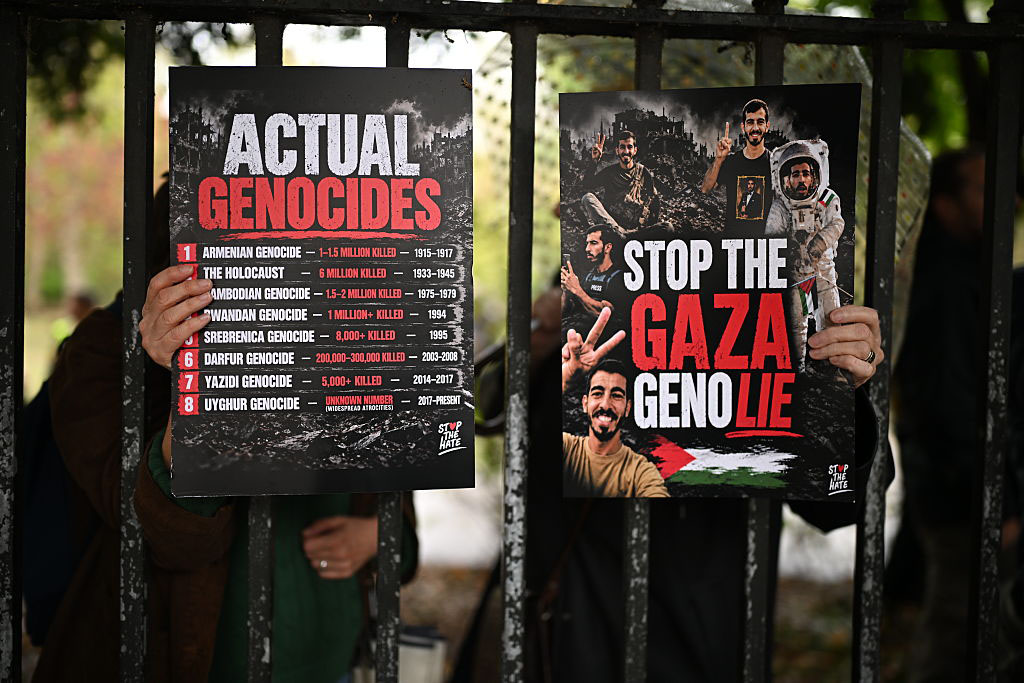
“If you ask 80% of people in Spain whether Israel committed genocide in Gaza, they will say yes, but they would have no idea what you’re talking about if you mention Rwanda or Darfur,” he added. “The prevailing narrative is that Israel committed genocide — and by extension, the Jews.”
Hatchwell hopes to address these misconceptions through a Jewish museum in Madrid, an idea he began developing a decade ago when he served as president of the Jewish community. The goal was to restore awareness of Jewish history in Spain and counter stereotypes. While he did not experience much antisemitism growing up, he says it is now increasingly visible.
“Until now, we were not in that game — and you can’t win a game if you’re not playing it,” he said. “Jewish communities were focused elsewhere, while Israel was fighting for survival. Now there is growing understanding that the media front is critical.”
The museum is located in Barrio de Salamanca, Madrid’s most expensive district, and is entirely privately funded. It includes board members from around the world. The 30,000-square-foot museum will include temporary exhibitions and a permanent collection divided into four galleries.
“The first gallery is the history of the Jewish people from Abraham Avinu to the modern State of Israel,” he said. “The second is the Hispanic Jewish journey.” This concept shifts the framing from “Sephardic” to “Hispanic Jewish,” emphasizing shared cultural experience across the Spanish-speaking world.
A third gallery will focus on shared Judeo-Christian values such as human dignity, environmental ethics, and minority rights. The fourth will focus on modern Jewish life and Israel as a central pillar of identity.
For Hatchwell, the museum is about recovering history and redefining identity across generations. “So we decided it’s not a Sephardic museum — it’s a Hispanic Jewish museum.”
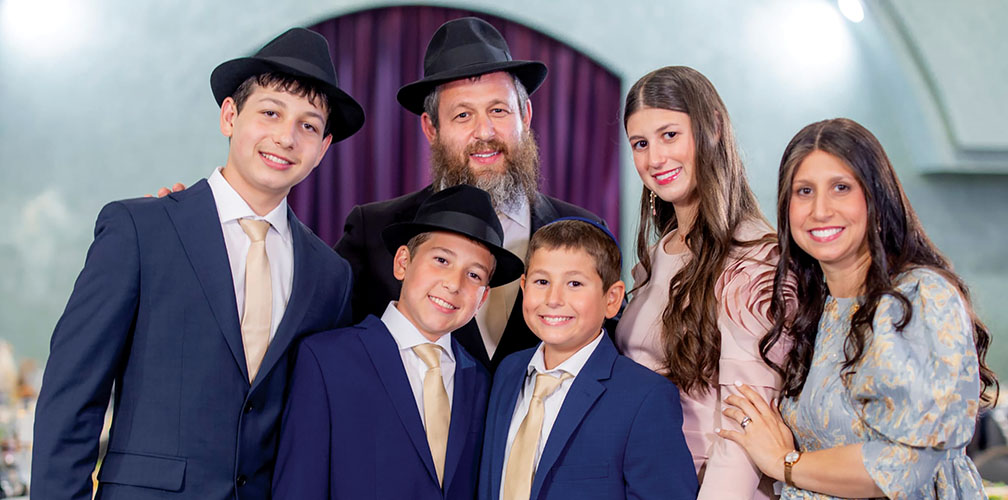
Hatchwell is married to Natalia, whom he met when she was 18. “She is a Jew by choice,” he said. Together they have three children with Hebrew names: Yavne, Dayan and Magen. “We wanted them to have powerful names connected to our history,” he said.
For Hatchwell, the names reflect not only heritage but continuity and pride in Jewish life in Spain today.