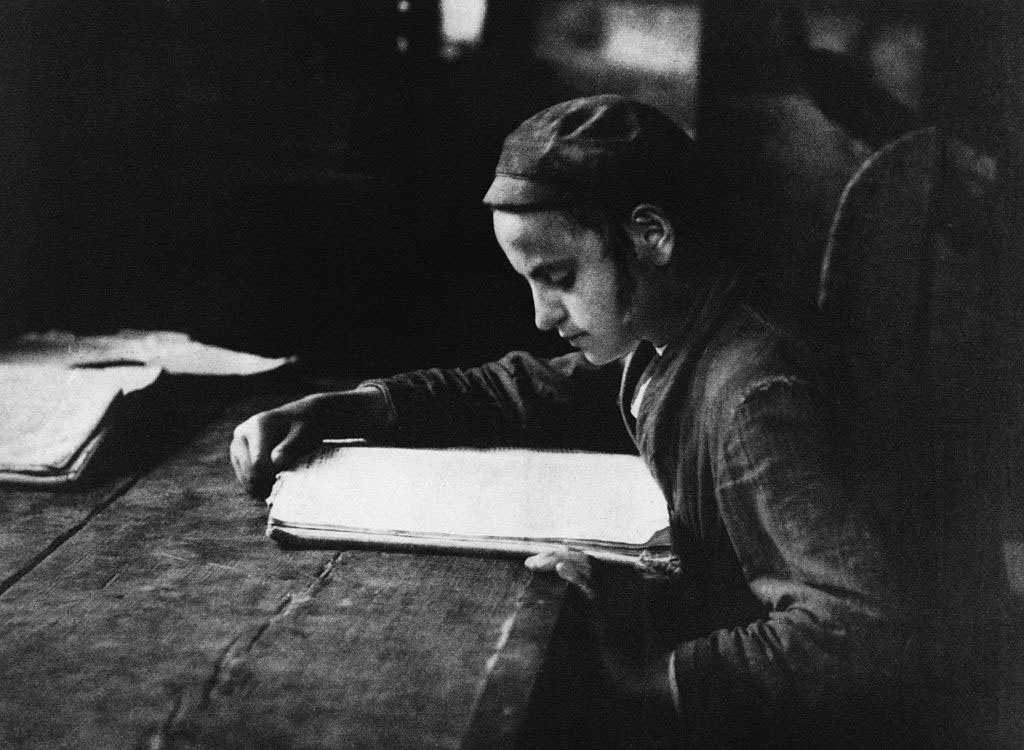

In Los Angeles, two seemingly distinct crises are converging to reshape the Jewish community: an acute housing affordability crisis and the escalating cost of Jewish day school education. Both function as powerful gatekeepers, favoring families with established generational wealth while pricing out the middle class. Without systemic intervention, this dangerous dynamic risks creating a stratified Jewish future in LA, one where strong Jewish identity, Hebrew fluency, Israel engagement and communal continuity become luxuries reserved for the already affluent.
Los Angeles stands at the center of California’s housing woes. Median home prices far exceed national averages, with mid-tier homes around $1M or more in recent data, and ownership requiring incomes that elude most first-time buyers. Rents, while dipping slightly to medians around $2,200–$2,500 for apartments in 2026, still consume over 50% of income for many “rent-burdened” households. Moreover, young professionals and families face brutal trade-offs: long commutes, multi-generational living or leaving the city entirely. Homeownership, once a cornerstone of the American Dream and Jewish middle-class stability, now often demands family gifts for down payments. Jewish education mirrors this exclusionary pressure. Day school tuitions in LA routinely range from $20,000 to over $57,000 per child annually, depending on the institution and grade. Schools like Milken Community School charge around $57,450 for 2026-27, Sinai Akiba exceeds $37,000–$41,000, and others fall in the $20,000–$35,000 range for elementary and middle school. Add fees for security, trips, books and activities, and the burden compounds. For a family with two or three children, a common scenario in observant or committed Jewish households, this can surpass $50,000–$100,000 yearly, rivaling or exceeding college costs.
Like housing, these costs have risen faster than wages. Inflation-adjusted increases over decades, combined with high operational expenses (security, specialized Jewish studies faculty, small classes), push tuitions upward even as many schools offer financial aid. Reports highlight that nearly 40% of families at some prominent schools receive assistance, signaling broad strain. The parallels run deeper. Both crises exacerbate intergenerational inequality. In housing, baby boomers and earlier generations who bought decades ago built substantial equity, passing advantages to children via gifts or inheritance. Newer arrivals, converts or those from modest backgrounds, especially in a diverse LA Jewish community, start from zero. Similarly, Jewish education’s high barriers mean that families without wealth transmit thinner Jewish identities. Public schools or supplementary programs rarely replicate the immersive Hebrew, Torah, holidays and Israel curriculum of day schools.
It should come as no surprise that this threatens core outcomes. Jewish day schools and summer camps are proven incubators of identity and attachment to Israel. Students gain literacy in texts, history and language that foster lifelong engagement. Surveys and educators consistently link day school experiences to stronger communal ties, higher rates of Israel advocacy and visitation and resilience against assimilation. In an era of rising antisemitism and complex geopolitics, these connections matter profoundly. A 2021 LA Jewish study underscores the community’s size – over 560,000 Jews – but also its diversity and economic divides. Pricing out the middle risks hollowing out the vibrant, engaged center.
The result is a de facto gatekeeping: Jewish continuity becomes hereditary wealth’s domain. Established families sustain traditions across generations; others face diluted identities, intermarriage pressures or disconnection from Israel. Teachers in these schools, ironically, often cannot afford LA housing themselves, creating retention crises that further strain the system. Solutions exist but demand creativity. Endowments, communal scholarships, income-based sliding scales and partnerships (like those from Builders of Jewish Education) help, yet remain insufficient. Broader advocacy for housing supply including significantly more housing units, a revision of longstanding exclusionary zoning policies and streamlined permitting could ease family budgets overall. Jewish philanthropy might prioritize education endowments modeled on long-standing secular private schools. Synagogues and federations could explore cooperatives or regional models. Los Angeles’ Jewish community, the second-largest in the U.S., stands at a crossroads. Treating education costs and housing as parallel crises reveals a unified threat to demographic and cultural vitality. Without bold action including subsidies, innovation and investment, the Jewish future here will not reflect the full tapestry of talent, commitment, and diversity that has defined it. Strong Jewish identity and attachment to Israel cannot be luxuries; they must remain accessible pathways for all who seek them. The alternative is a community divided by wealth, where heritage itself is gated.
Lisa Ansell is the Associate Director of the USC Casden Institute and Lecturer of Hebrew Language at Hebrew Union College-Jewish Institute of Religion Los Angeles.