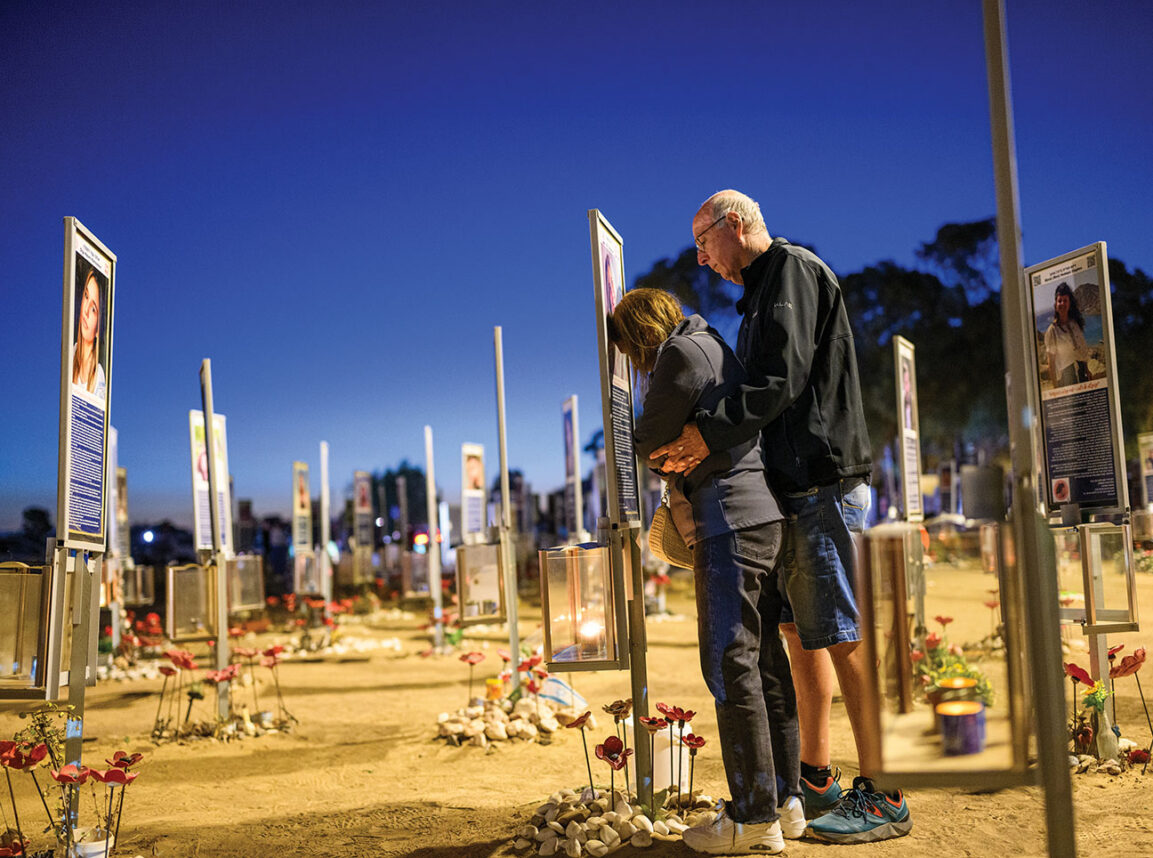
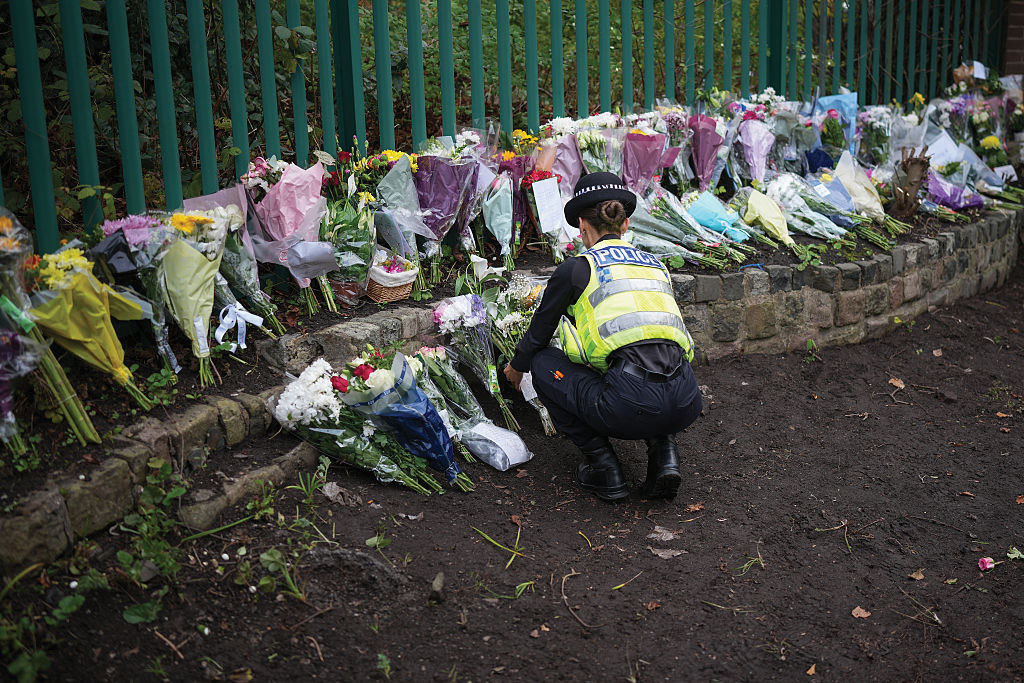
My friends and family are in shock. The Islamic terror attack on Yom Kippur left two people dead and three injured at the Heaton Park synagogue in Manchester, England. The attacker was a man named Jihad. A question being asked by so many British Jews is: “Should we stay in Britain?“ Personally, I think things are going to turn around and I’m optimistic about the future for Anglo-Jewry.
This is a difficult time. I’m currently in Los Angeles and still reeling about the news from home. There is an outcry in the community as people question if they are still safe, but the U.K. is not about to turn into the Islamic Republic of Great Britain.
First, some context. Manchester has a beautiful Jewish community. It’s a center for Jewish life in Northern England, its frequently-grey skies sometimes manage at least two days of sunshine per year and its Jewish population is around 30,000 people.
I spent several Shabbats in North Manchester during the last year, since I was rehearsing my recent play nearby. In July I performed the play at the Manchester Jewish Museum en route to the Edinburgh Festival, and the community was as welcoming and warm as ever. Manchester has been a good place for Jewish life.
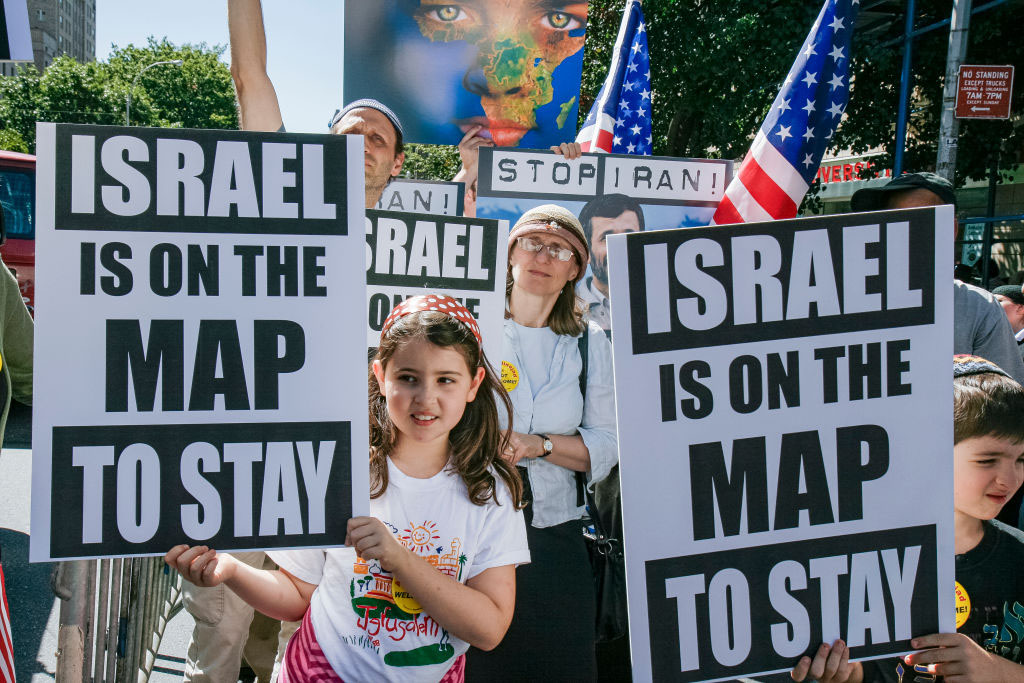
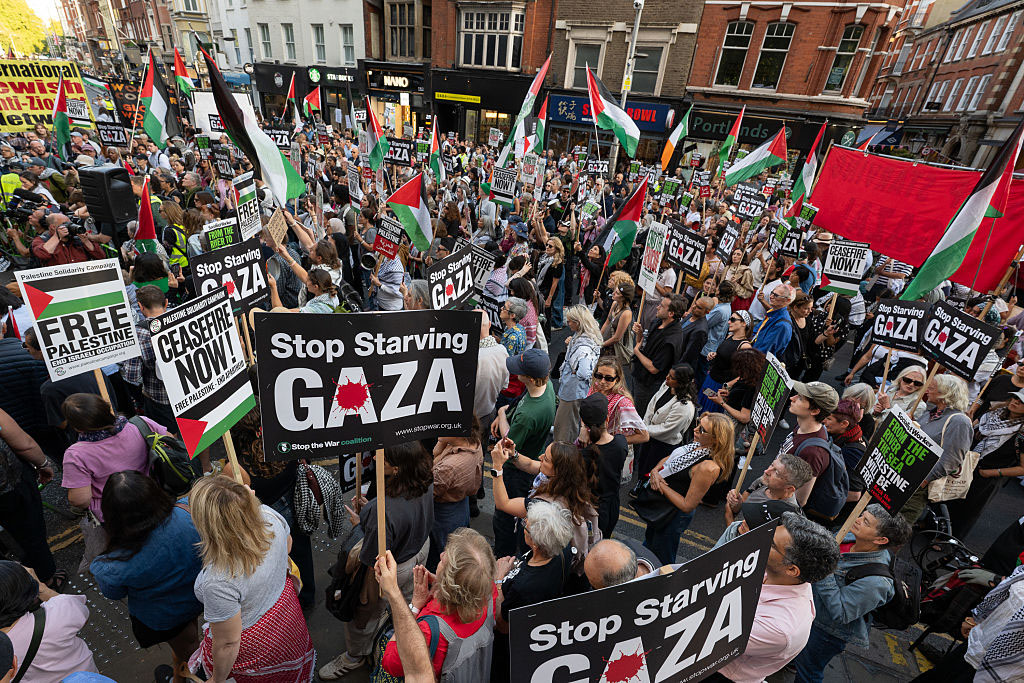
Nevertheless, the Anglo-Jewish community is in turmoil. This terror attack was not a “wake up” moment but a “we told you so” moment. There have been regular antisemitic rallies happening in London for two years since Oct. 7, and a demonstration even took place in Manchester following the attack, along with others around the U.K. They are presented as pro-Palestine rallies, but as with everywhere else, when protesters are chanting “Globalize the Intifada,” it is a call to kill Jews. This was even more explicit at Glastonbury Festival, where a performer chanted, “Death, death to the IDF!” I think of my family and friends who are serving in the Israeli Defense Forces, and new friends I made whilst volunteering in the summer of 2024 at healing events for wounded IDF soldiers. The BBC broadcast the “death to [Jews]” chant before the typical retroactive “whoops, we shouldn’t have done that” apology.
The British Broadcasting Corporation (BBC) is in a mess. It is a nationalized organization of television, radio and online media channels, paid for by national taxes. Whilst it has some pro-Jewish elements, BBC news frequently misreports events in Israel from the anti-Zionist perspective, and occasionally issues apologies. On the other hand, the corporation regularly includes religious programming, and the current Chief Rabbi Ephraim Mirvis is often heard on BBC radio. I personally had a great decade recording regular “Pause for Thought” national broadcasts in the 2000s, which were 2.5-minute spiritual broadcasts that shared a Jewish/Torah idea with a universal message. We always used to enjoy our emeritus Chief Rabbi Sacks’ annual pre-Rosh Hashanah television program. Despite the positives, it regularly feels like the BBC does not like Jews.
I am nevertheless optimistic about the future of Jewish life in Britain. The first reason is because the current problems are not an intrinsically British problem, but an Islamic problem. The British people are frustrated and angry with somewhat-uncontrolled immigration from illegal migrants who arrive in Britain on small boats that have sailed (or rowed) across the English Channel from France. They are fed up with the tolerance of Sharia law in certain towns, and specifically the lack of integration into British culture. It makes no difference if your heritage is Jamaican, Indian, Jewish or whatever, but you are expected to integrate; insisting on Sharia law is not integration. The British people saw what happened in the U.S. with the MAGA revolution, and many are secretly saying “we want some of that.” MEGA baseball caps are even starting to emerge, to Make England Great Again.
The U.K. revolution may happen in a number of ways. Whilst the current U.K. government is led by the left-wing Labour Party under Sir Keir Starmer, and the next general election will not happen until 2029, people are fed up. They were already fed up with the heavy socialist tax increases brought in when the government was elected in July 2024, following 14 years of Conservative rule, but the electorate has now had enough.
There is the rise of a new party, Reform UK, led by Nigel Farage who engineered the Brexit campaign and has been described as Britain’s answer to President Trump. One of his major challenges is that he has formed a new, small party that is the third wheel in a two-party system. Polls are showing that he would overturn the system and become prime minister if there was an election tomorrow. But three years is a long time in politics, so who knows what will happen in 2029. One thing is certain; Britain will not be ruled by Sharia law.
At times like this, I ask WWJD?, or, What Would Rabbi Jonathan Sacks Do? Our late, great, beloved Chief Rabbi was an adviser to prime ministers and royalty. I think of two conversations: the first was a fantastic event I attended in March 2002, where Rabbi Sacks had a public conversation with the brilliant academic Dr. George Steiner at U.K. Jewish Book Week in London. The conversation was about the stability of Jews in the Diaspora. Steiner, a Holocaust survivor, claimed that Jews should learn four languages and always have a suitcase packed to flee in an emergency. Rabbi Sacks had faith in Diaspora living, and believed in the stability of Jewish life in Britain.
A second conversation with Rabbi Lord Sacks took place at his home in London in 2018. It was a private chat, just myself and Sacks over a cup of tea, and in between chatting about Hamilton, Eminem, Beethoven and Mozart, I mentioned the precarious situation of the Jews in France in light of terror attacks in Paris and the increased reports of French Jews moving to Israel. He effectively said, “Marcus, it’s not so bad,” pointing out that at the time the French community was around half a million people, and it still is.
This is my feeling about the situation today for Anglo-Jewry. In recent years I’ve spent a lot of time in England, I feel comfortable there, and wear my kippah in public. Naturally, I avoid doing that in certain areas. But I am also careful in certain areas in Los Angeles.
Perhaps it is helpful for Jews to have a couple of passports. It is definitely helpful to choose faith over fear, and find some optimism amidst the current darkness. Jews were resettled in England in 1656 after being expelled in 1290. Three years is a long time in politics, and 368 years is a very long time for a Jewish community to successfully remain in one country. The Anglo-Jewish story is not over, and there is hope yet to come.
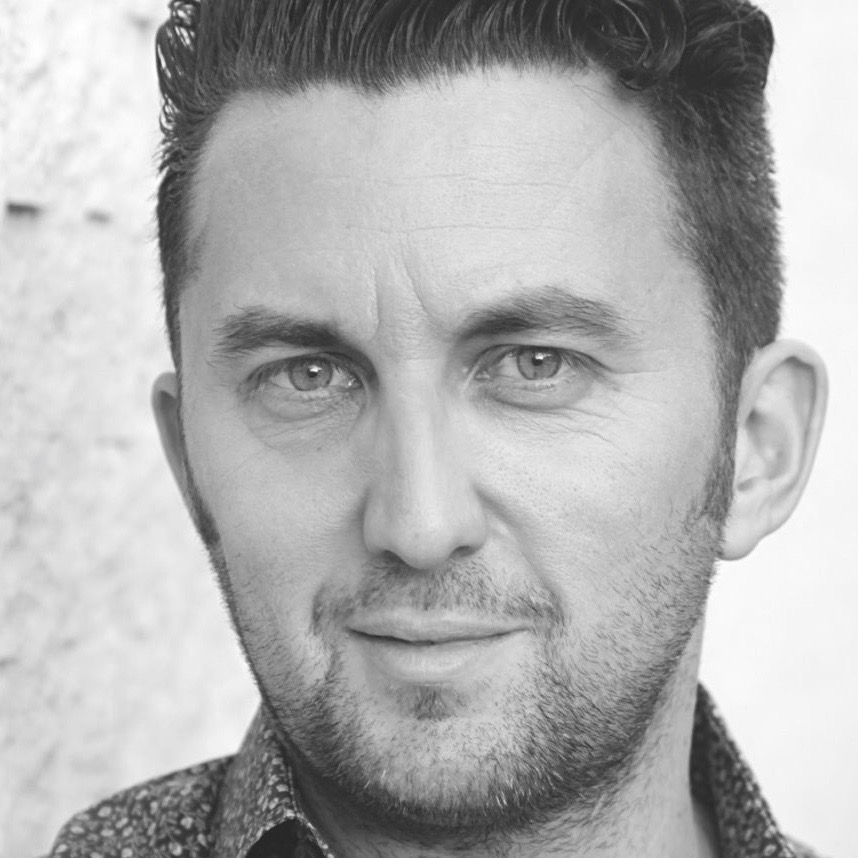
Marcus J Freed is an actor and writer.