Gloria Estefan released her love song “Words Get in it the Way” in 1986, catapulting her and her group Miami Sound Machine to world fame. Lately, I have been thinking a lot about this song’s title, as we are living in a world in which everywhere we turn, our words are continually getting in the way of common sense, human decency and hope for a less polarized future.
Among the American Jewish community, Israel’s war in Gaza is the current hot button issue sparking what seems to be a particularly pronounced period of discord. Although polarization clearly is not a new phenomenon for American Jews, the long war’s daily twists and turns have sparked an increasing use of reckless and even vilifying language by Jews communicating with one another in their professional and personal spaces. But American Jews face unique consequences of unchecked polarization given that we live as a religious minority here, and are facing an unprecedented degree of worldwide antisemitism, including within our own borders.
In discussing polarization more broadly, psychology professor Eli Finkel has lamented how sectarianism can manifest in those with highly moralized political and religious identities. This sectarianism reinforces the idea of a single moral truth, and the belief that those with whom you disagree are morally repugnant. The process involves three steps: first, “othering,” which entails labeling “people as so different from us that they’re almost incomprehensible,” followed by a sense of “aversion,” which reinforces the view that those with whom we differ are “morally bankrupt.”
Sadly, we see evidence of this process at work among Jews in this country, especially now concerning matters pertaining to Israel. But we can help ourselves, and set an example for others, by choosing our words more carefully and keeping in mind that people of good faith can differ on controversial issues. Studies show that the majority of American Jews still care deeply about a Jewish future here as well as a future for Israel as a Jewish, democratic state. These goals will be strongly jeopardized unless we can find a way of using our words productively as a means of finding common ground through meaningful conversations.
The prospect of turning the page to the year 5786 affords all Jews an opportunity to reflect upon how we choose to speak with others, particularly those with whom we disagree. Soon we will be reading Parsha Bereshit, which recounts that God created the world by speaking it into existence with the “Ten Utterances.” For example, Bereshit 1:3 states “God said ‘Let there be light,’ and there was light.” Significantly, the Torah does not say that God made a world, but rather that the world was spoken into existence.
God’s speech provides a model for how human beings should connect with one another. This point is recognized in Jewish tradition which embraces the idea that for both God and humans, speech is an indication of the ability to transcend the self and relate to someone or something else.
Given the importance of speech in our tradition, it is not surprising that there is much discussion about what constitutes appropriate speech. Judaism takes the power of words very seriously and prohibits verbal oppression. Many Talmudic narratives, known as aggadot, emphasize the importance of respectful debate and critical thinking. Dissenting views are recorded in the Talmud as a sign of their tremendous importance. They are seen as a way of appropriately sharpening and challenging the majority positions.
The importance of speech is also a focus of the Yom Kippur liturgy, particularly the Al Chet, the elaborate list of our personal and communal sins which we recite nine times during the span of the holiday. Given the Jewish tradition’s focus on the importance of speech, it should not be surprising that roughly 15 of these sins relate to speech in one way of another. This group includes sins such as utterances of our lips, confessions of our lips, denying and lying, impure speech and slander. All these categories are fitting examples of how our words “get in the way.”
As we prepare ourselves for a fresh start, we must contemplate how we can harness the power of our words for good, for making a difference in what has become a path that is already far too dark.
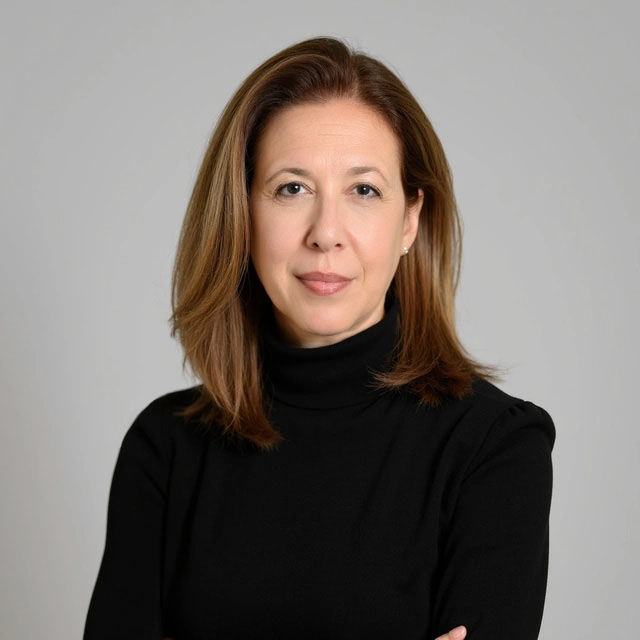
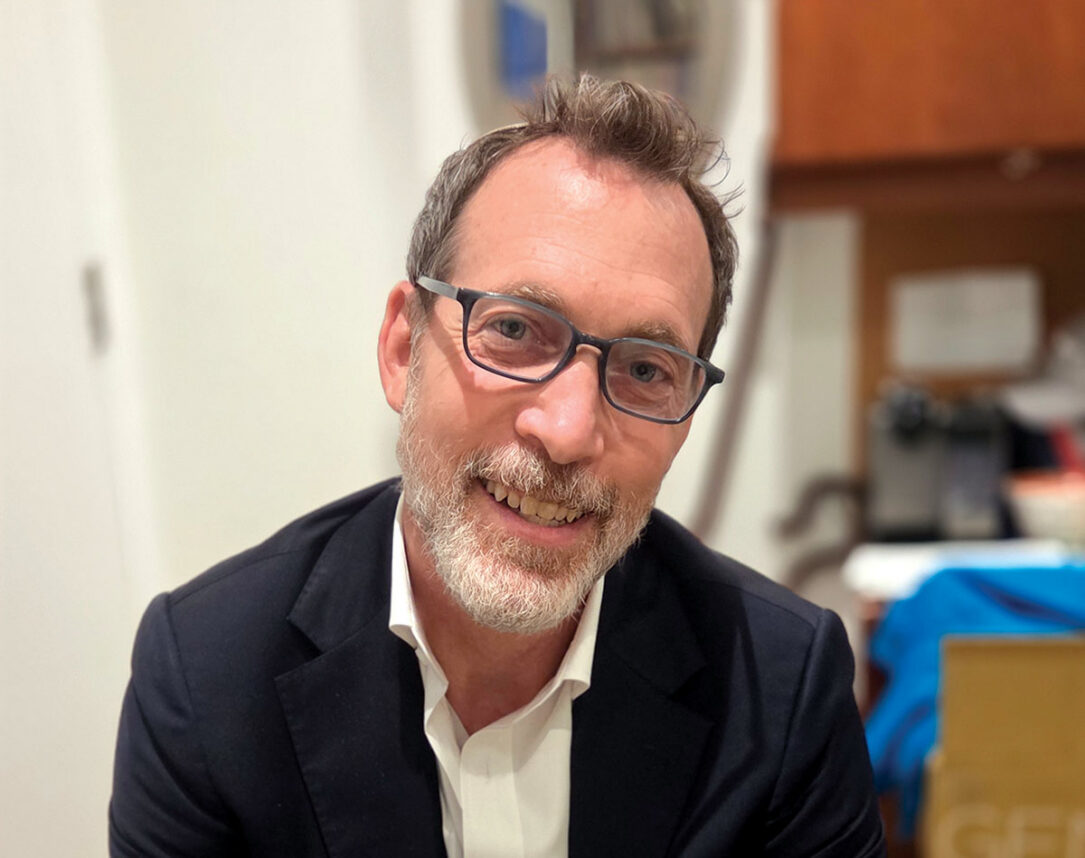
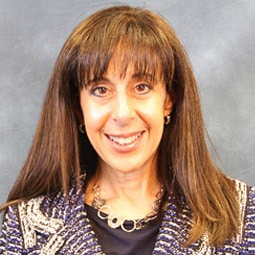
Roberta Rosenthal Kwall is law professor, author and Jewish educator with a focus on American Judaism. Her latest book is “Polarized: Why American Jews are Divided and What to do About It” (forthcoming, Bloomsbury Press).