
Building the Jewish Homeland’s Future With So Much More Than Little Blue Boxes
Speaking personally, spending three days in an environment filled with optimism, youth and family truly hit the spot.


Speaking personally, spending three days in an environment filled with optimism, youth and family truly hit the spot.

Rabbi Kushner provides a path for elevating our humanity, appreciating the wisdom of Jewish tradition and practice, and experiencing the divinity residing within all humans, even those who do not yet acknowledge God’s presence.
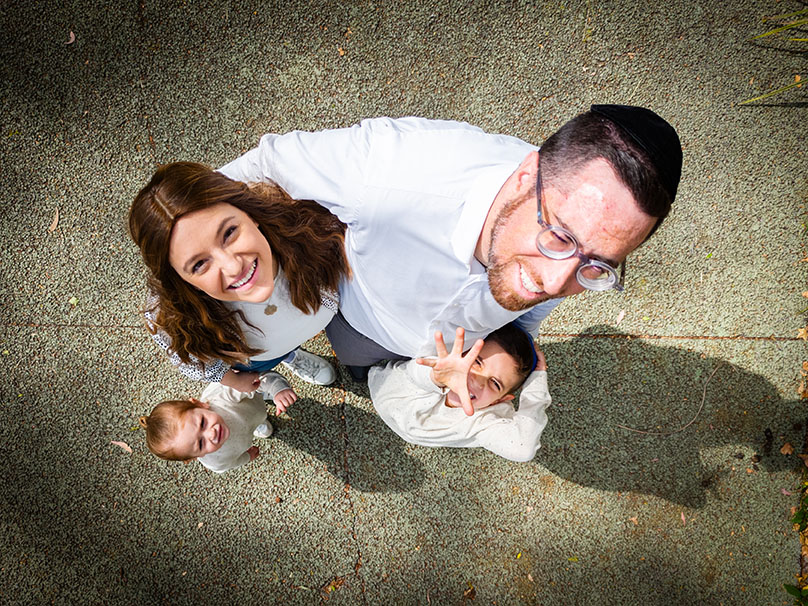
Given the realities of our current time, we are more in need than ever of the depth, wisdom, and joy that Jewish tradition offers.
If we want to see a less polarized society, both internally and beyond, we must emphatically reject the idea that political alignment is the predominant commonality for friendship.

The festival of Shavuot provides a well-placed opportunity to contemplate the choices we make on our Jewish journeys and how they will impact the next generation.
This year, rather than focusing just on the seder, maybe consider how you and your family might incorporate even just one more element of Jewish tradition into your lives during the eight days of the holiday.

Envy is a completely unproductive, and even self-destructive, emotion.

Without Zionism, most religiously liberal American Jewish communities do not have sufficient Jewish content to sustain a thriving, long-term future in this country.

I have a vivid memory of how one home in my middle-class suburban New Jersey hometown was decorated at this time of the year.
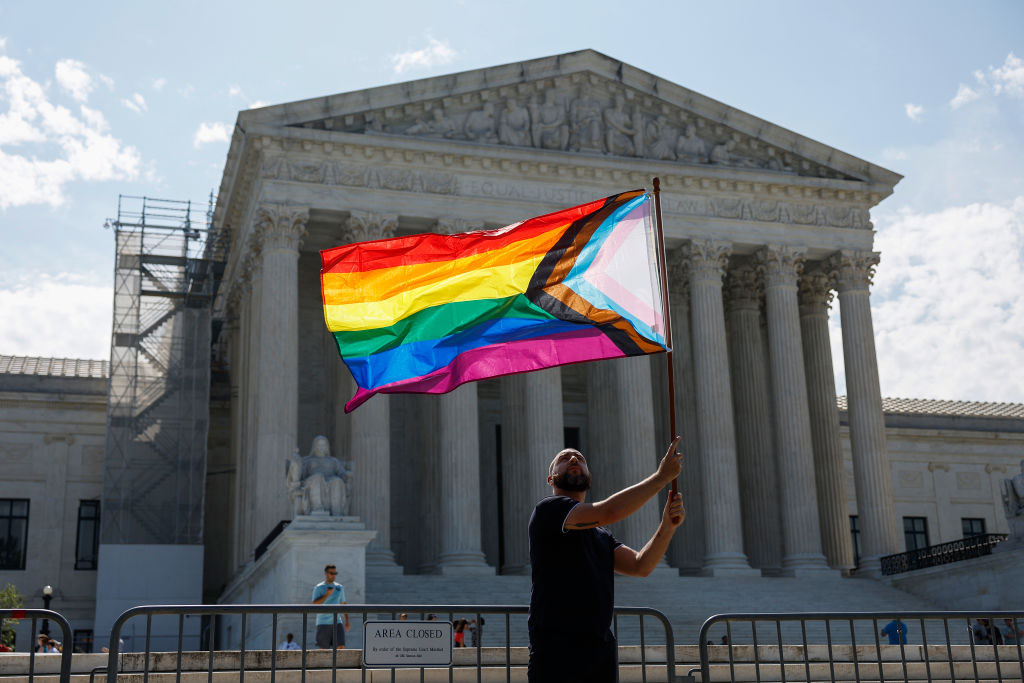
The Obergefell litigation and its aftermath is a perfect illustration of how the legal theory of cultural analysis can move us beyond the endless spiral of polarization and strife we now face.