Editor’s note: Third in a series
My mother and her four sisters would drag all of us cousins out to the cemetery so often, that they simply called the place “Waldheim,” as if they were on a first name basis with it.
By the time I was 7 years old I knew the paths at Waldheim, southwest of Chicago, like I knew the way around my very Jewish neighborhood of Albany Park. I was fascinated by the Waldheim matzevot, the tall above ground tombstones. On each one there was a little metal plate that my cousins and I could pry open. Beneath it was the preserved photo of the dead person. We would try to imagine them laying down there underneath the earth as a bunch of bones, and laugh our heads off.
I moved to Los Angeles at the age of 12. When I was in high school and college and began returning to Chicago alone to visit the family, my mother would wag her finger in my face, “Make sure you get out to Waldheim.”
“You’ve given me a whole list of people to visit and now you expect me to spend time with the dead ones, too?” I would ask.
She did.
Over the years I felt so attached to Waldheim, that when I turned 40, and people asked where I wanted to celebrate my birthday, I suggested we do a destination party and set up tables and balloons at Waldheim, so everybody could be there.
My parents and four aunts didn’t find that funny.
Cemeteries are so much in my family’s blood, that in his 40s, my older brother began working for Mt. Sinai Memorial Park. And still does. It didn’t take him long to start hocking me that I needed to buy cemetery space.
“I’m not buying cemetery space, Hal. I think I want to be buried in Israel. If I’m not going to be living there, at least I can be dead there.”
“Why would you want to be buried in Israel?” he asked.
“I’m a Zionist. And besides, you’ve never been to an Israeli funeral, Hal,” I explained. “They don’t make death pretty and sanitized with flowers, copper caskets and dignified visitation rooms. The places are raw and ugly, the body is lying on a long, flat stone, wrapped up tight in a sheet. Then they dump it right into the earth. It’s real death, not the American version like the luxurious pretty American bathroom that’s supposed to make you feel like your body isn’t really doing any of that stuff in there.”
And then there was my cousin Alan’s suggestion. For nearly 20 years now, Alan has been traveling back and forth to Slavatij, the family shtetl in Poland. Among other things, he’s been rehabbing the Jewish cemetery. Of course. Alan has been there so many times, he insists on calling the place by its proper Polish name, Slawatycze, pronounced Swavatijuh. My grandparents must be rolling in their graves. They hated the place.
So, Alan tells me he’s thinking maybe he would be buried there, because “there is so much DNA” in that ground. I considered the idea for about a half of second.
Nevertheless, as I was turning 70, I knew it was time to make a decision.
Waldheim? Out of the question. The fence right near the family plot is now the dividing line between the cemetery and the parking lot of a Sportmart. I was never an athlete.
Israel? They are running out of room and will soon be burying people on top of one another.
Slavatij? Not even thinkable.
I called Hal. “Okay, you win.”
And then I told him I didn’t want Mt Sinai in the Valley. I didn’t want to be buried next to or overlooking the freeway. Where we live in Valley Village, I’ve been hearing freeway noise 24-hours a day for 40 years now.
Why are all these Jewish cemeteries next to freeways?
So we bought in Mt Sinai Simi Valley. Two nice plots under a tree with view.
“But these plots are on the slope of a hill. How will people stand here?” my wife Dana asked.
“What do we care,“ I answered. “We’ll be dead.”
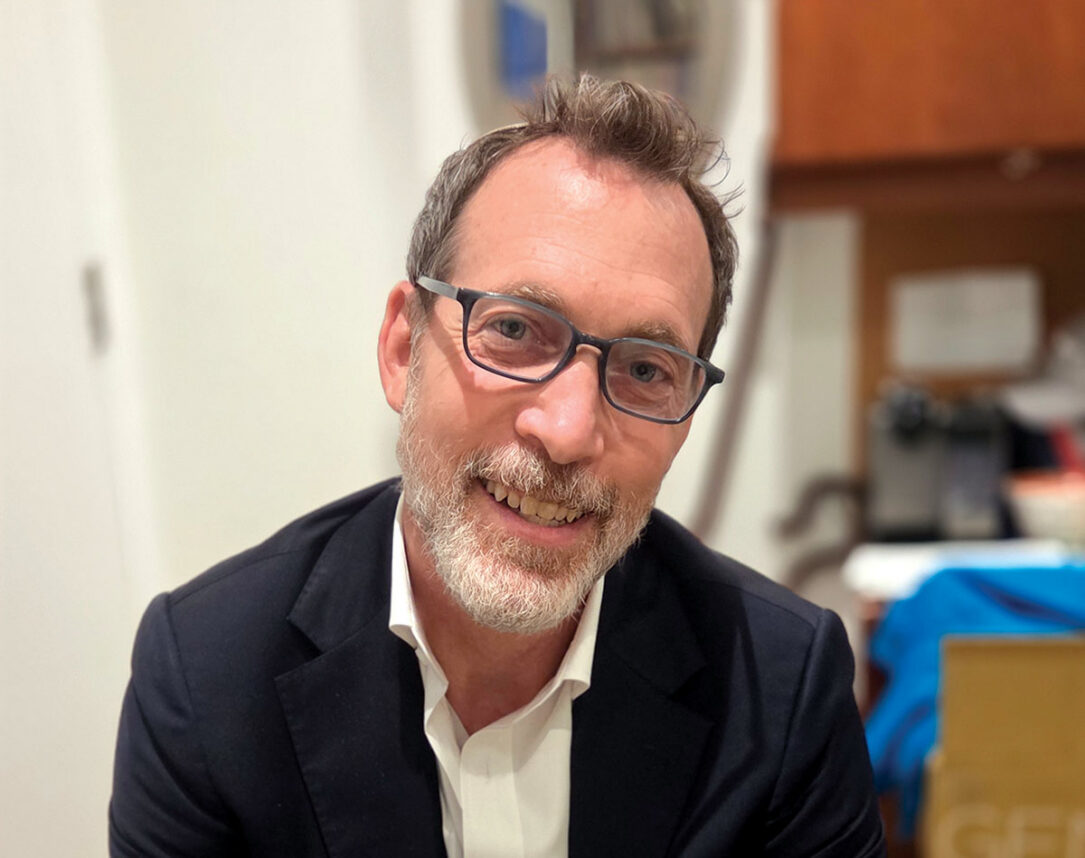
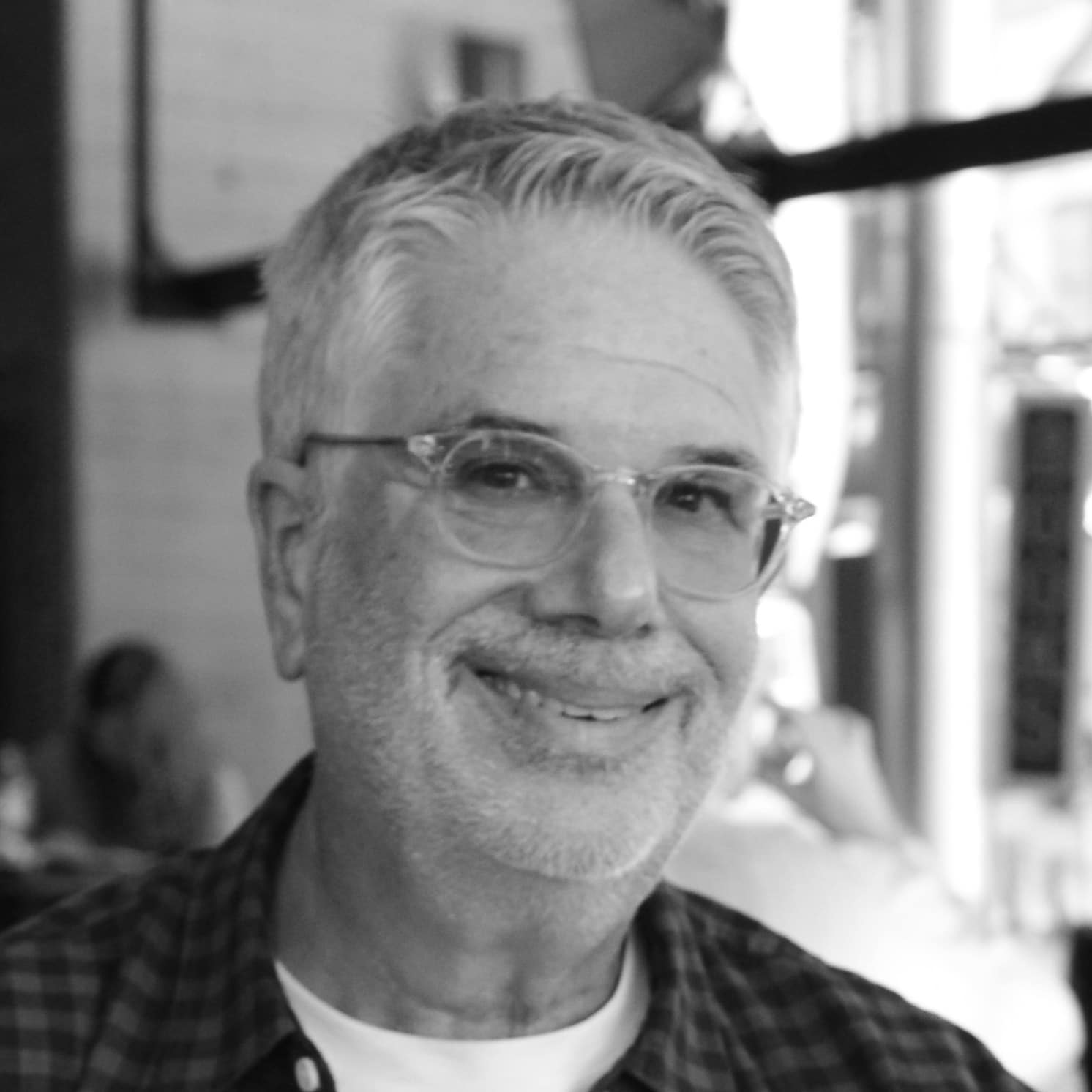
Gary Wexler woke up one morning and found he had morphed into an old Jewish guy.