On the morning of October 8 – less than 24 hours after the deadliest day in Jewish history since the Holocaust – Itay Ben-Horin woke to a WhatsApp message that would come to define his career: “Good morning, this is Renana Gome-Yaakov from Nir Oz. I was referred to you.”
Renana’s two sons, Or (16) and Yagil (12), had been abducted from their home by Hamas terrorists on Oct. 7. Devastated but determined, Renana knew that securing her children’s release on an international stage would require careful strategy. Ben-Horin helped create a communications approach centered around a morally unequivocal message, which resonated emotionally and strategically with global media: children should not be involved in any war.
Interview after interview, families of hostages appeared on the world’s leading news channels, pouring their hearts out to keep their children’s plight at the forefront of global attention. Together with Oved Yehezkel, former cabinet secretary under Prime Minister Ehud Olmert, Itay and Renana established what would become the International Headquarters for the Rescue of Child Hostages – a rapid-response operation set up within days to coordinate media, diplomatic and behind-the-scenes pressure on behalf of the families. One of their first moves was mobilizing 86 Nobel laureates across disciplines to sign a declaration calling for the children’s immediate release. A second petition, signed by 300 of the world’s leading jurists, followed. The team also established discreet channels of communication with senior figures in Qatar’s government and secured the first-ever meeting between hostage families and Qatari ambassadors. Within six weeks, the world saw the release of the first child hostages.
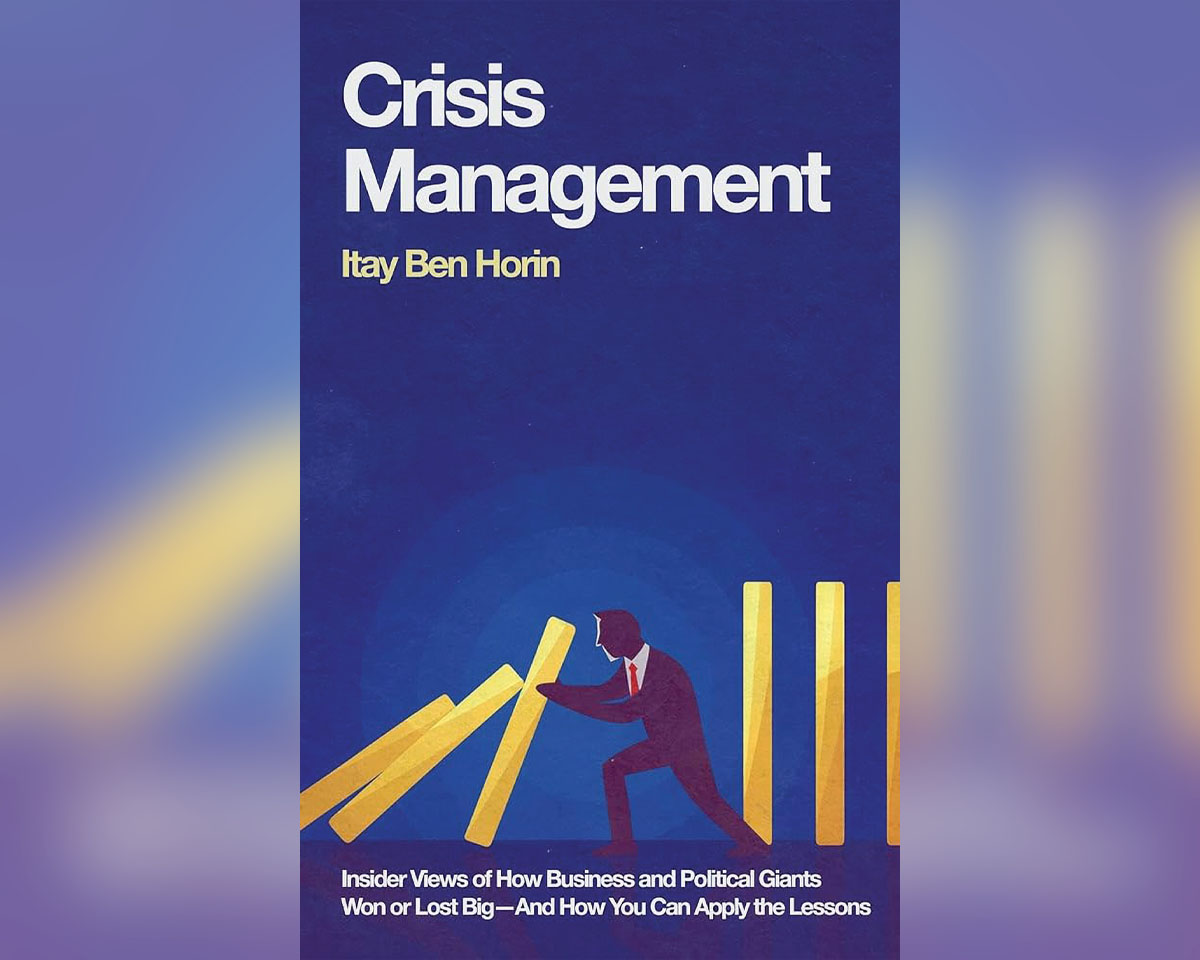
The success of that effort is representative of the types of compelling crises outlined in a new book, “Crisis Management: Insider Views of How Business and Political Giants Won or Lost Big, And How You Can Apply the Lessons,” written by Itay Ben-Horin. Newly expanded into English and available to a global readership, the book presents sixteen major crises spanning politics, business and media, offering an unflinching look at the responses that make — or break — a campaign.
One of Israel’s best-known communications strategists, Ben-Horin has spent more than two decades inside the crisis room, advising hundreds of organizations, corporations and senior political leaders through some of the most consequential moments of their careers. The crisis scenarios dissected throughout the book, including McDonald’s facing sustained criticism over unhealthy food, a racism incident at a Starbucks branch and Bill Clinton’s affair threatening to derail his presidential campaign, reveal just how much leaders can learn from public figures who have trudged through the murky waters of corporate failures, political scandals and international crises.
For businesses and public figures, a crisis is not a question of if, but when. Leaders must be prepared to respond in the way each dilemma demands. The right crisis response, Ben-Horin argues, depends on timing and the leader’s nerve to act. “A crisis pushes your abilities to the limit,” he writes. “It demands excellence and resilience and tests you as a manager, as a leader and as a person.”
The Clinton chapter offers a particularly poignant, behind-the-scenes look into what that looks like in practice. When tabloid journalist Gennifer Flowers revealed a 12-year extramarital affair with Clinton during his 1992 presidential campaign, his team faced a defining choice. Ben-Horin lays out the five strategies they considered — ignore it, change the subject, attack, apologize or confront — and explains why Clinton’s advisors ultimately chose the riskiest option: to go straight to the heart of public attention and confront the story head-on, live on national television.
The gamble paid off. In an ABC News poll conducted after the broadcast, 73 percent of respondents agreed the question of an extramarital affair was between Clinton and his wife. 80 percent said the accusations should not be an issue in the campaign at all. A crisis that could have ended his candidacy became, in Ben-Horin’s telling, the moment that propelled his campaign forward.
The book’s release in English marks a significant moment for Ben-Horin, who has long been one of the most prominent voices in Israeli public life on questions of communications, reputation and leadership under pressure. The lessons, Ben-Horin argues, are universal and designed to reach executives, policymakers, consultants, communications professionals and anyone who bears responsibility for leading organizations through turbulent moments — regardless of sector or geography.
The chapter about the International Headquarters for the Rescue of Child Hostages was improvised under the most unimaginable pressure by a man who had spent 25 years preparing for exactly that moment. That is, ultimately, what Crisis Management is about: not a formula for when things go wrong, but the discipline of becoming the kind of leader who can find the answer when no formula exists.