
On my way to a morning beauty appointment, I felt squeezed by guilt. This bit of deferred maintenance was both expensive and indulgent, a rare treat. While I’d looked forward to it for weeks, my little vanity mission felt misplaced and inappropriate. Our community had just suffered the devastating loss of a beloved teacher and community member. I then received shocking news that the husband of a close friend had been diagnosed with cancer, already metastasized and raging through his body. A series of terrorist attacks in Israel murdered or severely injured precious, innocent lives, including children. And I was worried about laugh lines and my collagen’s retirement?
Balancing life’s ups and downs often requires us to toggle between feelings of joy and grief. Lately, though, the waves of bad news felt like a tsunami and harder to manage emotionally. Personally we had joy, including the welcome arrival of a new granddaughter, Libby, named for my dear mother and the first child of our daughter and son-in-law. We also expect another new grandchild any day now in Norfolk, Virginia, the third such blessing for one of our sons and his wife.
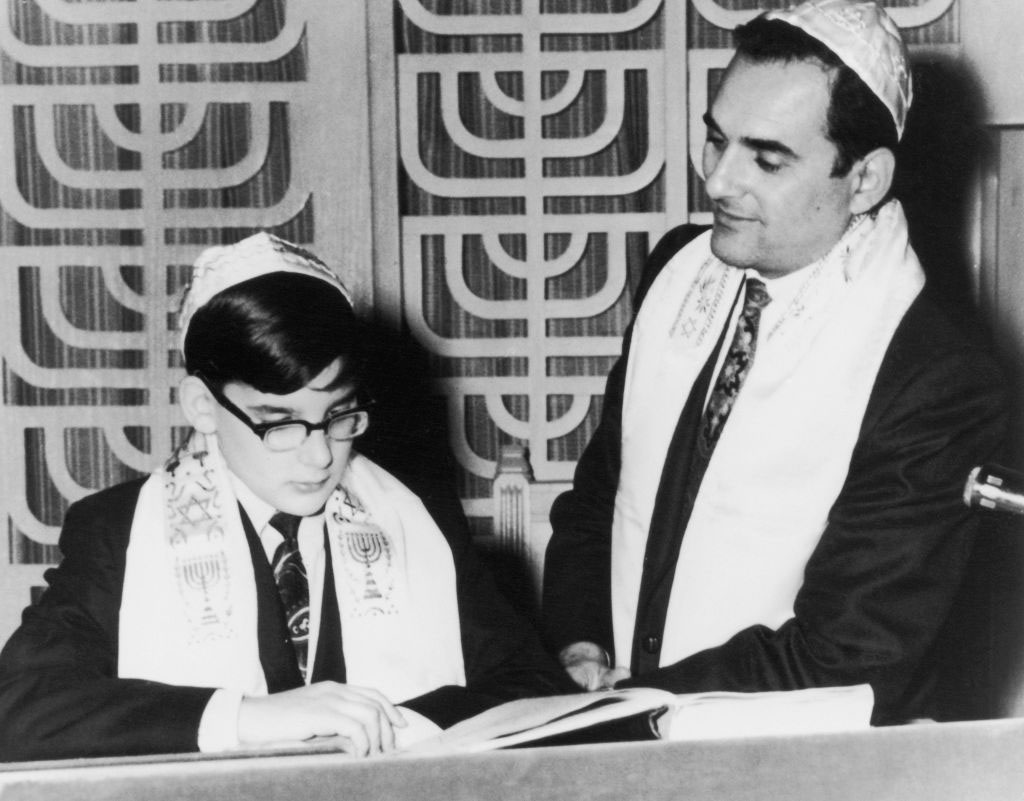
How do we make space for sadness and compassion while also allowing our full measure of gladness and joy? First, we cry. When my mother passed away a mere two weeks before our eldest son’s bar mitzvah, I got up from shiva only to face the task of making table cards for guests and thinking about balloons. It was hard to jostle my focus from the low chair of bereavement to a festive brunch buffet.
Emotional tears — the only salty ones, by the way — also release oxytocin and endorphins. No wonder we feel better after a good cry.
Because I was still in the first month of mourning at the bar mitzvah party, I walked up and down along the shul’s foyer while the comedian we hired told jokes. As I walked, the tears I cried expressed both joy and pain. Recently, I was fascinated to learn that we shed three types of tears: reflex tears that cleanse foreign matter from the eye; basal tears that coat the eye and supply nutrients; and emotional tears, which flush stress hormones and other toxins out of our system. Emotional tears — the only salty ones, by the way — also release oxytocin and endorphins. No wonder we feel better after a good cry.
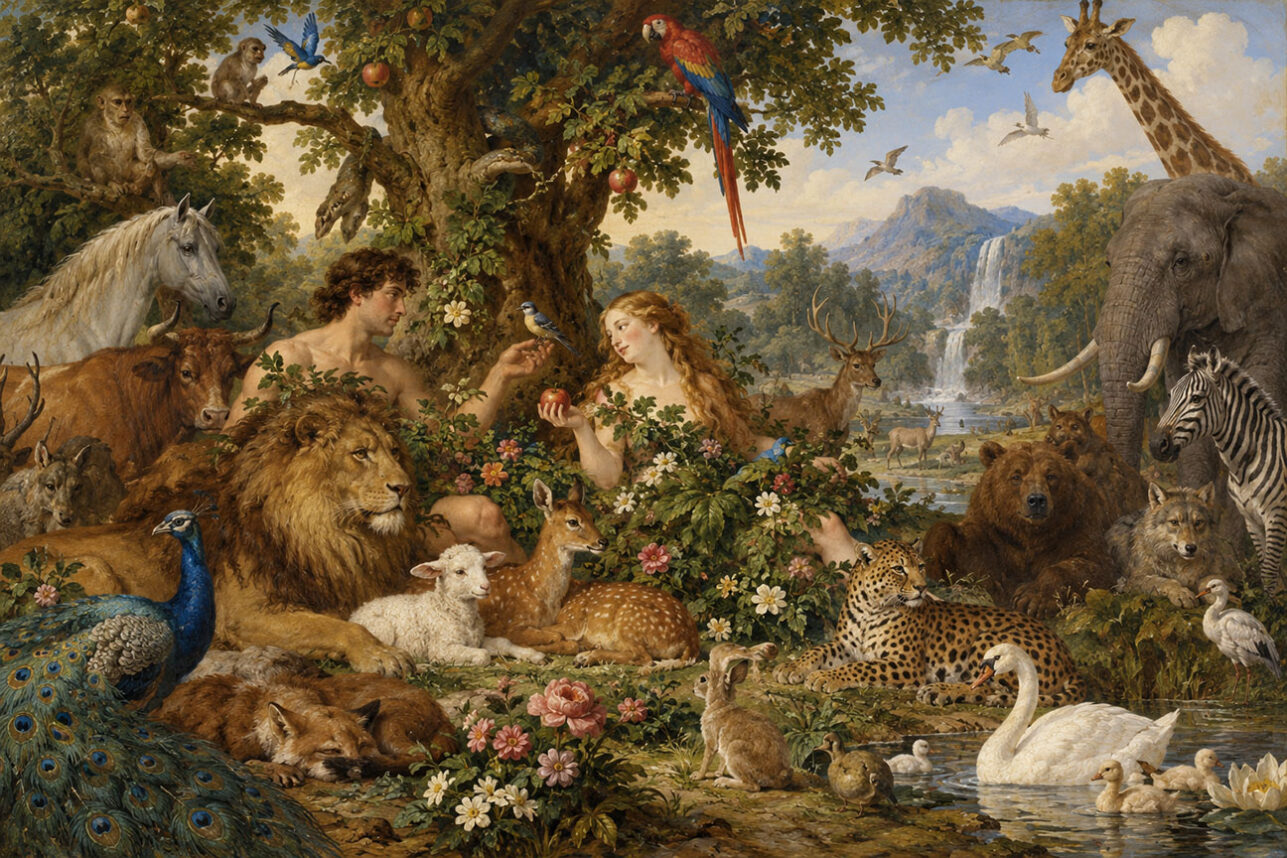
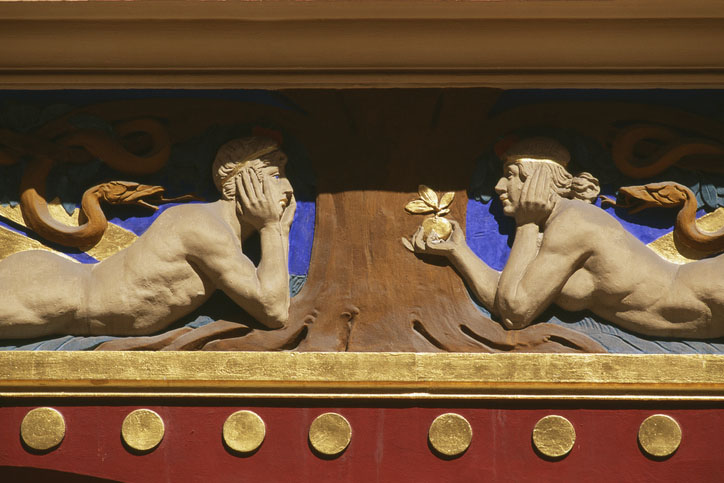
A Midrash says that tears were God’s gift, a sign of His love for Adam and Eve after they were banished from the Garden of Eden. Who wouldn’t cry leaving that garden and having to tough it out in the big, wide, turbulent world? The first couple would face inevitable sorrows and difficulties. God said, “For this reason I give you out of My heavenly treasure this priceless pearl. Look! It is a tear! And when grief overtakes you and your heart aches so that you are not able to endure it, and great anguish grips your soul, then there will fall from your eyes this tiny tear. Then your burden will grow lighter.”
It takes a sophisticated mindset and robust faith to hold feelings of sorrow and joy simultaneously. In ancient times, the only people at a high enough level to receive Prophecy not only had to be wise, pious, calm, and focused on serving God; they also had to live in a state of simcha, or happiness. Yet in that complex emotional state where happiness lived, Prophets had to accept and relay God’s stern warnings to the Jewish people about changing their behavior if they were to prevent disaster. What a task!
When my beauty treatment was over, I refocused on what I could do for others. I supported my friend whose husband was so ill through phone calls and texts. I began writing something to help honor the memory of our community member and teacher. I davened and recited Tehillim for the injured and sick in our community and beyond.
I reclaimed my natural feeling of happiness and equilibrium, assured that this is how we are meant to live. Today, I rejoiced in the music and movement of the first dance class I’ve attended in a few years. At the final moment of the class, the instructor said, “Raise up your hands to bring the energy down!” And I did.
Judy Gruen’s latest book is “The Skeptic and the Rabbi: Falling in Love With Faith.”