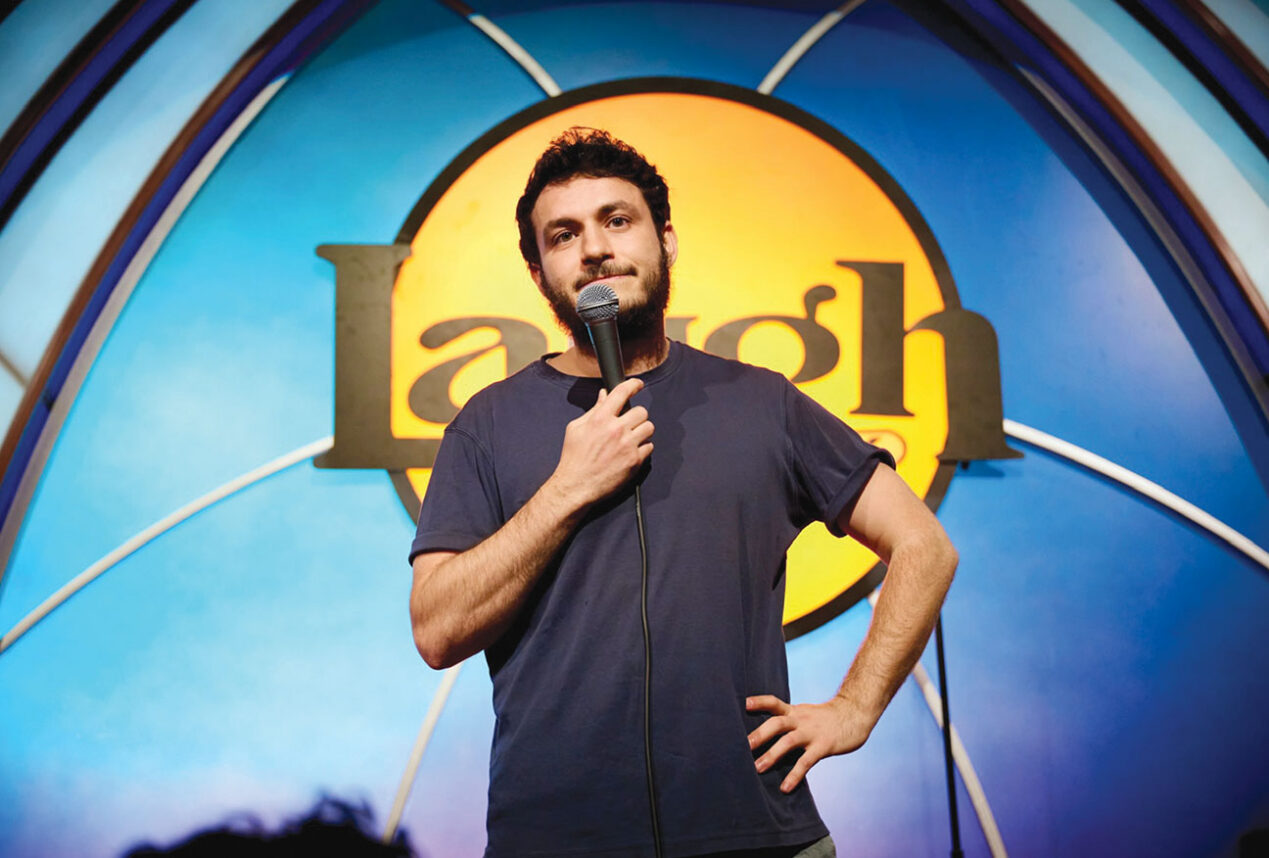
Jewish stand-up comedians have long had a talent for finding humor in even the most uncomfortable and difficult situations—just look at Larry David’s “Curb Your Enthusiasm.” But it becomes far harder when the issue is their own safety. In the past two and a half years, since the war in Israel erupted, several Jewish performers have found themselves facing a different kind of stage pressure: cancellations, protests and security concerns tied not to their material, but to their identity and public stance on Israel.
And the more support they show for Israel, the more backlash some say they receive.
Take comedian and actor Michael Rapaport, for example. He has been consistently outspoken in his support of Israel and has traveled there multiple times since Oct. 7, 2023. His posts about the hostages and his public support of Israel on social media and in interviews have made him a frequent target of online criticism from pro-Palestinian activists.
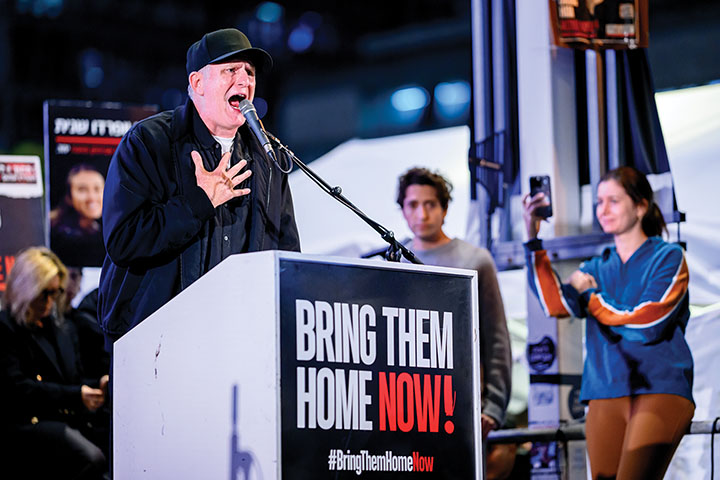
The repercussions have played out on stage. In May 2024, his sold-out show at Comedy on State in Madison, Wisconsin was canceled shortly before the performance after the venue cited an “escalating protest environment” and safety concerns. He faced another cancellation in August 2025 when his appearance at Stardome Comedy Club in Birmingham, Alabama, was cancelled on the day of the show following reported threats tied to his pro-Israel advocacy. In both cases, Rapaport said he did not cancel the events himself, framing the decisions as driven by security risks linked to backlash over his political stance.
Other stand-up comedians have also been affected. In late July–early August 2025, Jewish comedians Rachel Creeger and Philip Simon had their Edinburgh Fringe shows pulled just days before the festival opened, after the venue cited “safety concerns” for staff. Creeger was scheduled to perform “Ultimate Jewish Mother” and Simon was set to host “Jew-O-Rama,” but both were told the venue was “no longer willing to host them,” prompting criticism over the timing and the implication that Jewish acts themselves had become a point of contention. Following an outpouring of support from audiences and fellow comedians, both shows eventually found other homes.
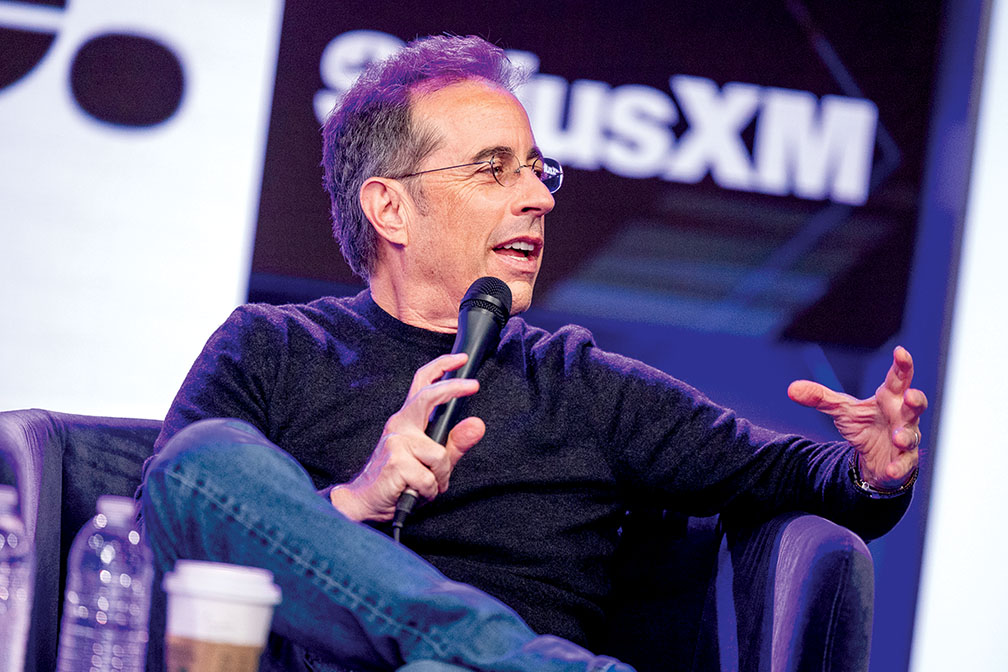
Jerry Seinfeld has also faced repeated disruptions tied to his public stance on Israel, including protests and heckling at live appearances in the U.S. and abroad. At a Duke University event in September 2025, he drew backlash after criticizing the “Free Palestine” movement and suggesting it functions as antisemitic rhetoric. “Free Palestine is, to me, just — you’re free to say you don’t like Jews,” he said, adding, “I’m actually thinking the Klan is a little better because they can come right out and say it.” He has also encountered on-stage interruptions at comedy shows, which he has responded to with sarcasm while defending comedy venues as inappropriate spaces for political protests and warning that Jewish performers are increasingly being singled out.
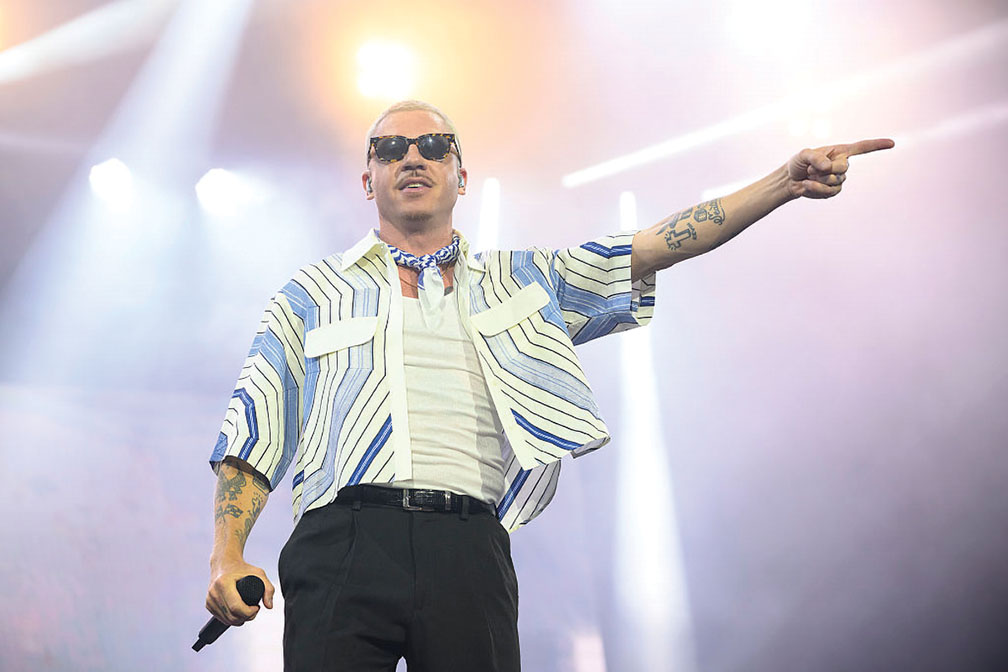
The pressure is not limited to comedians. Jewish musicians have also reported similar experiences. Mikey Pauker, a musician known for blending devotional and contemporary styles, has faced multiple cancellations tied to his public support of Israel. Last December, a scheduled sound-healing performance in Nevada City, California, was cancelled, just one day after he played a sold-out Hanukkah concert in the same town. Pauker said the decision followed an escalating campaign of intimidation tied to his Jewish identity and his self-described Zionism, with organizers citing “security concerns,” echoing an earlier cancellation in 2024 at Harbin Hot Springs.

Other Jewish musicians, including reggae artist Matisyahu, have also faced recurring pressure campaigns over the years, with shows in different locations being canceled or threatened amid protests and safety concerns linked to his public support for Israel.
Much like performers, some Jewish influencers and public figures say they are increasingly cautious in how they speak publicly. Some have reportedly hired private security, while others avoid interviews or limit commentary on Israel and the war altogether due to fear of backlash, harassment or professional repercussions. This has contributed to what many describe as a growing climate of self-censorship in parts of the entertainment and media world.
Some stand-up comedians The Journal contacted with were reluctant to go on record. One said the situation had affected his income to the point that he ultimately decided to stop discussing Israel publicly and adjust parts of his material. Another described receiving repeated hostile messages and threats on social media whenever he posted anything related to Israel — even something as simple as a trip to Jerusalem. He told The Journal that several of his shows were canceled, and venues that previously booked him said they could no longer host him due to concerns about possible disruptions. He was sent messages warning him that continued public commentary on Israel could lead to consequences, including on-stage repercussions. “I know that other comedians are receiving the same threats, but I simply can’t afford losing any more venues,” he said.