The Torah starts with the miraculous creation
from what had been a waste, both infinite and void,
and ends with death of the great leader of a nation
whose disobedience frequently makes God annoyed,
as did that of two primal characters for whom
a God Who’s Infinite created paradise:
its loss caused by their disobedience caused this doom,
explaining also why this leader dies
at the conclusion of the Torah — Moses’ loss of life
the Torah’s final fact most folk ignore because
of far more interesting events, including strife
caused by Jews’ ancestors. For its prevention Torah laws
inscribed what may be the fundamental motive
for most texts in the holy scroll ascribed to Moses,
a leader for whom all the world would vote if
lost paradise miraculously recompose.
Unlike the tohu bohu shrunk by God
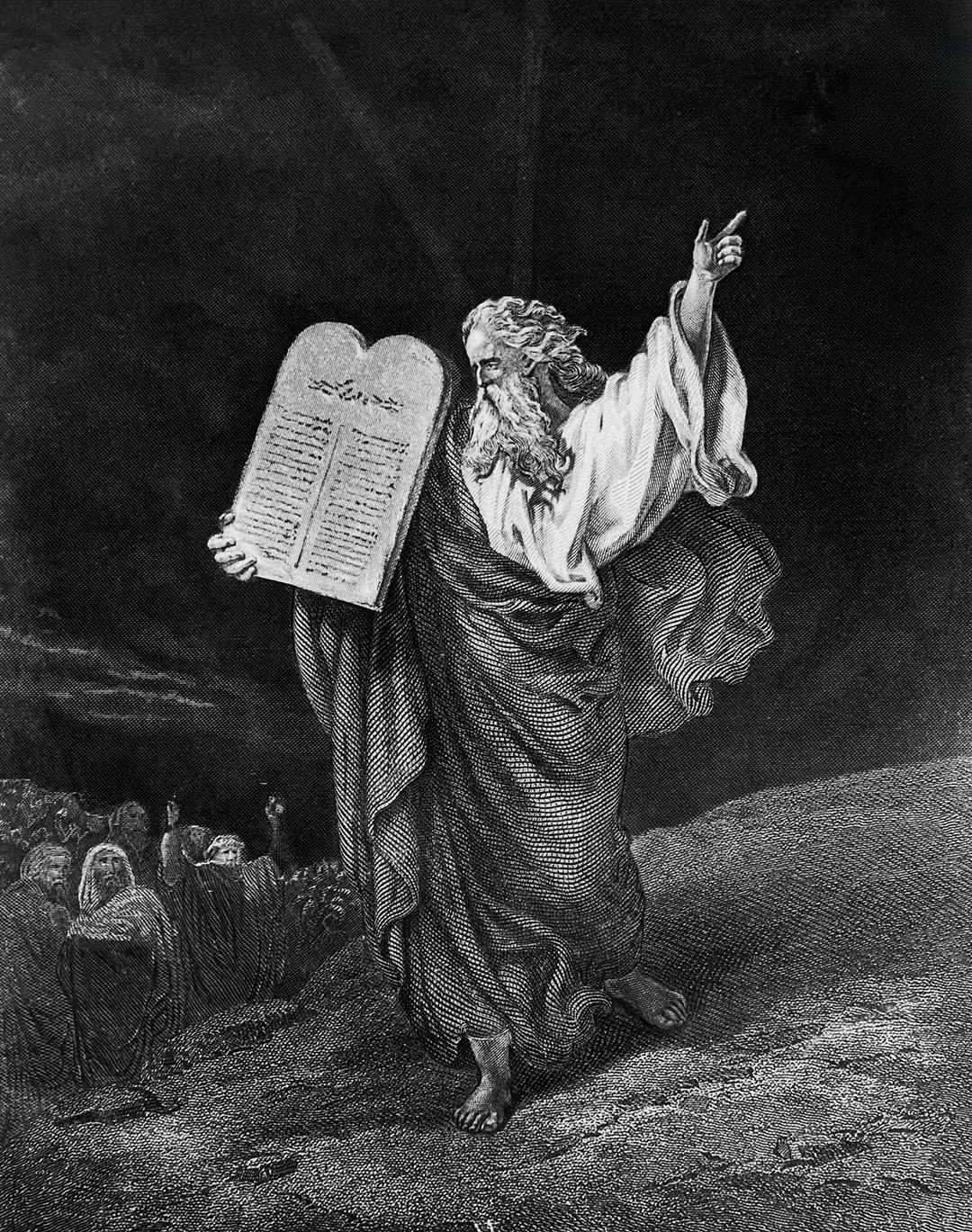
was the death of Moses, aged one hundred twenty,
indeed in contrast to the rock hit by his rod
not ever, thanks to Moses’ Torah, empty,
its contents seeming sometimes somewhat irrational,
a text inspired by a God with whom Moses face
to face communicated, not just a national
heroic leader but a teacher of the human race.
Gen. 6:3 states:
וַיֹּ֣אמֶר יקוק לֹֽא־יָד֨וֹן רוּחִ֤י בָֽאָדָם֙ לְעֹלָ֔ם בְּשַׁגַּ֖ם ה֣וּא בָשָׂ֑ר וְהָי֣וּ יָמָ֔יו מֵאָ֥ה וְעֶשְׂרִ֖ים שָׁנָֽה׃
And YHWH said, “My breath shall not abide in humankind forever, since it too is flesh; let the days allowed them be one hundred and twenty years.”
Deut. 34:7 states:×
וּמֹשֶׁ֗ה בֶּן־מֵאָ֧ה וְעֶשְׂרִ֛ים שָׁנָ֖ה בְּמֹת֑וֹ לֹא־כָהֲתָ֥ה עֵינ֖וֹ וְלֹא־נָ֥ס לֵחֹֽה׃
And Moses was a hundred and twenty years old when he died; his eyes were undimmed and his vigor unabated.
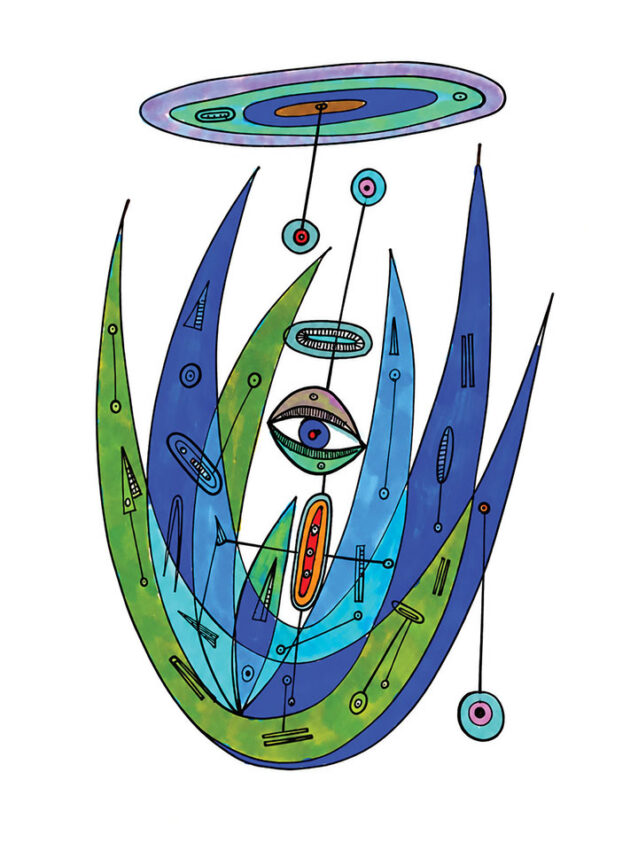
The last verse alludes to the kabbalistic concept of tsimtsum, ” a kabbalistic concept attributed to the Arizal, Rabbi Isaac Luria, according to which God retracted his infinite being to create a finite space for the universe, concept that I believe was by the word process that may been inspired by בְּלִי־מָֽה, emptiness, in Job 26:7:
נֹטֶ֣ה צָפ֣וֹן עַל־תֹּ֑הוּ תֹּ֥לֶה אֶ֝֗רֶץ עַל־בְּלִי־מָֽה׃
He it is who stretched out Zaphon over chaos, Who suspended earth over emptiness.
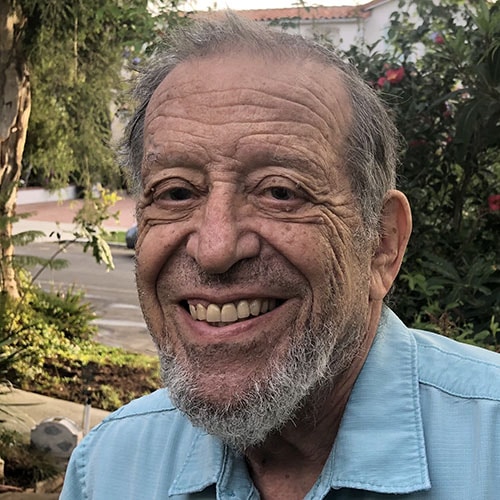
Gershon Hepner is a poet who has written over 25,000 poems on subjects ranging from music to literature, politics to Torah. He grew up in England and moved to Los Angeles in 1976. Using his varied interests and experiences, he has authored dozens of papers in medical and academic journals, and authored “Legal Friction: Law, Narrative, and Identity Politics in Biblical Israel.” He can be reached at gershonhepner@gmail.com.