
In Hebrew, Seder means “order.” Add the letter “bet” and it becomes “B’Seder,” which means “everything’s in order, everything’s allright, all’s good.” But add the word “Lo” and it becomes the opposite of “all’s good.” Lo B’Seder – all is not good.
The bread of affliction, tearful salt water, bitter herbs.
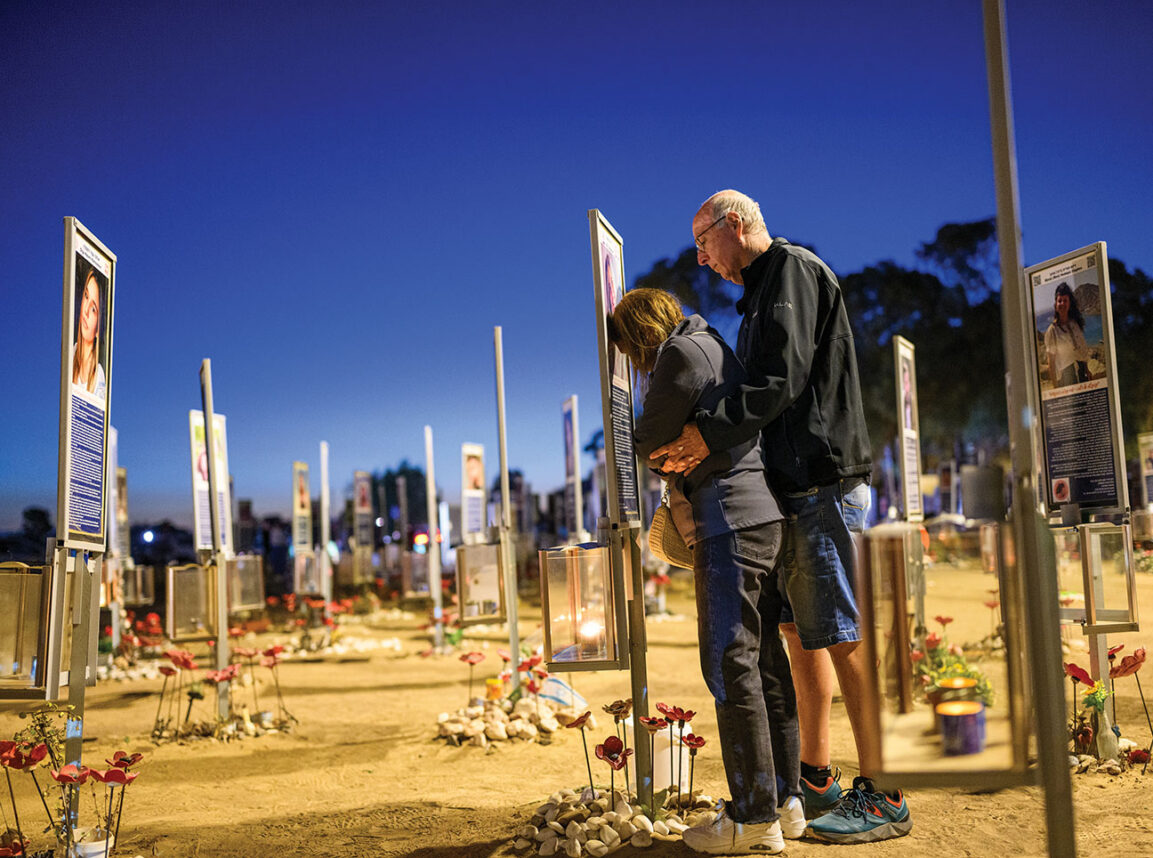
This year, on this “Lo B’Seder” night, these are not symbols from our past. In a tragic carry over from last year’s “Lo B’Seder”, affliction, tears and bitterness are ever present parts of our lives. Every single day and night – including on this “Night of Freedom” – we are afflicted with war, terrorism and global anti-Semitism. We shed tears over our fallen soldiers and the 59 hostages still in captivity. We cry for our displaced families, our physically injured and our emotionally traumatized. Every hostage who has returned has brought with them the testimonies of bitterness, pain and suffering. As Jews, we live in a bitter world, where Jewish college students are subjected to more hatred than learning.
Four children? Two of them – Ariel and Kfir – were murdered in cold blood. They were the the captive child, whose four questions were “Where am I? What is this horrible place? What did I do wrong? Why am I here?” Before their mother Shiri could answer – she was also murdered in cold blood. The Bibas family, they are our collective Maror.
Maror is bitterness, Matzah is hope. Hillel took Matzah and Maror, put them together and said “This sandwich represents our collective Jewish experiences: bitterness blended with hope.”
Is there hope on this “Lo B’Seder Seder”?
From the testimony of released hostage Liri Albeg, we draw hope amidst the bitterness:
“There was one moment of hope in the perpetual darkness we were held in, and that took place on Passover, as Agam Berger and I prepared to mark the Seder. A few days before the holiday I took a pen and paper and improvised a Haggadah. I wrote down verses from a Siddur we had, drew some pictures and added Passover songs. We sat down for the ‘Seder’ and read from our Haggadah. It was a moment of bonding and unity for Agam and I. Despite our difficult circumstances, it was important for us to observe the holiday and maintain our belief that freedom would come soon. We prayed that the holiday would bring with it the news we so yearned for. Although we were not released then, that moment gave us the strength to carry on.”
The strength to carry on, the strength to carry on, the strength to carry on, the strength to carry on. Four cups of hope.
Maror – Lo B’Seder. Matzah – Hatikvah.
Am Yisrael Chai.
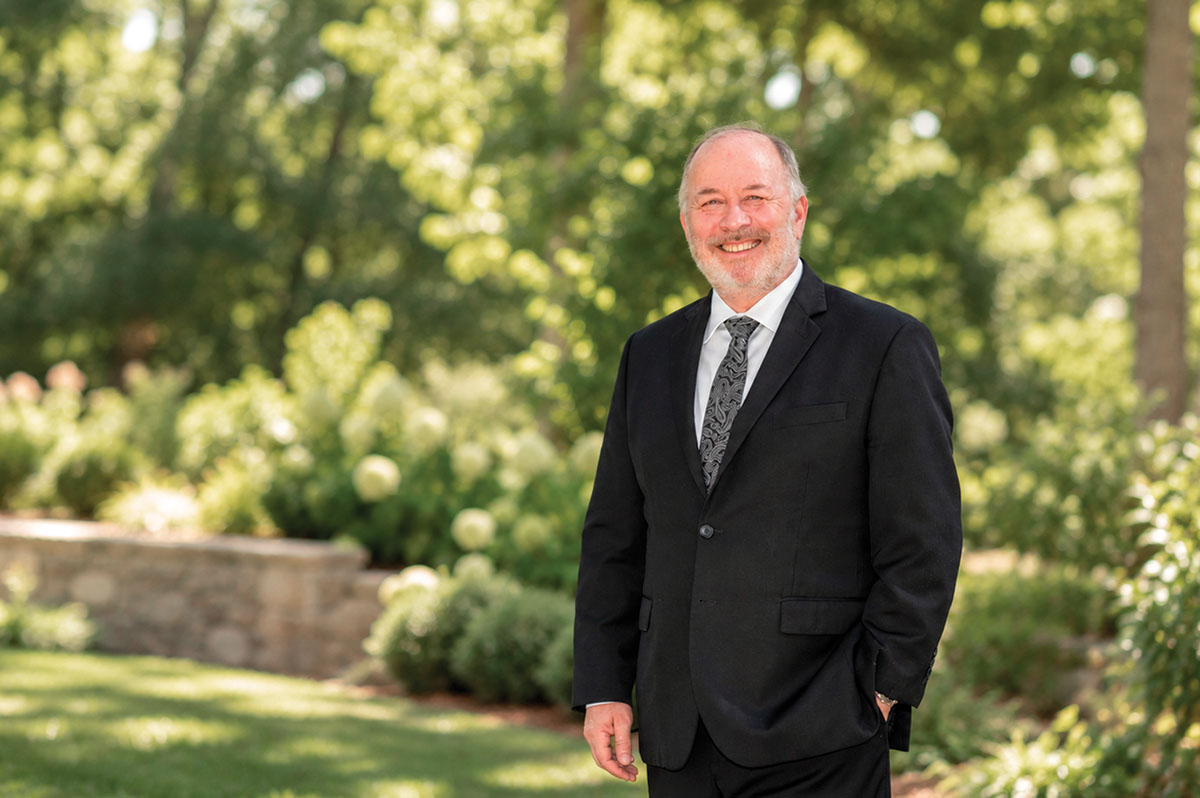
Rabbi Daniel Bouskila is the international director of the Sephardic Educational Center.