
One verse, five voices. Edited by Nina Litvak and Salvador Litvak, the Accidental Talmudist
And he said to them,
“Set your hearts to all of the words which I bear witness for you this day, so that you may command your children to observe to do all the words
of this Torah.”
– Deut 32: 46
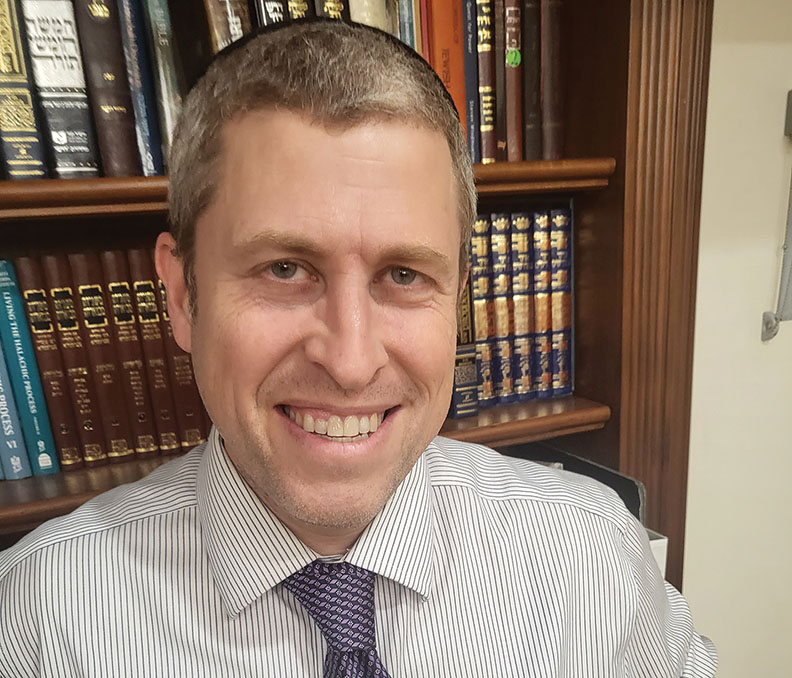
Yehudit Garmaise
Therapist-intern at Chabad Treatment Center
Just before passing away, Moshe explains that if we are to fulfill Hashem’s expectations of us, it is our hearts, and not only our minds, that we must set to learning Torah. “Those who learn Torah without the intent of observing the mitzvot would have been better off had they not been born,” the Alter Rebbe quotes in the Tanya. Jews must be reincarnated until they have actually observed all 613 mitzvot, Rabbi Yitzchak Luria said.
Once we start to bring Torah down from its lofty heights by mentally grasping it, then we must internalize Torah into our hearts and express it through our bodies. Not just our souls, but our bodies also will bear witness to the Divinity we experienced and expressed in our lifetimes, Rabbi Joey Rosenfeld teaches.
Learning the secrets of the Torah while hiding in a cave, Rabbi Shimon bar Yochai and his son drew down the light of Hashem into themselves to embody the Torah. Similarly, we must work to make ourselves vessels that contain the Torah so we can express Divine light, love, dignity, and emet on Earth.
“If a person obeys the commandments half-heartedly or with the attitude that Yiddishkeit is a burden, children will naturally feel reluctant to obey what we have taught them,” Rabbi Moshe Feinstein said. While Moshe uses the word “command” to describe teaching our children, expressing Yiddishkeit b’simcha is the only way we can hope to influence others. “Joy breaks all boundaries,” said the Baal Shem Tov.
Baruch C. Cohen, Esq.
Law Office of Baruch Cohen
Set Your Hearts
When Moses finished speaking, he did not leave his people with monuments or armies, but with words. Words that must be carried not in parchment alone but in the chambers of the heart. “Set your hearts to all of the words which I bear witness for you this day …” (Deut. 32:46).
This was no casual instruction. To “set your hearts” is to engrave the Torah upon your inner being, to make its truths pulse like blood through your veins. For Moses knew that scrolls can be lost, leaders can fall silent, but a heart awakened to God’s word cannot be extinguished.
And then he turned outward: “so that you may command your children.” Legacy is not mere inheritance; it is testimony. We do not simply teach our children laws — we command them with the urgency of love, with the gravity of survival. For the Torah is not academic; it is lifeblood, oxygen, flame.
In these final words, Moses binds generations together — parent to child, teacher to student, soul to soul. The command is not only to observe, but to live, to breathe, to do.
The greatest memorial to Moses is not a tomb, but a people who carry his words in their hearts and pass them to their children. For in every child who learns, in every parent who teaches, Moses still speaks.
Rabbi Benjamin Blech
Professor of Talmud, Yeshiva University
How would you end the major messages of the Torah for all future generations?
I think the challenge was the one Moses faced as we come to the concluding words of his final speech to the Jewish people. He has given his life to make the laws, the ethical ideals, the divine insights of Hashem’s magnum opus, the Torah, into the guide to a path of life that would help to transform a relatively small group of 12 tribes into “a kingdom of priests and a holy nation.” To succeed, Moses knew he must create a people who would transform history into His story. His mission had to be successful not simply for his generation but for the future, for the ages of generations yet to come. What was the secret?
• It was to recognize the same truth that Robert Fulghum so powerfully popularized in his best-selling book “All I Really Need to Know I Learned in Kindergarten”: “Don’t worry that children never listen to you; worry that they are always watching you.”
• It was to be guided by the beautiful insight of Abraham Joshua Heschel “What we need more than anything else is not textbooks but text-people. It is the personality of the teacher, which is the text that the pupils read, the text they will never forget.”
• And in the family, parents are those “text-people.” Children need role models more than teachers.
• Words instruct, but examples inspire. The truest legacy parents leave is not what they say to their children, but who they are before them.
And that was Moses’ closing message!
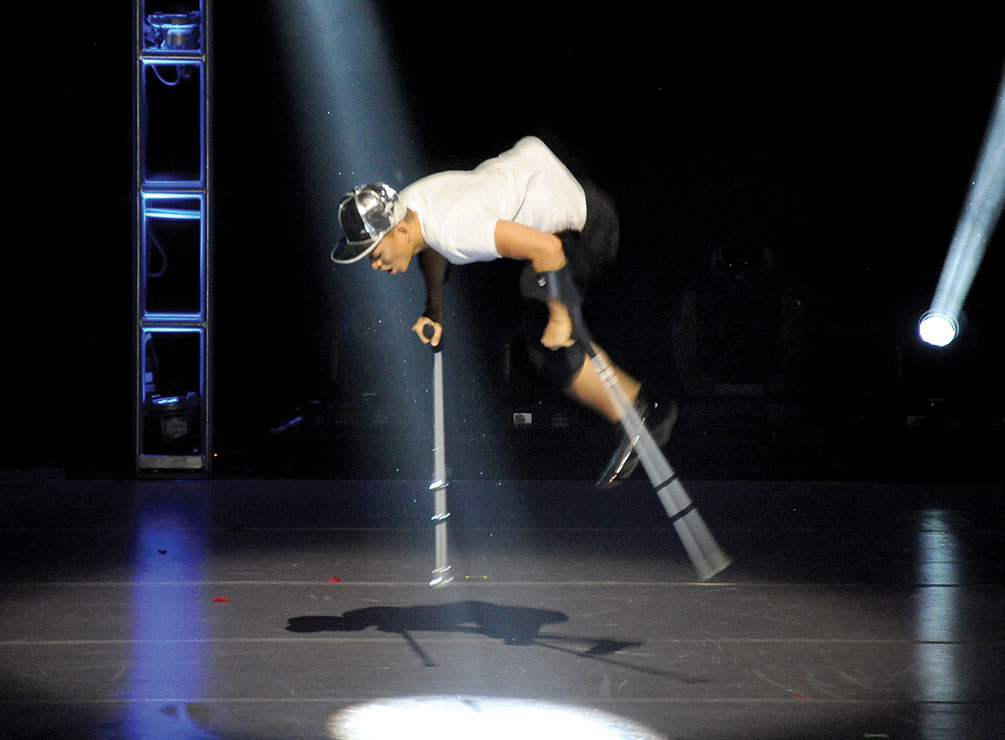
Aliza Lipkin
Writer and Educator, Ma’aleh Adumim, Israel
Shirat Ha’azinu is a poetic testament delivered by Moshe to the people of Israel before his death. This song serves as a farewell address, encapsulating Israel’s history, G-d’s faithfulness, the nation’s future rebellions, Divine punishment, and ultimate redemption. Upon completing the song, Moshe urges the nation to take its words to heart, encouraging them to teach their children to observe the Torah.
Moshe understood that for future generations to uphold the Torah, it must first be deeply ingrained in the hearts of their ancestors. He recognized aesthetics as a powerful means to achieve this. The vivid imagery and musical form of this poetic song engage multiple senses, creating a holistic aesthetic experience that bridges the human and the Divine. Music fosters mindfulness and spiritual awareness, inspiring actions such as repentance and worship.
Moshe knew it was not enough for the nation to merely instruct their offspring; the Torah’s teachings had to be modeled in a compelling way. The most enduring connections are often formed through music, which transcends time and fosters a profound spiritual bond. This may explain why Shirat Ha’azinu, like Shir Hashirim, is written in all three tenses — past, present and future — reflecting its timeless nature.
This temporal transcendence also sheds light on why the Mashiach is prophesied to descend from King David. David’s poetry, like Moshe’s, connects past, present, and future with the Divine in a unique and unparalleled way. Through the power of song, David continued Moshe’s legacy, forging a deep connection between humanity and God.
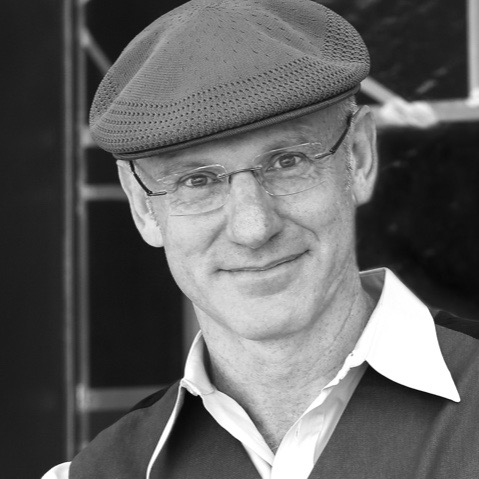
Rabbi Elchanan Shoff
Rabbi, Beis Knesses of Los Angeles
Pay close attention to that which I am telling you, says Moshe. Rashi tells us – the Torah is extremely complex and nuanced. It takes a lot of attention. The Torah is God’s revealed wisdom to humanity. Now, it would stand to reason that there would be some things in the Torah that are simply baffling to us – after all, God is infinite and complex and His ways are mysterious. “If I knew Him, I would be Him,” quipped the ancient philosopher. There must be things that we would not understand at first about the way God is and how He works. And so if the Torah contains things that we might not have expected – and it does! – then we must work to allow God to make His ideals known to us. We must not simply dismiss things with, “well that mitzvah does not speak to me,” or “I don’t relate to that!” Never can we dismiss the Truth! We must pay close attention and put our hearts into it. This is a tall order – the Torah contains so many lessons that we can relate to easily, lessons that we can see ennobling our relationships and worldviews. That same Torah demands strict adherence to halacha; careful fidelity to Shabbat rules and kosher food. Take this to heart! Can the Torah teach us anything if we don’t? Let’s not be doomed to simply reading the parts that already reinforce whatever we would have believed anyhow, and take God’s words to heart.