I spent a lot of time this week thinking about Ali Khamenei and Zohran Mamdani.
To be clear, I am not drawing any type of parallel between the two men. Khamenei is a murderous theocratic dictator and Mamdani is merely a misguided politician. But while there is certainly no moral or practical equivalency between them, both represent aspects of the rising antisemitism that has flourished since Hamas began the war in Gaza more than two years ago. And both have reminded us this past week why we need to remain vigilant against that threat in the Middle East and here in the United States.
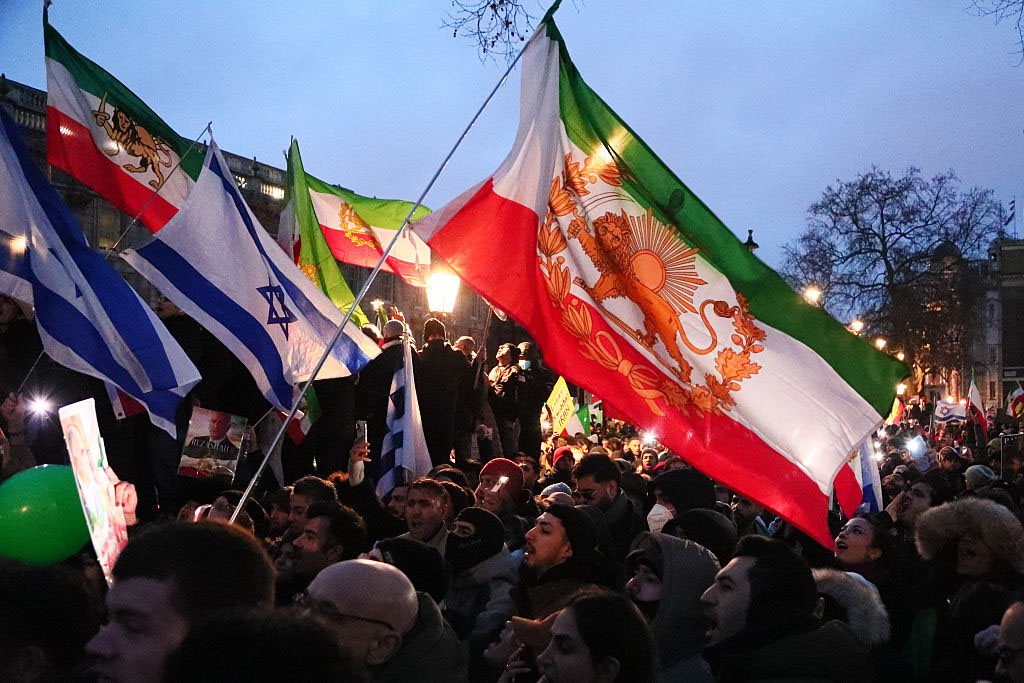
Iran’s religious leaders have ruthlessly suppressed all dissent for decades, mercilessly crushing the hopes of the Iranian people for even small freedoms, basic human rights and minimal economic opportunity. But the size and fury of the current protests suggest that this time may be different. In addition to what this means for those long-oppressed people and millions of Iranian emigrants around the world, a regime change in Iran could also eliminate the most significant remaining existential threat to the safety and security of Israel.
Barack Obama, Donald Trump and Joe Biden were all presented with opportunities to come to the aid of previous insurrections in 2009, 2019 and 2022, and all three presidents chose to offer only rhetorical support. But Iran’s military was exposed as a shadow of its former self last year given its inability to support their client states or protect their prized nuclear facilities. Their current weakness may be encouraging Trump to engage more forcefully this time around.
Nothing is assured at this early stage: the mullahs have survived such uprisings many times in the past and a secular military takeover could be just as dangerous to Israel as the ayatollah. But the possibilities — of liberty for Iranians and safety for Israelis – are real. Coupled with an increasingly likely normalization of Israel’s relationship with Saudi Arabia in the not-too-distant future, the prospect of a less-fraught Middle East is more plausible than at any time since 1948.
But at the same time, the U.S. landscape looks much less encouraging. Both Representative Dan Goldman of New York City and State Senator Scott Wiener of San Francisco, progressive Zionist Democrats running in heated congressional primaries against strident anti-Israel opponents, announced in recent days that they would now use the term “genocide” to describe Israel’s military actions in response to the Hamas terrorist attacks. The fact that two such avowed supporters of the Jewish state would succumb to such uncompromising grassroots pressure is an ominous sign of how rapidly the political environment in this country is shifting against Israel’s interests. (The rise of antisemitism and antizionism on the right is just as disquieting.)
And then there is Mamdani. In last week’s column, I posed several questions to the new mayor, one of which requested a clarification on his views of the genocidal slogan “globalize the intifada.” When pro-Hamas protesters who were demonstrating recently near a Queens synagogue used that language, leading Democrats across the city and the state swiftly and harshly denounced them. The governor, state attorney general, both U.S. Senators, several House members, and leaders of the state legislature and City Council did not hesitate to condemn their behavior. To her credit, even Alexandria Ocasio-Cortez posted a statement saying that “marching into a predominantly Jewish neighborhood and leading with a chant saying ‘we support Hamas’ is a disgusting and antisemitic thing to do. Pretty basic!”
But Mamdani said nothing, either the night of the protest or for much of the following day. Finally, late on Friday afternoon and just minutes before Erev Shabbat, the mayor responded to a reporter’s question with this tepid response: “That language is wrong. I think that language has no place in New York City.”
Mamdani did not explain what type of anti-Israel language would be more tolerable to him. But his message was clear: progress in Tehran may come sooner than in New York City.
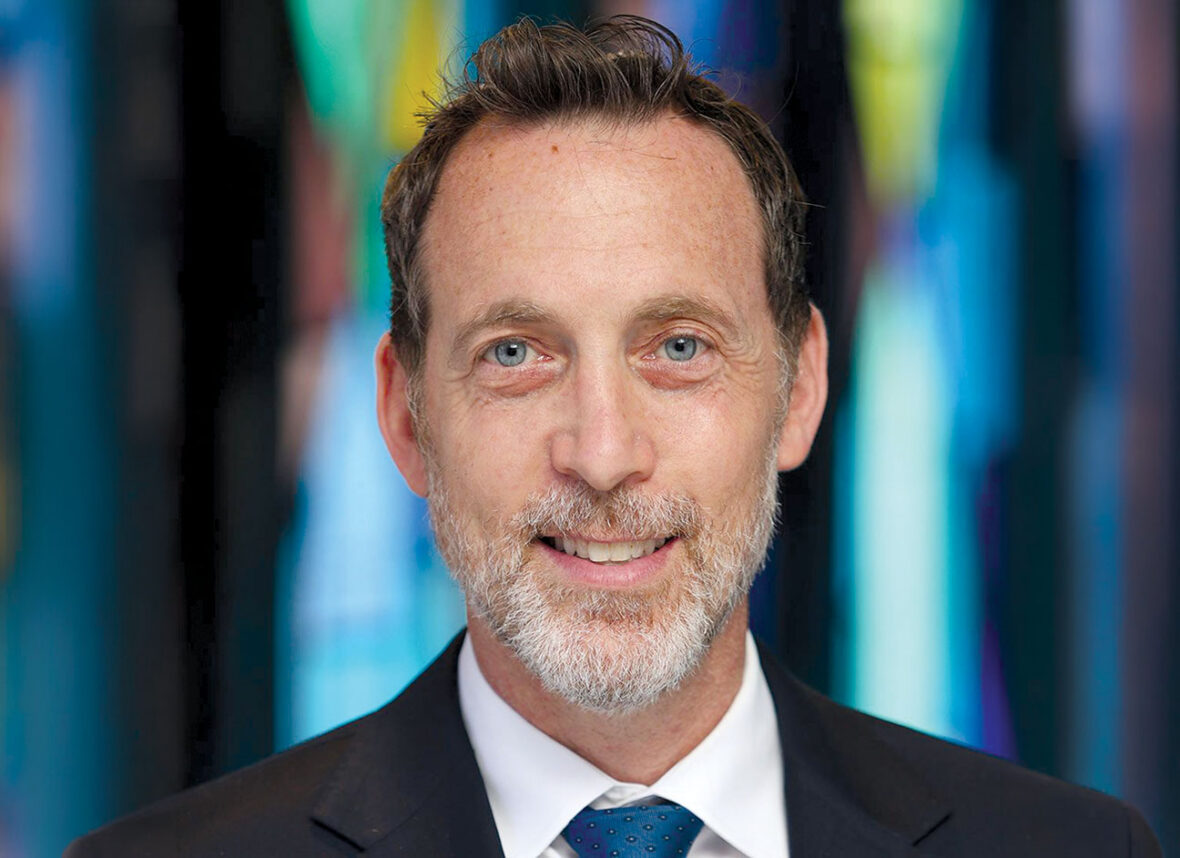
Dan Schnur is the U.S. Politics Editor for the Jewish Journal. He teaches courses in politics, communications, and leadership at UC Berkeley, USC and Pepperdine. He hosts the monthly webinar “The Dan Schnur Political Report” for the Los Angeles World Affairs Council & Town Hall. Follow Dan’s work at www.danschnurpolitics.com.