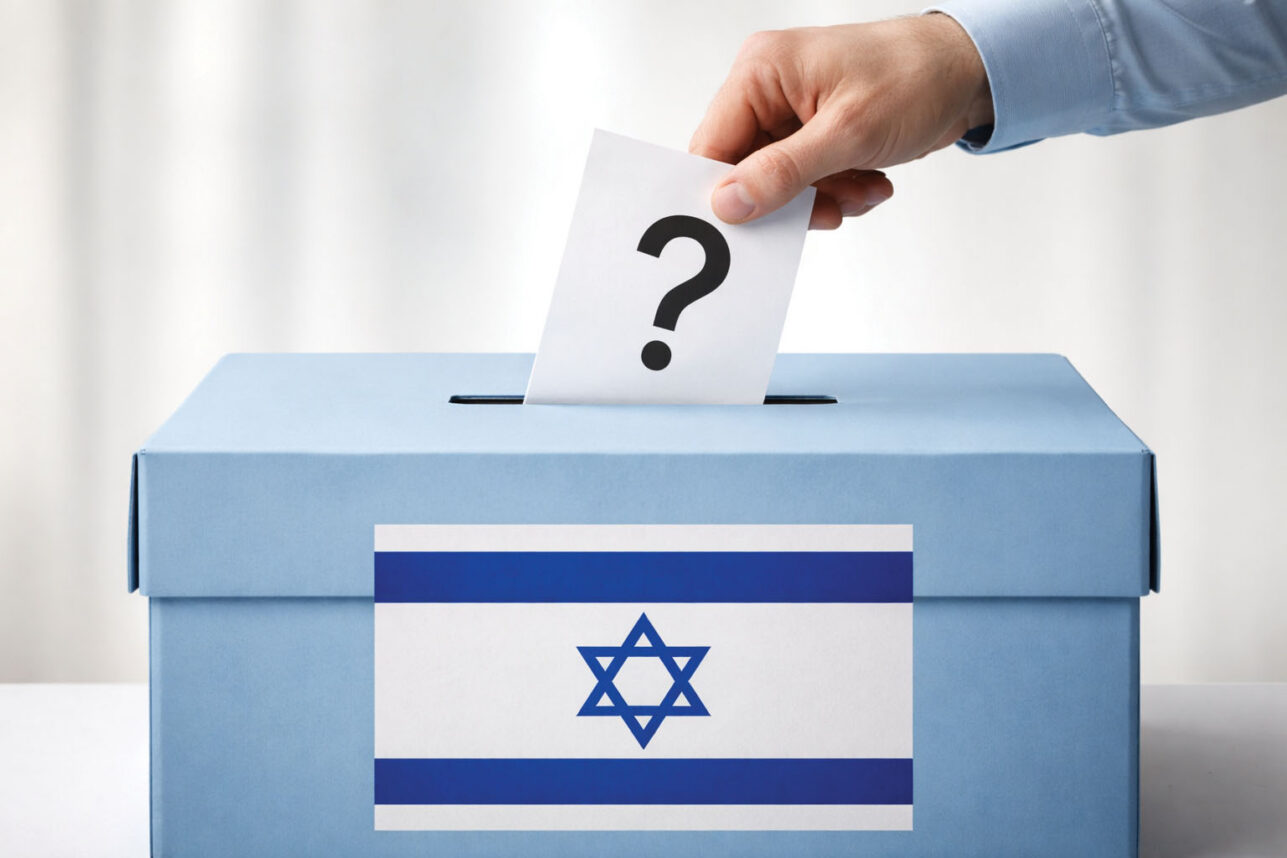
There are clear, easy to understand differences between the Israeli and the American systems of government. Israel has a parliamentary system; the United States has a presidential system. Israelis vote for national lists of prospective Members of Knesset. Americans vote for local, state and national representatives. Israeli elections occur sporadically — every one, two, three or four years. American national elections occur every two years. In Israel, there are many parties but only a few have primary elections. The U.S.has only two major parties and both hold primary elections.
All this is simple. If Americans want to understand Israeli elections, learn something about the system, some technical information about electoral thresholds, votes of no confidence, how ministers are appointed, what’s the role and responsibilities of the prime minister, etc., get it right, and then see Israel for what it is.
If only life were so simple. If only technical questions were the reason for misunderstanding.
It’s not. To understand Israeli elections, Americans must do much more than learn about Israel’s system. Americans must try to understand how Israelis think.
Why bother? That’s a good question. If you don’t care about Israel or about the Jewish world, you might decide that this is too much of an effort. But if you do care, understanding Israel’s elections is part of understanding Israel. For example: It’s important for American Jews to understand that the Palestinian issue is basically off the table for this round of elections. It is important for Americans to notice that the ultra-Orthodox already hinted that any future cooperation with the center-left depends on the latter accepting that there will be no change in the status quo near the Western Wall. This means that if you wish to see the Netanyahu government gone (as I assume most American Jews do), you might need to accept that keeping an Orthodox Western Wall is part of the deal.
How will Israelis decide whom to vote for in this election? Memorize Rule No. 1: very little is about ideology. In the United States, when two parties vie for votes, one can more or less decide whom to vote for based on the ideologies of the two parties. Are you pro-choice or anti-abortion? Are you for universal health care? Do you support international institutions such as the United Nations? Do you want universities to practice affirmative action? In a two-party system, looking at ideological differences is relatively simple. In a multi-party system — when most parties are “centrist” — differences are harder to detect, and in many cases, don’t even exist.
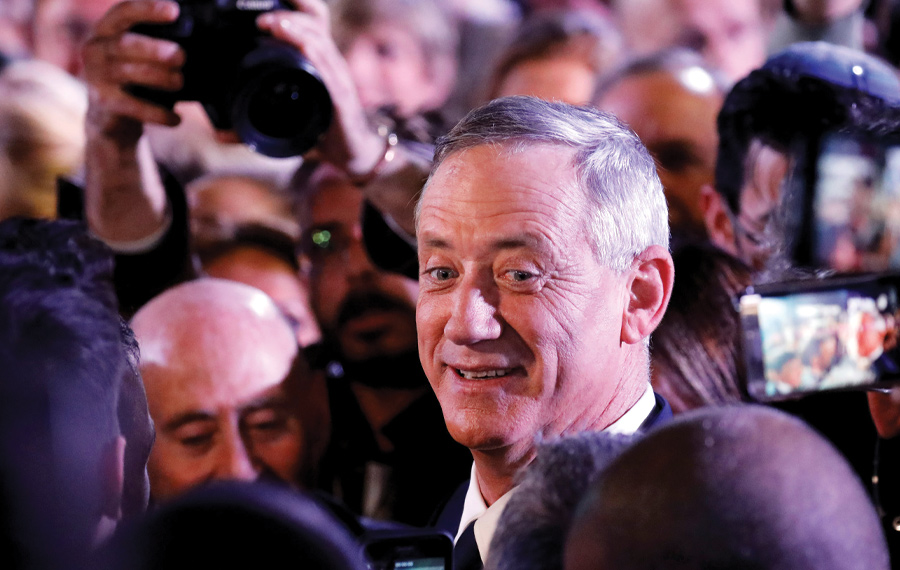
What is the difference between the ideology of Resilience, the party founded by Benny Gantz, and that of Yesh Atid, the party of Yair Lapid? When Gantz made his debut speech last week, Prime Minister Benjamin Netanyahu responded nastily — but accurately — when he said that this was an echo of a speech by Lapid. But this response could be taken further: Netanyahu could have made almost the same speech, without anyone raising an eyebrow. Gantz said that Israel must control all of the West Bank for security reasons; he said that Israel cannot cede the Jordan Valley; he vowed never to leave the Golan Heights. His tone was calm, conciliatory. His tone was different than Netanyahu’s. That’s not an ideological difference. That’s temperament, that’s tactics, that’s catering to a certain constituency.
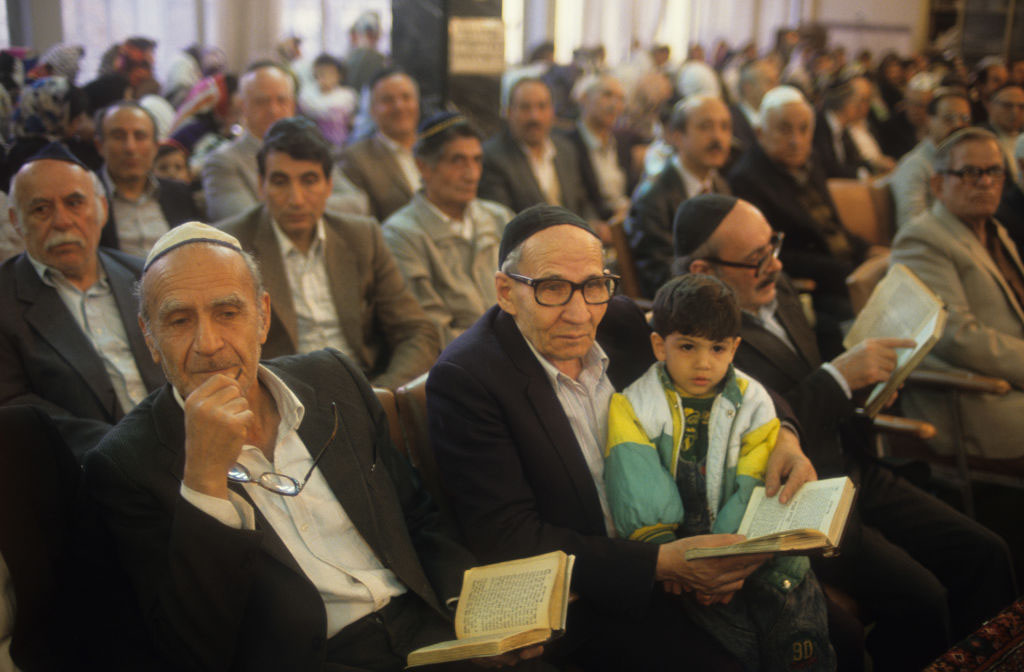
Think like an Israeli. Think like people who basically agree on more issues than they are willing to admit, and still have to make a choice. For them, tribe matters (are you Ashkenazi or Sephardic?; are you religious or not?; whom did your family vote for when you were growing up?). For them, personality matters (do they like Lapid, Moshe Kahlon or Moshe Ya’alon?). For them, trust is key (do they trust Netanyahu, the supreme court, the police?).
Take the issue of the Golan Heights as example. Almost no Israeli voter supports withdrawing from this area. Then the question becomes, which of these parties and leaders are more likely to keep this promise and which are more likely to change their mind?
Take the issue of the Western Wall as another example. Almost all Israeli voters support a more pluralistic Kotel. Again the question becomes, which of the parties and leaders are more likely to keep this promise, and which are more likely to change their mind?
If you understand Israelis, you know the answer: To be a prime minister, Gantz will scrap his Kotel promise without hesitation.
Shmuel Rosner is senior political editor. For more analysis of Israeli and international politics, visit Rosner’s Domain at jewishjournal.com/rosnersdomain.