
Rosner’s Domain | Meet Galit: Israel’s Decider
If we are right, this election will be decided by a right-winger who agrees with her government on almost everything, except how hard to push.


If we are right, this election will be decided by a right-winger who agrees with her government on almost everything, except how hard to push.

October 7 is a day that already reverberates powerfully in the consciousness of every Jew. But the meaning of it has yet to be deciphered.

Israelis are an impatient bunch, but their political processes can drag on and on – and on.

If Jews come to believe that changing their policies is the key to fixing antisemitism, they are likely in for disappointment.

Are you better off than you were four years ago?

A blessing looks forward. An assessment looks back. This week, we asked Israelis to look back.
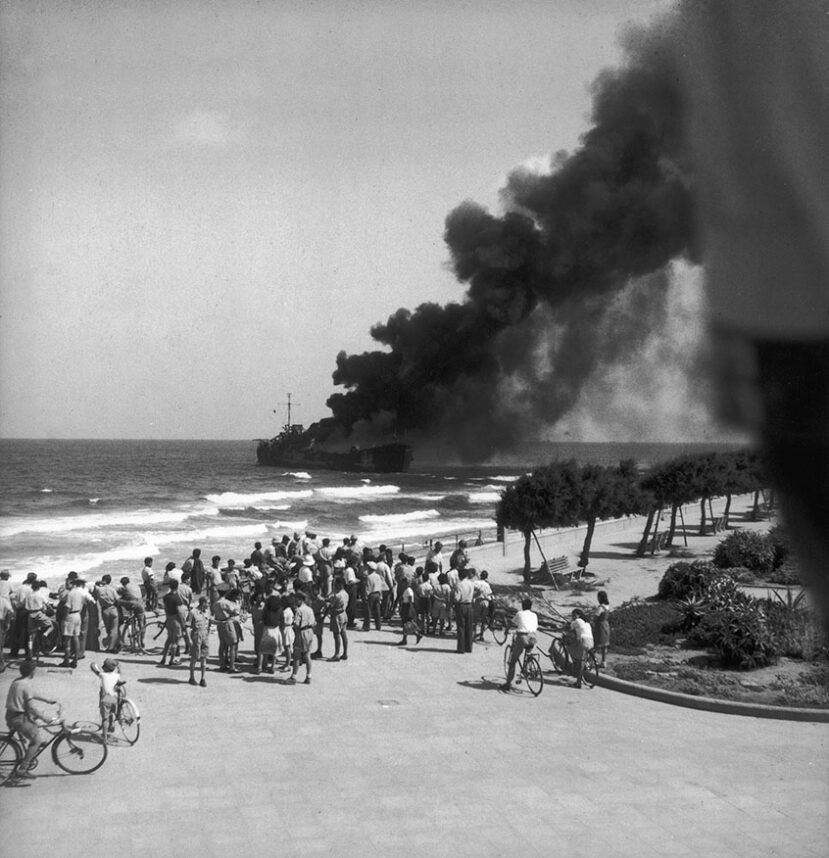
The Altalena was a munitions ship fired upon and sunk by the newly formed Israel Defense Forces in 1948.

Several surveys showed that there is substance to the claim that a degree of Jewish “strengthening” is evident in the Israeli public. However, all the studies so far have dealt with adult society.

It is a challenge for which various solutions have already been tried and failed. Most of all, it is a challenge that doesn’t seem to have any prospect of being addressed anytime soon in a way that leads to a final resolution.

These countries plotted – or at least one of them plotted – to advance peace agreements with Israel simply to lull it to sleep ahead of a war at a more convenient time. Or so the “sources” say.