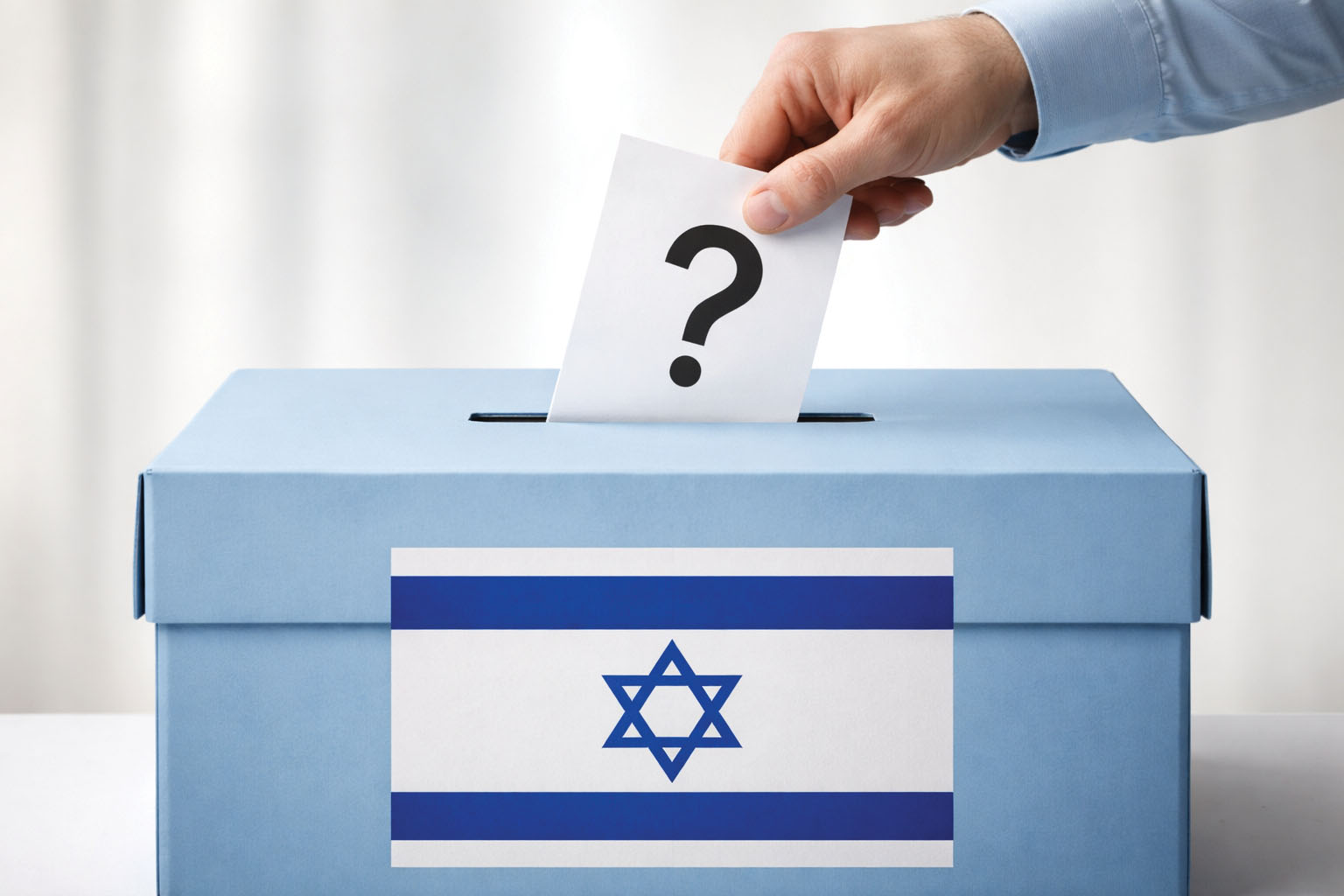
Israel’s 2026 election will not be decided by the shouting matches on television or the megaphones at protests. It will be decided by a quieter group, one large enough to swing a dozen seats yet ideologically flexible enough to be wooed by competing camps. Most of these voters, roughly a quarter of the Jewish public, generally identify as “center-right,” and while their security instincts align with the current coalition, they are deeply troubled by the fraying of Israeli cohesion. To understand what will move them, one must look past generic complaints about the economy and focus on the specific, colliding priorities shaping their vote.
A survey conducted earlier this month (by JPPI) asked Israelis to pick their top priority for the next election from a list of 10 specific issues. The results reveal a political landscape defined not by a single national conversation, but by two deafening monologues and a confused whisper in the middle.
For the first bloc, the election is a referendum on personnel. Thirty percent of all Israelis chose “replacing the current government” as their absolute top priority. This sentiment is the overwhelming consensus of Center-Left, and is shared by 60% of self-identified Centrists. For this demographic, policy details are secondary; the election is simply a mechanism to remove the people in power.
Facing them is a second bloc, equally entrenched, for whom the election is about a specific ideological crusade: judicial reform. Despite years of debate and the pressures of war, a quarter of all Israelis — and nearly a third of Jewish Israelis — ranked judicial reform as their most critical issue, placing it above defeating Hamas, fighting crime or lowering the cost of living. Among right-wing voters, this dominance is striking, with nearly half choosing it as their top priority. For the Right, the debate about the power of the Supreme Court has evolved from a policy proposal into a badge of identity, a “battle cry” that signals loyalty to the camp. As one survey respondent noted, the legal system is viewed by this group not as a branch of government but as an instrument of a domineering, hostile elite.
If the election were merely a headcount of these two entrenched camps, the outcome would be predictable. But the decision lies with the voters who do not fit neatly into either trench. These are the Israelis who populate the political “twilight zone” — citizens who haven’t decided how to vote, or who lean toward parties that defy the rigid bloc system.
The most revealing data point in the survey comes from these voters. Among those who say they still don’t know whom they will support, one-third chose “strengthening national unity” as their number one priority. This is a flashing signal for campaign strategists. While the base camps demand “regime change” or “judicial reform,” the swing voters are signaling a desperate fatigue with internal conflict.
To understand the dilemma of these voters, consider three archetypes drawn from the data. There is “Benny,” a traditionalist who previously voted for the centrist Hamachane Hamamlachti party. His priorities are a collision of desires: he wants national unity first, lowering the cost of living second, and judicial reform third. He is trapped between wanting to fix the justice system and fearing the social tear such a fix would cause. He is looking for a candidate who promises reform by consensus — a middle path that currently feels nonexistent.
Then there is “Shvut,” a religious Zionist who feels politically homeless. Her top priority is drafting the ultra-Orthodox into the army, followed by unity and defeating Hamas. She wants a “real right” that is hawkish on security but demanding on social responsibility. She glances at Naftali Bennett’s orbit but worries he isn’t hawkish enough on Gaza, while simultaneously distrusting the current coalition’s handling of the Haredi draft.
Finally, there is “Lee,” a secular Likudnik from Be’er Sheva. She wants to replace the government and lower the cost of living, yet she still ranks judicial reform highly. Her anger at her own party pushes her toward change, but her resentment of the “elites” associated with the anti-reform protests pulls her back. If the opposition sounds too much like the protest movement she dislikes, her identity politics may overpower her desire to punish the incumbent.
The numeric bottom line is telling. The Right is locked in on judicial reform; the Center-Left is locked in on replacing the government. But among the center-right — the true battleground — no single issue dominates. Cost of living, judicial reform, national unity and security each draw support in the 40-50% range when top priorities are aggregated.
This is where the campaign will be fought. It will not be determined by the certainties of the Left or the discipline of the Right, but by the conflicted instincts of the center-right. These are voters who want security and stability, reform and restraint, victory and unity. The politicians who can validate these paradoxical priorities without forcing a choice between them will not just win votes; they will decide Israel’s next government.
Something I wrote in Hebrew
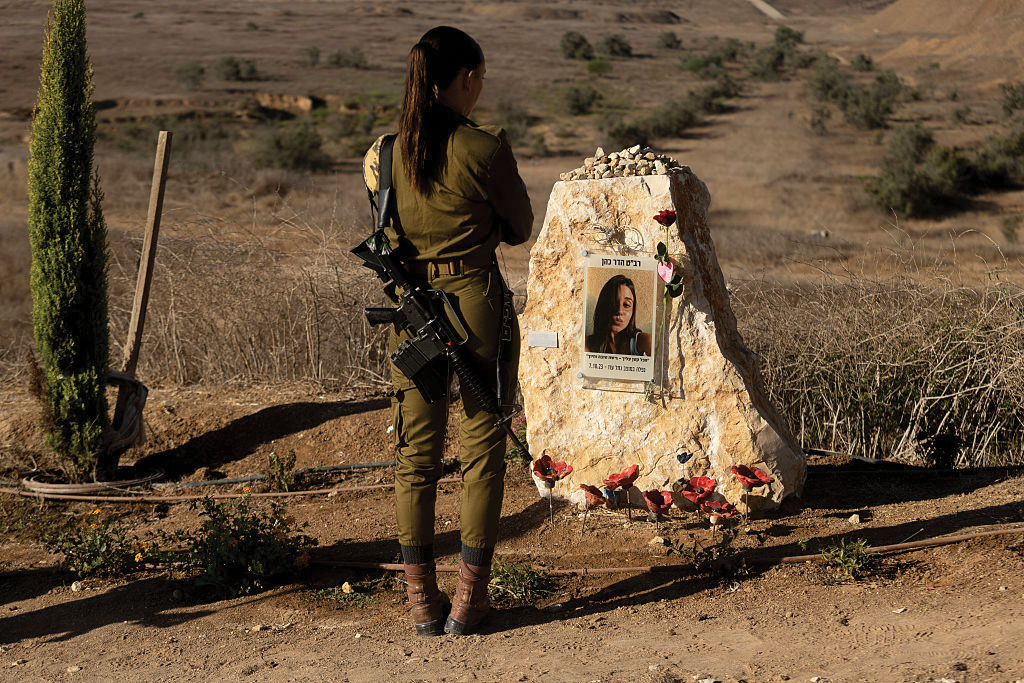
There is a record number of female soldiers in combat units, a result of high demand (they want to defend their country) and high need (the IDF needs more soldiers). Not all Israelis are ready to accept such new reality, but most do, as I wrote here:
Even the broad swath of Israelis who are not exactly enthusiastic about women serving in the military — primarily the religious sector, where the educational norm discourages female enlistment — has come to accept the new reality: there are more women in combat, and, significantly, more religious women among them.
A week’s numbers
For details, read the column above.

A reader’s response
Dan Cowen: “Reading in your column that so many Israelis are right wing was devastating.” My response: Why? “right wing” is just a title. Look at the actual views of people before despairing, and remember that Israeli “right wing” and American “right wing” isn’t the same thing (there are, of course, similarities).
Shmuel Rosner is senior political editor. For more analysis of Israeli and international politics, visit Rosner’s Domain at jewishjournal.com/rosnersdomain.