fbpx

February 6, 2019

What’s Happening: Dance Party, Jewbadours, ‘Inheritance’ Author

FRI FEB 8

“Miss America’s Ugly Daughter”
The life of Bess Myerson, the first Jewish Miss America, who became a television personality and politician before her tragic downfall, is portrayed in “Miss America’s Ugly Daughter,” a mother-daughter story for the stage. Writer-performer Barra Grant, Myerson’s daughter, and comedian/actress Monica Piper bring to life the true, dark and hilarious story about Grant’s seismic relationship with her mom. Through March 24. 8 p.m. Mondays, Fridays and Saturdays, and 6 p.m. Sundays. $40 general admission, $20 students and seniors 60 and over. Greenway Court Theatre, 544 N. Fairfax Ave., Los Angeles (323) 655-7679.
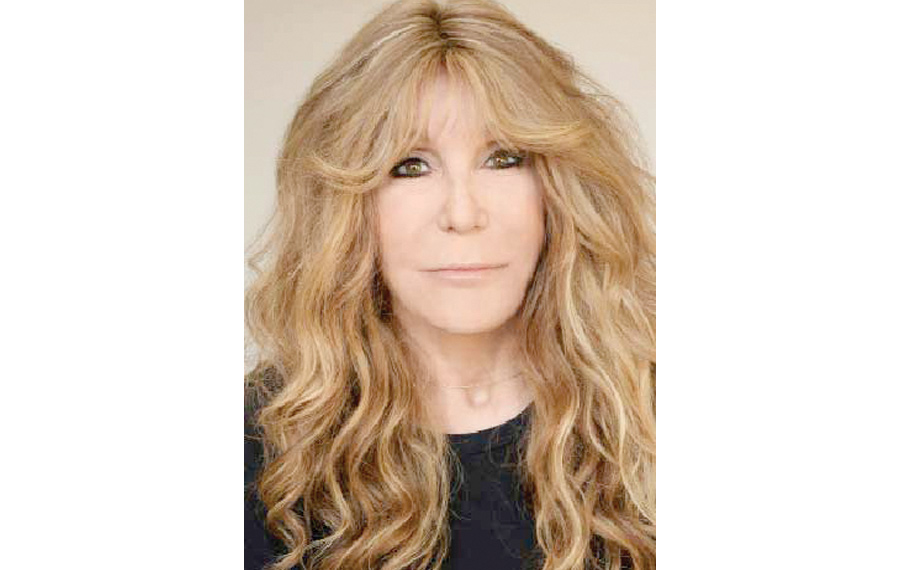
Barra Grant

Friday Night Unplugged
Young Jewish professionals tired of the single life or of spending Shabbat quietly can join like-minded company at Friday Night Unplugged, as Rabbi Mendel Simons and an acapella group set the tone for Kabbalat Shabbat services on an evening featuring a scotch-and-sushi cocktail hour. Ages 21–39. 5–8 p.m. $15. Beverly Hills Synagogue, 9261 Alden Drive, Beverly Hills.

Simply Shabbat
Nostalgic and contemporary melodies highlight Temple Emanuel of Beverly Hills’ “Simply Shabbat,” a calm hour with prayer, music and a d’var Torah. 6:15 p.m. Free. Temple Emanuel of Beverly Hills, Belle Chapel, 8844 Burton Way, Beverly Hills. (310) 288-3737.

SAT FEB 9

“90’s Bar Mitzvah Dance Party”
The East Side Jews’ “90’s Bar Mitzvah Dance Party” serves up classic, coming-of-age games, DJs and live music, a photo booth, slow dances and the Spanish dance song “Macarena.” Guests are encouraged to dress to impress. For ages 21-and-over. 8 p.m. $25 per ticket. The Box in Silver Lake, 1110 Bates Ave., Los Angeles. (323) 663-2255.

“Mystery of the Heart”
Save a Child’s Heart, an Israeli humanitarian organization, holds “Mystery of the Heart,” a benefit featuring mentalist Lior Suchard, who travels the world performing acts of telepathy and telekinesis. Save A Child’s Heart specializes in charitable pediatric cardiac care for indigent children from developing countries. Honorees are cardiac surgeon Dr. Hillel Laks of UCLA, and Jeff Frost, president of Sony Pictures Television Studios. Also appearing are Jim Belushi and the Sacred Hearts Band, the Voices of Hope Children’s Choir and actors Lisa Edelstein and Freddie Highmore. 8 p.m. $50–$250. UCLA Royce Hall, 10745 Dickson Court, Los Angeles. (818) 635-9306.

SUN FEB 10

Annie Korzen

Jewbadours
The Jewbadours entertain with music, memories and mishegas. Producer and writer Hillary Rollins hosts the evening, featuring musician/storyteller Daniel Cainer; Robin Hirsch, artist and founder of an experimental theater in New York; and Annie Korzen, an actress/writer who played the obnoxious neighbor of Jerry Seinfeld’s parents on the “Seinfeld” TV show. 7 p.m. $20 with advance reservations, $25 at the door. The Electric Lodge, 1416 Electric Ave., Venice. (310) 306-1854. For reservations, email jewbadours@gmail.com.

“Voices of Our Mothers”
“Bible Women: The Concert —Voices of Our Mothers,” the inaugural musical collaboration between the UCLA Herb Alpert School of Music and the Academy for Jewish Religion, California, features alumni of both schools singing songs by composer Elizabeth Swados that give voice to women of the Torah, including Sarah, Miriam, Deborah, Ruth, Esther and Lilith. The program opens with a pre-performance talk by Rabbi Ruth Sohn of Hebrew Union College-Jewish Institute of Religion, Cantor Kerith Spencer-Shapiro of University Synagogue and Jonathan Friedmann of the Academy for Jewish Religion, exploring the ways in which women are depicted in the Bible. 3 p.m. opening discussion. 4 p.m. concert. Free. UCLA Schoenberg Hall, 445 Charles E. Young Drive East, Los Angeles.
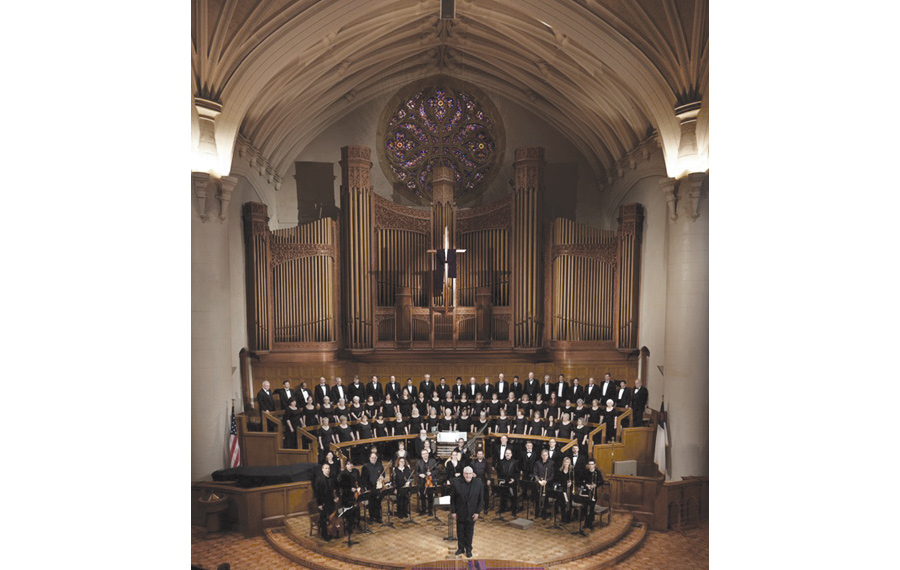
Chorale Bel Canto

Super Sunday Phone-A-Thon
The Jewish Federation of Greater Los Angeles’ annual fundraising phone-a-thon is held at Stephen Wise Temple from mid-morning to mid-afternoon. Phone volunteers must be 18 or older. Volunteer shifts, 9:30 a.m.–noon and noon–2:30 p.m. Stephen Wise Temple, 15500 Stephen S. Wise Drive. (323) 761-8133. For additional information, contact mhamerman@jewishla.org.

“Annelies”
Chorale Bel Canto performs “Annelies,” a Grammy-nominated oratorio by James Whitbourn that is based on “The Diary of Anne Frank.” Annelies was Frank’s full first name. The performance about hopes and dreams has 14 movements that track Frank’s experiences in Germany as well as her days of hiding in The Netherlands. 4 p.m. $10, no charge for Holocaust survivors. Wilshire Boulevard Temple, 3663 Wilshire Blvd., Los Angeles. (213) 388-2401.

#TV Gone Jewy
Writer and Jewish Journal contributor Esther D. Kustanowitz delivers a 90-
minute presentation, “#TV Gone Jewy,” at American Jewish University. Kustanowitz uses film and television clips to explore how Jewish writers in Hollywood, who used to hide their Judaism, today are reclaiming Jewish identity, changing how it is being perceived onscreen. 1:30-3 p.m. $10-$15. American Jewish University, 15600 Mulholland Drive. (310) 476-9777.

Health Professionals Brunch
The Jewish Federation of Greater Los Angeles invites healthcare professionals to the panel discussion, “Tikkun Olam: Healing the World Through Health Reporting,” featuring three award-winning Jewish journalists whose work has influenced local and federal policy. The speakers are reporter Lisa Girion of Reuters; Michelle Levander, editor and founding director of USC’s Annenberg Center for Health Journalism; and Joe Rubin, a documentary producer and investigative journalist. 10:30 a.m.–1:30 p.m. $50 healthcare professionals; $25 students and trainees. Jewish Federation of Greater Los Angeles, Sanders Board Room, 6505 Wilshire Blvd., Los Angeles.

TUE FEB 12

ATID Speed Dating
In time for Valentine’s Day, Atid holds its sixth-annual evening of speed dating for those who are tired of swiping left and want to meet a nice Jewish boy or girl the old-fashioned way. Participants ages 21–39 meet 15 eligible bachelors or bachelorettes before having the chance to mingle with everyone afterward. 7:30–9 p.m. $10. Sinai Temple, 10400 Wilshire Blvd. (310) 474-1518.

WED FEB 13

“Inheritance” Author
In her recently published book, “Inheritance: A Memoir of Genealogy, Paternity and Family Secrets,” author Dani Shapiro uncovers a shocking family secret. She appears in conversation with Sinai Temple Rabbi David Wolpe to discuss it. A book signing follows. 7:30–9:30 p.m. Free for temple members. $25 for general. Sinai Temple, 10400 Wilshire Blvd. (310) 474-1518.
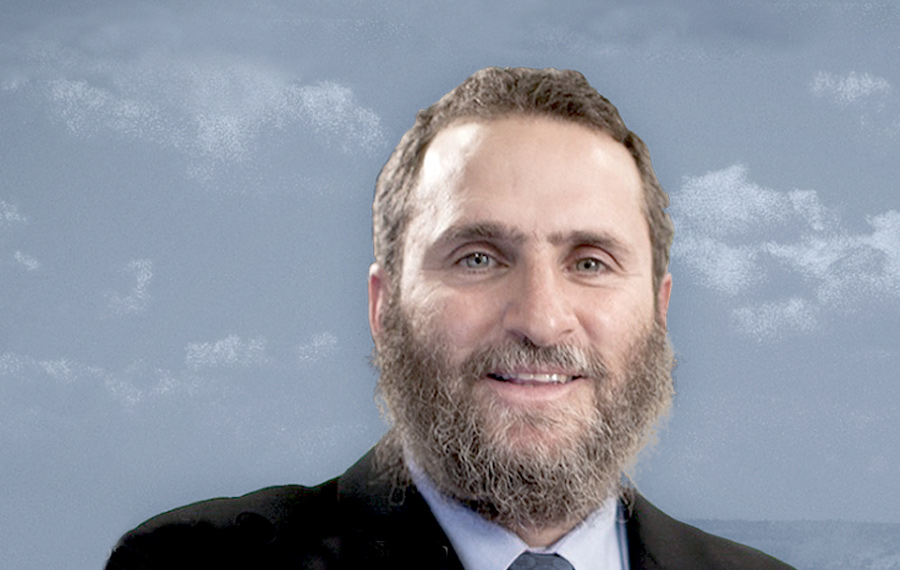
Rabbi Shmuley Boteach

Rabbi Shmuley Boteach
The outspoken and prolific Rabbi Shmuley Boteach discusses “How to Find the Right Match and Sustain a Good Marriage,” as part of the Sephardic Temple’s Distinguished Speaker series. 7:30 p.m. $18 temple members, $26 general. Sephardic Temple Tifereth Israel, 10500 Wilshire Blvd., Los Angeles. RSVP to melissa@sephardictemple.org or (310) 475-7000.

The High Cost of Jewish Education
Three experts on education discuss a topic of frequent concern in the Jewish community: “The High Cost of Jewish Education.” Speakers are Gil Graff, executive director of the Bureau of Jewish Education; Scott Goldberg, an authority on benchmarking in Jewish education; and Rabbi Joshua Spodek, head of school at YULA Girls High School. Beth Jacob Congregation member, writer and day school parent Abigail Shrier moderates. 7:30–9 p.m. Free. Beth Jacob Congregation, 9030 W. Olympic Blvd., Beverly Hills. (310) 278-1911.


Have an event coming up? Send your information two weeks prior to the event to ryant@jewishjournal.com for consideration. For groups staging an event that requires an RSVP, please submit details about the event the week before the RSVP deadline.

What’s Happening: Dance Party, Jewbadours, ‘Inheritance’ Author Read More »

‘Guardians’ 80th, Canadians, Sundance Shabbat

The Guardians of the Los Angeles Jewish Home celebrated its 80th anniversary on Jan. 26 at the Hollywood Palladium.

The event, dubbed “1938: A Comedy Night for the Ages,” honored Michael Koss, who established Koss Real Estate Investments in 1971; and presented the Ambassador Award to Josh Flagg, a reality television star and real estate agent. 

Koss, who specializes in the acquisition and development of commercial real estate, has been a supporter of the Guardians for 25 years and is a former board member of the organization. Flagg, who has a starring role on Bravo’s “Million Dollar Listing Los Angeles,” serves on the Guardians’ executive board.

The event drew more than 650 attendees and raised over $630,000, said Jessi Cazary, manager of the Guardians.

Tony Berns, Marilyn Freeman, Zane Koss and Peter Steigleder chaired the event. Richard Ziman served as honorary chair. 

The mission of the Guardians is to provide financial support for seniors and needy members of the Jewish community served by the Los Angeles Jewish Home, through residential and community-based programs. The organization was founded in 1938 by a handful of volunteers.


Daniella Alkobi, vice president of Marino. Photo courtesy of of Marino

Marino, a strategic communications and public relations firm based in New York with an office in Los Angeles, announced the promotion of Daniella Alkobi to vice president, on Jan. 23.

Alkobi, who joined the firm in 2012, has handled accounts including American Friends of Tel Aviv University, which raises funds and awareness for the educational institution.

“Daniella has been instrumental in the build-out of our Los Angeles office and California presence,” said John Marino, the company’s president. “Her incredible work ethic has been invaluable to our agency as she continues to elevate our clients to new levels of visibility.” 

Alkobi, 32, received her bachelor’s degree in communications and professional writing from UC Santa Barbara. A San Francisco native, she resides in Ventura with her husband, Sagi Alkobi, and their son, Mason. 


Philanthropist Julie Bram enjoys the traveling exhibition, “The Canadian Jewish Experience,” in Beverly Hills. Photo courtesy of Sharon Krischer

More than 40 people gathered Jan. 13 at the Beverly Hills home of Sharon and Joel Krischer to view the traveling exhibit, “The Canadian Jewish Experience,” curated by Tova Lynch, an immigrant member of the Ottawa, Ontario, Jewish community.  

The exhibit, created to celebrate the 150th anniversary of Canada in 2017, honors Jews who made contributions to the building of the country. Nine panels cover Jewish contributions to government, the legal system, business, architecture, sports, the arts, pop culture and other aspects of Canadian life. 

Speakers at the gathering included Consul General of Canada in Los Angeles Zaib Shaikh; Jewish Journal Publisher and Editor-in-Chief David Suissa, who spoke about his life after emigrating to Montreal from Morocco; and Lynch. Attendees included local Jewish philanthropist Julie Bram.

The exhibition acknowledges the challenges faced by Jews in Canada, specifically immigration barriers and prejudices targeting Jews in the 1960s, while recognizing the growth of the Jewish community that today counts nearly 400,000 people living in all the provinces and territories, with particular concentrations in Toronto, Montreal, Winnipeg and Vancouver.

“All Canadians take pride in our 150th anniversary, but Jewish citizens celebrate with a special appreciation,” the exhibit’s website says. “Canada’s peoples come from many backgrounds and religions. Our spirit of tolerance and diversity helps cultural communities thrive within the mosaic.” 

Lynch worked with her husband, Jim Lynch, a former diplomat, as well as a team of volunteers, in creating the exhibition. 


Students at the Berkeley Institute for Jewish Law and Israel Studies. Photo courtesy of Berkeley Institute for Jewish Law and Israel Studies at UC Berkeley  

The Rosalinde and Arthur Gilbert Foundation of Los Angeles has awarded the Berkeley Institute for Jewish Law and Israel Studies at UC Berkeley a $1 million matching grant toward the institute’s goal of building a $10 million endowment by 2024.

According to the Jan. 23 announcement of the grant, the Berkeley Institute’s endowment campaign has also received grants totaling nearly $2 million from the Koret Foundation and the Jim Joseph Foundation. 

“We’re issuing a challenge to other funders who care about proven campus models for engaging students around the study of Israel and Jewish identity in the modern world,”  Gilbert Foundation trustee Martin Blank Jr. said in the announcement. “This is an exciting endeavor, and we hope others join us in this cause.” 

The Berkeley Institute houses two programs: the Berkeley Program on Israel Studies and the Berkeley Program on Jewish Law, Thought and Identity. 

The institute, which was launched in 2011 and has a faculty of 22 members hailing from a variety of academic disciplines, allows students to integrate Israel studies throughout different campus departments, courses and programs; and to complement Jewish studies’ traditional focus on history and literature with a range of classes engaging Judaism from different vantage points. 

The Rosalinde and Arthur Gilbert Foundation supports a variety of academic programs at UC Berkeley and UCLA, including a monthly colloquium at the Berkeley Institute for presentations and discussions related to Israel and Judaism.

Dawne Bear Novicoff, chief operating officer of the Jim Joseph Foundation, said the Berkeley Institute has transformed the possibilities for Israel study at UC Berkeley.

“The strong desire for rigorous academic engagement with Israel at Berkeley is undisputed now,” Novicoff said. “Each year, the Institute offers even more to students, contributing to an Israel studies landscape that is completely transformed compared to what it was seven years ago. With its proven model, the Institute can work to ensure its future viability and long-term impact.”


At the Sundance Film Festival, Peter Yarrow of the folk music trio Peter, Paul and Mary dropped by the Shabbat Lounge and reminisced about the 1960s. Photo by Emily McLean

Rabbi Yonah Bookstein and Rebbetzin Rachel Bookstein of Pico Shul in Los Angeles held a Shabbat dinner and other programming at the Sundance Film Festival in Park City, Utah, on the weekend of Jan. 25–27.

Among those who came to the Shabbat Lounge, organized by the Shabbat Tent and the Chai Center, were Peter Yarrow of the folk music trio Peter, Paul and Mary; sex therapist Dr. Ruth and rapper Kosha Dillz. Attendees enjoyed a Friday night dinner while meeting and networking with film industry leaders and enthusiasts from around the world. 


Want to be in Movers & Shakers? Send us your highlights, events, honors and simchas.
Email ryant@jewishjournal.com.

‘Guardians’ 80th, Canadians, Sundance Shabbat Read More »

New Report Details Pro-BDS NGOs’ Ties to Terrorism

A new report from the Israeli Ministry of Strategic Affairs details how several NGOs that support the Boycott, Divestment and Sanctions (BDS) movement have ties to Palestinian terrorist organizations.

According to the report, both Hamas and the Popular Front for the Liberation of Palestine (PFLP) highlight the Palestinian terror groups that “have infiltrated and adopted seemingly benign NGOs in the Palestinian Authority, Europe, North America and South Africa, for the purpose of advancing their ideological goal: the elimination of the State of Israel.”

“Convicted terrorist operatives who have served prison sentences currently hold senior positions in NGOs which delegitimize and promote the BDS campaign against Israel,” the report states. “In these positions, they recruit fellow terrorist operatives to their NGOs. Israeli courts have determined that some of the terrorist operatives listed in this report pose a concrete security threat.”

The report adds that these terror groups are using NGOs as a way to provide “legitimacy” to their cause.

“To our understanding, terrorist organizations hope that in this way, they will co-opt civil society to push their governments to place pressure on Israel, with the aim of curtailing its military and economic freedom of action,” the report states. “Moreover, from the perspective of the terrorist organizations, building ties with civil society in the West creates an opportunity for receiving financial aid, which they could not otherwise receive due to sanctions imposed on them by Western countries.”

One such organization is the Palestinian BDS National Committee (BNC), which is “the umbrella organization” of “the worldwide BDS campaign,” that includes 28 Palestinian NGOs. BNC’s top coalition is the Palestinian National and Islamic Forces (PNIF), an organization that has senior officials from Hamas and the PFLP in its membership.

For instance, Ismail Radwan is the PNIF’s Hamas representative; he once referred to Jews as “apes and pigs,” according to the report.

The report’s findings on the BNC and its coalitions seemingly buttresses a Tablet report from June highlighting the BNC’s ties to terror.

The Strategic Affairs Ministry report also discusses the “significant ties with the PFLP” in the Addameer NGO that provides advocacy to Palestinian prisoners, seemingly confirming NGO Monitor’s similar reporting on the matter. Addameer took part in an August event on Barnard College’s campus.

Other NGOs highlighted in the report include the Palestine Solidarity Campaign, top NGO in Europe, that “has ties to Hamas operatives such as Muhammad Sawalha and Zaher Birawi” and the Palestinian Return Centre, whose conferences have featured speeches by Hamas leader Ismail Haniyeh by phone and video.

Sawalha was part of Hamas’ Political Bureau from 2013-17; Birawi has been involved in Hamas’ flotillas against Israel, according to the report.

“Terrorist groups and the anti-Israel boycott campaign have united in their goal of wiping Israel off the map,” Israeli Strategic Affairs Minister Gilad Erdan said. “Terrorist groups view boycotts as a complementary tactic to terror attacks. Following the exposure of over 100 links between terrorist groups and leading BDS organizations, I urge all governments and financial institutions to investigate the activities of these BDS organizations, and immediately end all funding and support which they provide to them.”

New Report Details Pro-BDS NGOs’ Ties to Terrorism Read More »

Chef Lior Hillel Puts Openness, Hospitality on Menu

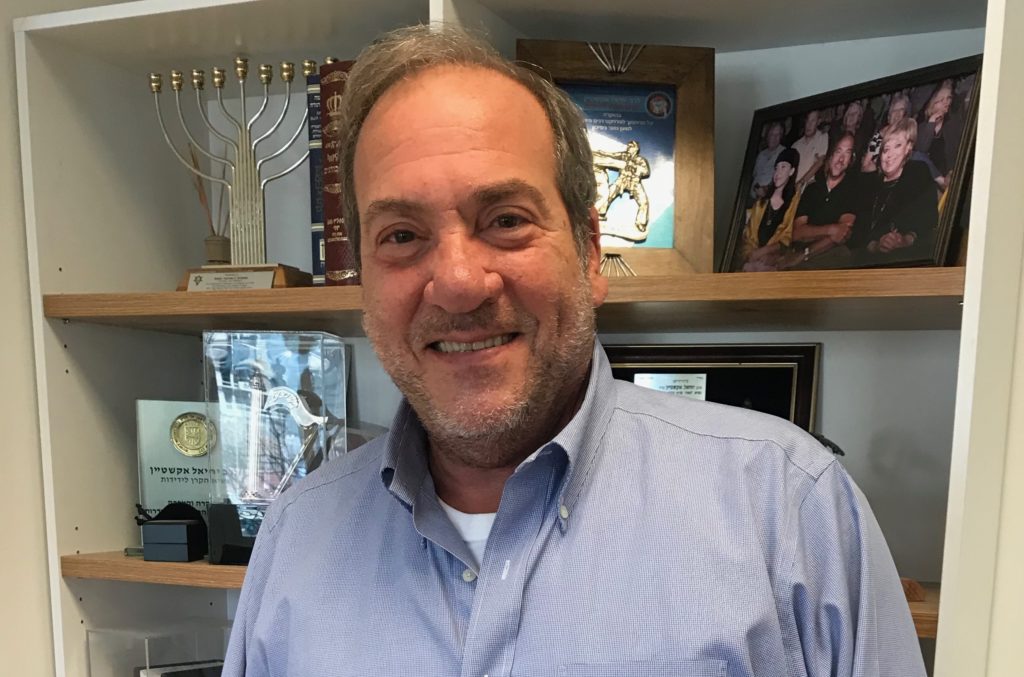
Chef Lior Hillel is the successful co-owner of several popular restaurants. He and his partners, Robert and Danny Kronfli, recently renovated and updated their old restaurant, Bacaro LA, reopening it as Bacari West Adams. Although he’s been openly gay for years, Hillel struggled with coming out, and his experiences in restaurant kitchens were not always positive. Because he doesn’t want others to go through similar challenges, he ensures that his restaurants foster an environment of acceptance and nondiscrimination. Born and raised in Israel, Hillel has a well-regarded, established culinary presence in Los Angeles.

JewishJournal: You moved from Israel to the United States is 2005. Was that for professional reasons?

Lior Hillel: Partially. At the time, being gay in Israel was somewhat difficult. My dad was sick and the decision was made not to let him know — to keep it under wraps. So, part of the decision to move was to advance my career, but also so that I could live life to the fullest. 

JJ: How was the culinary experience different here?

LH: It’s less restrictive. It was a dream of mine to go to Le Cordon Bleu in Pasadena and work with ingredients that didn’t have kosher dietary restrictions. It was profound to my development as a chef. 

JJ: How difficult was it to adjust to living in America?

LH: It did not feel natural at first. As an Israeli, I was used to being around family. Family is your safety net and they keep you from falling through the cracks. I had parents, siblings and other family back in Israel. But I had one brother in Pasadena, and I wouldn’t have moved here if he wasn’t here. The transition was difficult and challenging. 

JJ: When did you decide to be more open with your family about your sexuality?

LH: The secret was buried in 2009 when my father died. I confessed over an open grave right before they put the soil on. I confessed and completely buried that secret. I knew that I didn’t bring any shame to my family. 

JJ: You got married in Israel. What was that like?

LH: It was beautiful. My brother was a little apprehensive at first, but he melted a little when he saw the ceremony. He knew it was special. It was intimate and full of love. It embodied the Jewish traditions that I connect with, such as respect for others and having good values. From that foundation, you can do whatever you want, but you need to have that basic human decency. 

“It did not feel natural at first. As an Israeli, I was used to being around family. Family is your safety net and they keep you from falling through the cracks.”

JJ: Did you consciously decide to become an advocate for LGBTQ people in the restaurant industry?

LH: It’s something that evolved over time. I got involved in the ROI community (an international network of Jewish change makers/innovators/entrepreneurs in their 20s and 30s). I wasn’t always treated well throughout my career in kitchens. I was humiliated, put down. There were times when my work was sabotaged. When I got into a position of power or privilege, I knew I wanted to offer a place to work that accommodates the needs of others. If I can make someone’s life easier or smoother, I will definitely do so. Also, part of being Jewish is providing for others, just like some people did for me on some occasions. 

Interior of Bacari W. 3rd

JJ: What role does your Judaism play in your life?

LH: I’ve been questioning the religion part because we’ve lost a lot of family members due to cancer. I’ve been wondering why God is allowing this to happen. But I don’t question the values or culture. I embrace the traditions and values fully. My husband, Zachary, is not Jewish, so we have discussed how we will handle having kids. 

JJ: What type of food do you serve at your new restaurant?

LH: The food is Mediterranean. When I joined the restaurant group in 2008, I put more of my imprint on the menu. What we have today is an emphasis on fresh, small plates. It’s almost like we’re taking people on a Mediterranean tour. We also have some American dishes. We’re known for using fresh, mostly local ingredients that are full of flavor. I like well-rounded dishes with an acid component, spices, crunch and colors. 

JJ: Your business partners are Lebanese. What commonalities do you have that make it a good partnership?

LH: It’s interesting, because we eat the same foods, like the same flavors and have the same type of cooking. We were also raised in many similar ways — things like respecting your elders and having a strict upbringing. 

JJ: What kind of experience can guests expect at your restaurant?

LH: They will be treated with great hospitality. This applies to everything from the food to customer service. We treat our guests like they walked into our house. This is a part of Mediterranean hospitality. 


Allison Futterman is a writer based in North Carolina.

Chef Lior Hillel Puts Openness, Hospitality on Menu Read More »

Remembering Yechiel Eckstein

There is nothing quite like walking through a jetway to or from an El Al plane at Ben Gurion International Airport and seeing poster after poster lining the passage touting the work of the International Fellowship of Christians and Jews — nearly every banner featuring larger-than-life photos of Rabbi Yechiel Eckstein.

My daughters and I have joked for years that those posters surprised us during each visit to Israel any of us took. I knew Eckstein for more than 25 years — since the early days of the Fellowship, when he lived in Chicago; we often would meet when he visited New York. Although I shared his critics’ reservations about accepting millions of dollars from evangelical Christians whose motivation was, Eckstein insisted, to follow the passage in Genesis in which God tells Abraham, “I will bless those who bless you,” thinking Christians did so because of their eschatological and geopolitical beliefs, I was very fond of him.

Since he founded the Fellowship in 1983, Eckstein and his organization raised more than $1.6 billion, according to a statement the group issued Feb. 6, after he died of apparent cardiac arrest at age 67 in his home in Jerusalem.

Eckstein was as excited as a schoolboy while he planned to make aliyah, which he did in 1999. I remember meeting with him in the offices of JTA, where I worked then, and being charmed and touched by his heartfelt enthusiasm. For Eckstein, who was an ordained Orthodox rabbi, it was the fulfillment of a lifelong dream.

I watched his organization grow from startup to behemoth, as his (perhaps justified) sense of importance grew proportionately. But somehow, it always seemed to me, his unbridled enthusiasm for his work made him a charming guy with a down-to-earth quality that he
never lost.

His daughter Yael, who is the Fellowship’s global executive vice president, is expected to continue his work.

Eckstein pioneered soliciting donations from Christians for the benefit of Jews by broadcasting late-night television commercials that still seem ubiquitous if you watch TV in the wee hours, and often aired on Christian radio stations. In marketing the Fellowship, Jews are portrayed as poor and needy. Eckstein asked for his Christian viewers’ donations to support Holocaust survivors and those living in the former Soviet Union. The Jews portrayed aren’t brawny sabras, Israel Defense Forces veterans or startup geniuses creating tech to sell to the world’s major app or software companies. Jews in his marketing campaigns are babushka-wrapped, wizened, old people freezing in the former Soviet Union. You can see his TV ad here: ifcj.org/tv.html.

He was the face of Jewry to much of the American evangelical Christian community — the only Jewish figure some would ever “meet,” through his television ads and appearances on the Christian Broadcasting Network. And he cut an appealing figure, with a blend of boyish looks and sincerity. The Fellowship’s website (ifcj.org) includes a variety of educational material geared toward Christians, about Jewish holidays, the Holocaust and angels.

Eckstein had the unique ability to bridge the Jewish and evangelical worlds, because he spoke the language of both. He moved easily from talking about a sense of being called to bless others, to using that combination of Hebrew and English slang specific to Anglo immigrants to Israel while expressing frustration with Jerusalem’s municipality, for instance.

At one point, Eckstein was funding the aliyah of more immigrants than the Jewish Agency was, and he wanted recognition that the Israeli establishment was loath to give. So he broke away and started his own aliyah program, filling planes with new immigrants.

When my daughter Aliza and I visited Eckstein just over a year ago at the Fellowship’s headquarters in Jerusalem, he was eager to tell me about the many programs his work was funding around Israel as well as in the former Soviet Union — ranging from soup kitchens to day activity programs for impoverished senior citizens and the disabled just across the street from his office. He would regularly visit to give hands-on help at that center, he said.

For all my unease with Eckstein’s closeness to people like Rev. Pat Robertson and Rev. John Hagee, whose views on things such as abortion and the civil rights of minority groups, as well as Israel’s hoped-for peace process, are diametrically opposed to mine and those of most American Jews, I couldn’t help but be impressed with the work he was doing, funding programs for the needy that Israel’s government didn’t.

Within minutes of meeting my daughter, Eckstein had given us two autographed copies of his biography and offered Aliza, who was in Jerusalem for a gap year between high school and college, an interesting-sounding internship. That was Eckstein — both his ego and his generosity could be on display in the same moment.

Eckstein was larger than life. He had tremendous and enthusiastic energy for his work and a sincere belief that he was repairing the world. And although I felt uneasy about the motivation and influence of some of the people he considered his closest allies in the work, one thing was clear to me: He was unwavering in his faith.
He will be missed.


Debra Nussbaum Cohen writes from New York for Haaretz and is a contributing editor at The Forward. 

Remembering Yechiel Eckstein Read More »

Annexation Is a Pernicious Issue for Israel

Modern Israel has been a remarkable unifying force for American Jewry. Sadly, the subject of Israel and most discussions about Israeli policies today have become deeply divisive. In some instances, these debates have cost friendships and silenced organizations and Jewish leaders from engaging in conversations around Israel.

There is an issue, however, around which most Jews can coalesce — the potential annexation of portions or all of Judea and Samaria, the West Bank. This poses a threat to Israel’s future as a Jewish and democratic state, which should concern all Jews.

Various proposals for annexation of portions or all of the territory are currently on the Israeli political agenda. Advocates of these proposals are not bashful about their intent to pass such legislation during the next government. This is a result of Israeli coalition politics whereby a minority political party can demand support of a policy as a condition for its participation in the governing coalition. 

Yet, contrary to common understanding, a just-released poll by The Institute for National Security Studies shows that only 25 percent of Israelis support some form of annexation. However, the majority opposing annexation do not view this issue as a priority, while its passionate advocates do.

The ideological controversy over borders mirrors historic debates about “Greater Israel.” For over 100 years, there have been passionate debates within the Zionist movement about the required borders of the Jewish state — the entirety of biblical Israel or only those areas with majority Jewish population. In debates over whether to support the United Nations partition resolution in 1947, the consensus position favoring a Jewish state separate from an Arab state prevailed over advocates who embraced the Greater Israel position, enabling the Zionist enterprise to succeed dramatically with the formation of modern Israel. Similarly, the agreement to cede territory to Egypt at Camp David prevailed over fierce opposition, leading to four decades of peace, which continues to be maintained.

Defeat of current annexation proposals is essential to preventing a cascade of extremely serious political, security and economic consequences. Many of the proposals seem deceptively innocuous, promising to annex unpopulated territory,  not Palestinians. The consequences of these proposals would likely produce dire long-term and short-term consequences. Advocates of this “luxurious” (no cost) annexation proposal pretend this action will not trigger reactions. They are wrong.

There is a strong consensus among security experts that annexation, even on a small scale, would upset the fragile balance with the Palestinians. For example, territory annexed in all the proposals would eliminate contiguity for areas controlled by the Palestinian Authority (PA), which is essential for transit from one area to another. This arrangement would likely lead to the termination of security cooperation and/or the collapse of the PA. As a result, the Israel Defense Forces would be required to re-enter and take over all of Judea/Samaria and assume responsibility for its millions of Palestinians.

This would have a severe impact on Israel’s security and economy, while also burying any possibility of an ultimate resolution separating the parties to the conflict. The multiple billions of dollars in security and public services expenditures for control of the territories alone would cripple the Israeli economy, and international sanctions or loss of investment would add to the blow.

Israel has made tremendous strides in its relations with many of its Arab neighbors, creating the opportunity for a different Middle East, which might eventually include a solution to the Israel-Palestine conflict. Proposed annexation moves would give potentially friendly powers in the region little choice but to abandon this hopeful path. Public outrage in the Arab countries would very likely result in termination of existing limited cooperation. Iran would have a potent public weapon against its Sunni enemies. American groups opposing boycott, divestment and sanctions (BDS) would be severely disadvantaged. While annexation consequences would far exceed BDS as a threat, they also would make its success substantially more likely.

Internationally, severe diplomatic, financial and legal problems would likely result. Although the current U.S. government might not initially object, reaction from the European Union might well include concrete measures, including political, economic and arms supply sanctions. Russia and China might well join in opposing Israel’s actions. The international community, assuming abandonment of any possibility of an eventual two-state solution, would increase pressure on Israel to grant equal rights to all Palestinians. Thus, Israel would be faced with a tragic dilemma — either the loss of its dominant Jewish character and becoming a secular, democratic state; or denying Palestinians equal rights and losing its standing and character as a democratic nation.

Annexation initiatives have galvanized a strong nonpartisan effort to defeat these measures. Notable among them is the Commanders for Israel’s Security, a network of almost 300 former senior leaders of the IDF, Mossad, Shin Bet and police that has conducted extensive research on the subject, illustrating the immediate and existential threat. Each political party campaigning for election should be encouraged to publicly commit not to enter a government unless the coalition agreement opposes annexation or permits it a veto. In this way, the consensus opposing annexation can prevail in a nonpartisan way.

Only by preventing annexation can Israel retain its strategic security, flexibility and future options while insuring against a required choice between being a Jewish or democratic state.


Ed Robin is a board member of the Israel Policy Forum. Steven Windmueller is the Rabbi Alfred Gottschalk Emeritus Professor of Jewish Communal Service at the Jack H. Skirball campus of Hebrew Union College-Jewish Institute of Religion in Los Angeles.

Annexation Is a Pernicious Issue for Israel Read More »

Save Space — and Money — With These Organizing Hacks

If you’ve been on a reorganizing kick, either because of a New Year’s resolution or you’ve been binge-watching “Tidying Up With Marie Kondo” on Netflix, here are some easy ways to manage the clutter in your home by repurposing some used objects you may have around. 

Tissue box bag holder
Although supermarkets don’t give out free plastic bags anymore, I know many of you still have drawers full of them at home. (I’m talking to you, Mom.) Keep them manageable and compact by stuffing them in an old tissue box, and your bags are ready to dispense when you need one.


Cake stand organizer
Free up valuable counter space by storing items on a cake stand. You can place items on the platter and beneath it. What a beautiful way to display makeup in the bathroom, or spices in the kitchen.


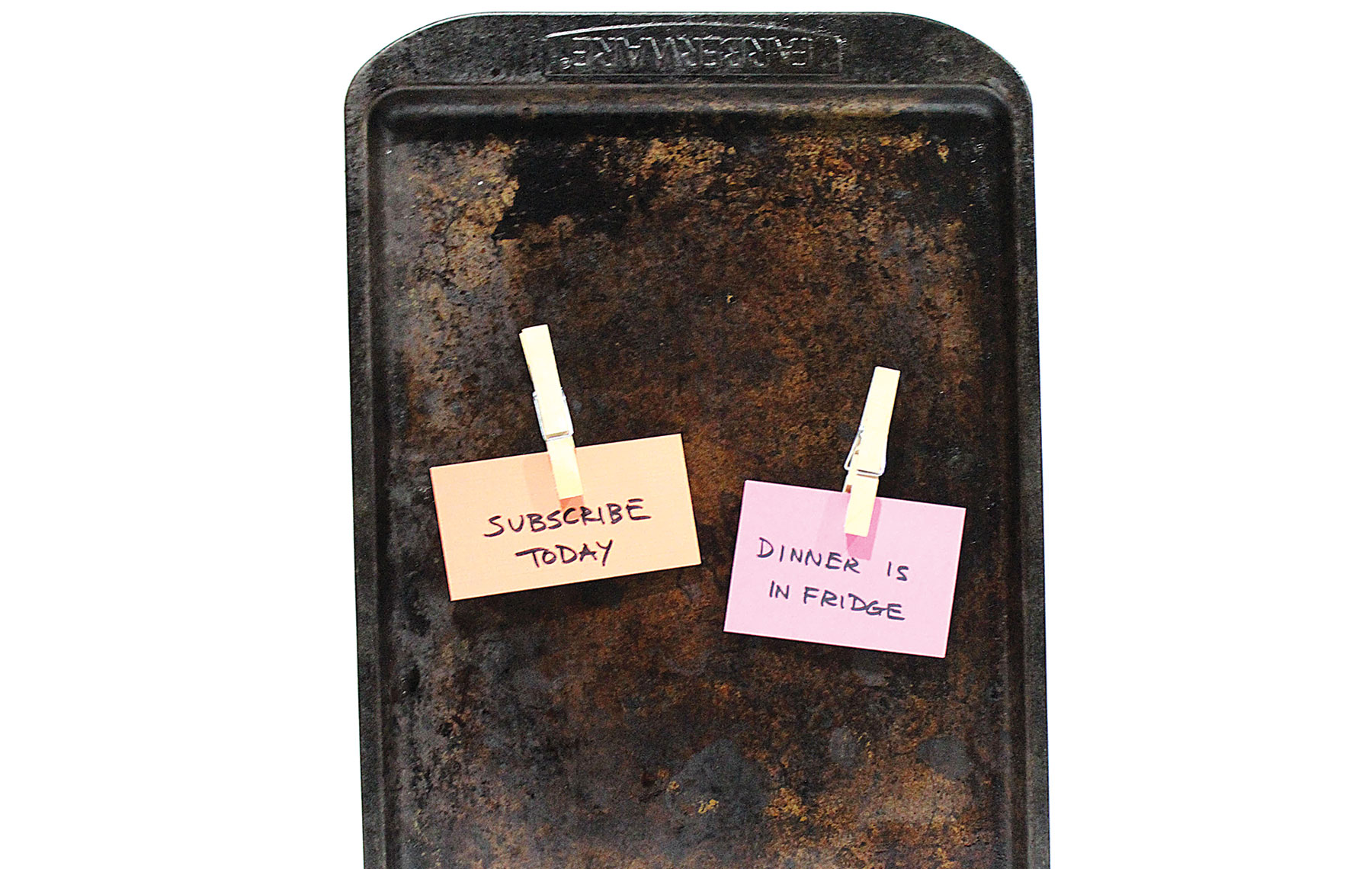
Baking sheet message center
Use an old baking sheet as a message or bulletin board, as magnets hold onto the metal perfectly. Don’t worry if the pan is stained with layers of baked-on grease. The mottled patina is both gorgeous and homey.  


Muffin tin supply caddy
The multiple compartments in a muffin tin are great for keeping your office or craft supplies ready at hand. You can also line drawers with muffin tins to keep all your junk organized.


Cookie tin storage
I just cannot throw away tins. They make great storage containers for just about anything. Anyone who has used a Danish cookie tin as a sewing kit knows what I’m talking about. 


Jonathan Fong is the author of “Flowers That Wow” and “Parties That Wow,” and host of “Style With a Smile” on YouTube. You can see more of his do-it-yourself projects at jonathanfongstyle.com.

Save Space — and Money — With These Organizing Hacks Read More »

Simcha Rotem, Fighter in Warsaw Ghetto, 94

Simcha Rotem, who was among the last known fighters from the 1943 Warsaw Ghetto uprising, died Dec. 22 in Jerusalem after a long illness. He was 94.

Rotem, whose underground nickname was “Kazik,” helped save the uprising’s last survivors, smuggling them out of the ghetto through sewage tunnels. The Jewish fighters fought for nearly a month, managing to kill, according to German records, 16 Nazis — there may have been many more — and wound nearly 100, the Los Angeles Times reported.

“This is a loss of a special character since Kazik was a real fighter, in the true sense of the word,” Avner Shalev, chairman of the Yad Vashem Holocaust memorial in Jerusalem, was quoted in the Times. “The challenge for all of us now is to continue giving meaning to remembrance without exemplary figures like Kazik.”

Rotem was born Feb. 24, 1924, in Warsaw as Kazik Ratajzer. As a teenager, he was involved in the Zionist youth movement. His brother and his grandparents were killed in the German bombing, and his mother and he were wounded in early September 1939 as the Germans invaded Poland.

Ghettoized in 1940, he struggled to survive amid squalor, hunger and disease. One in 10 died in 1941 from malnutrition and epidemics. In early 1942, food and heating fuel became scarcer. 

The Treblinka death camp, situated along the Warsaw-to-Bialystok railroad line, opened on July 22, 1942, and from July 23 to Sept. 21, 265,000 Jews were deported to Treblinka. More than 99 out of 100 were killed upon arrival. Jews were sent to the Umshlagpatz, the deportation point, and from there to their death. There was no armed resistance. 

Rotem joined the ZOB, composed of Zionists and Bundists, and was assigned to be a courier traveling from the ghetto to the Aryan side, smuggling arms and information, and in doing so, mastered the sewer system pathways. 

“This is a loss of a special character since Kazik was a real fighter, in the true sense of the word.” — Avner Shalev

Jews fielded two resistance groups during the ghetto uprising. They were divided politically between right-wing revisionist Zionists and left-wing Zionists and Bundists. The ZOB decided to fight to the death, which began on April 19, 1943.

On the first day of fighting, the Germans met the uprising in full force. After several days of fighting, the Jewish resistance fighters turned to Rotem as a leader. Some believed whoever was familiar with the sewer system became essential.

Rotem returned to the ghetto, once the home of almost 400,000 Jews, believing he was the last Jew alive. Prepared to die, he met about 80 of the fighters.

Rebels took to the sewers with Rotem as their guide. The Nazis decided to burn the ghetto block by block, and when they learned that some Jews had escaped through the sewers, they welded close the sewer covers, threw gas into the sewers or flooded them. With time running out, survival hinged on Rotem, just 19 years old. He knew he couldn’t wait for everyone, and had to choose who would live and who would almost certainly die.

Antek Zuckerman, the highest-ranking commander of the Warsaw Ghetto uprising, survived, as did Zivia Lubetkin, who became Rotem’s wife, and who with him eventually helped found the Warsaw Ghetto Fighters’ Kibbutz and the museum. Marek Edelman, who remained in Poland and became a cardiologist and a leader of the Solidarity movement, also survived.

Rotem later joined the Bricha movement, the effort to bring Jews across the Polish border into American-occupied Germany after the war. As a result of Bricha, thousands of Jews became citizens of Israel and the United States, rather than having to live behind the Iron Curtain.

Rotem’s parents and one of his sisters survived the war in hiding. He immigrated to Palestine in 1946.

In Israel, he became a supermarket executive; his deeds during the war remained relatively unknown until director Claude Lanzmann filmed him for the documentary “Shoah” (1985).


Michael Berenbaum is director of the Sigi Ziering Institute and a professor of Jewish Studies at American Jewish University.

Simcha Rotem, Fighter in Warsaw Ghetto, 94 Read More »

Obituaries: Feb. 8, 2019

Helen Berman died Dec. 18 at 91. Survived by sons Paul, Marc Jay (Kim), Robert. Hillside

Doris Brownstein died Dec. 19 at 90. Survived by daughters Debby, Diane (Dennis); son Don; 5 grandchildren; 4 great-grandchildren; brother Paul (Celia). Hillside

Rose Chodorow Garfield died Dec. 15 at 100. Survived by daughter Carol Chodorow; sons Dennis (Kurtina) Chodorow, Ronald “Ronnie” (Maria Shepherd) Chodorow; 8 grandchildren; 12 great-grandchildren; brother Leonard “Dick” (Arlyne) Franklin; daughter-in-law Susan. Mount Sinai

Terry Michael Cohen died Dec. 13 at 64. Survived by daughter Nicole (Justin) Trish; son Joshua (Alison); 5 grandchildren; sister Lynne Penny (Melvin) Levine. Mount Sinai

Richard Comras died Dec. 18 at 89. Survived by wife Jacqueline; son Lawrence; sister Shirley Shapiro. Mount Sinai

Timothy Corcoran died Dec. 19 at 75. Survived by wife Karyn; daughters Anastasia (Ed), Tiffany, Nadia (Sal); 4 grandchildren; brothers Peter (MaryCarol), Eugene (Joy). Hillside

Donna Dietz died Dec. 18 at 59. Survived by husband Andrew; daughters Sarah (Aleksander), Emily; mother Florence; sister Linda; brother Mitchell. Hillside

Morrie Greenberg died Dec. 15 at 94. Survived by daughter Susan (Craig) Klivans; son Richard (Renee); 3 grandchildren. Mount Sinai 

Richard Jeffress died Dec. 14 at 74. Survived by wife Sharon; daughters Lisa Yakir, Michelle Parry, Renee Blutreich; 2 grandchildren. Mount Sinai

Samuel B. Kaminsky died Dec. 16 at 75. Survived by wife Arlene; daughters Michelle (Ron) Salts, Lisa (Jason) Bowling; 4 grandchildren; sister Mary Ulrich. Mount Sinai

Donald Katz died Dec. 17 at 90.  Survived by daughter Debra; son Jeffrey (Jo-ann); 4 grandchildren. Mount Sinai

Alice Ladanyi died Dec. 13 at 89. Survived by daughters Ilona Melzer, Lisa, Debi (Carlos) Miranda; son Stephen; 1 grandchild; brother Albert (Ceil) Mirsky. Mount Sinai 

Robert “Bob” Mann died Dec. 17 at 95. Survived by wife Janet; daughters Marcie (Don) Croutch; step-daughters Cary (David) Sommers, Melanie (Jonathan) Sommers, Valerie Sommers; son Joe; 9 grandchildren; 3 great-grandchildren. Mount Sinai

Elaine Margules died Dec. 22 at 86. Survived by daughter Lori; sons Michael, Dan; sister Pauline (Howard) Morrison. Mount Sinai

Alan Miller died Dec. 19 at 78. Survived by son Randy; 4 grandchildren; brother Barry (Jonas Soto). Mount Sinai

Jeanne Morganstern died Dec. 14 at 91. Survived by sons Barry, Charles; 1 grandchild. Mount Sinai 

Jean R. Moshin died Dec. 22 at 96. Survived by daughters Janet, Sandra; sons Daniel, Richard (Amber); sister Helen Myerson. Mount Sinai 

Mitchell Rose died Dec. 17 at 84. Survived by son Jeffrey (Elana); 2 grandchildren; brother David (Renee). Hillside 

Dolores “Dee” Schwam died Dec. 15 at 82. Survived by daughters Stacy (Stuart) Miller, Julie Feiner; sons Aaron Feiner, Craig (Laura) Feiner: 8 grandchildren; sister Alice Weber; brother Alex (Sue) Nobleman. Mount Sinai 

Lynn Shapely died Dec. 17 at 66. Survived by daughter Sara (Doug); 2 grandchildren; brother Michael (Tara). Hillside

Robert Silverman died Nov. 29 at 73. Survived by daughter Rachel (Jeremy) Catlett; brother Al. Mount Sinai

Albert Stein died Dec. 21 at 90. Survived by daughters Laura (Stephen) Olson, Sharon (Wayne) Frederick; 3 grandchildren. Mount Sinai

Samantha Stein died Dec. 17 at 38. Survived by husband Timothy; mother Sharlene; sister Leah; brother Brian. Hillside

Martin Wenger died Dec. 19 at 82. Survived by wife Rita; daughter Nancy (Doug) Brown; sons Neil (Claudia), Robert, Jamie (Carole); 12 grandchildren; sister Claire Weinsten; brother Alex (Bootsie). Mount Sinai 

Edith Wood died Dec. 18 at 103. Survived by daughter Linda; 3 grandchildren; 3 great-grandchildren; sister Evelyn. Hillside

Joel Peter Zeserson died Dec. 13 at 78. Survived by sons Robert (Lee), David; 2 grandchildren; brother Mark (Sherril); sister-in-law Ellen (Kenneth) Sears. Mount Sinai

Obituaries: Feb. 8, 2019 Read More »

Examining Orthodoxy’s Historical Aberrations and Bygone Eccentrics

“I believe with a full heart in the coming of the Messiah, and even though he may tarry, I will still wait for him.”

Maimonides wrote those words eight centuries ago in one of his 13 affirmations of the Jewish faith, but the Messiah still tarries. Some Jews, however, were not willing to wait. That’s the starting point of “Mavericks, Mystics & False Messiahs: Episodes from the Margins of Jewish History” (The Toby Press) by Rabbi Pini Dunner, a descendant of a distinguished rabbinical family that originated in Germany, an expert on antiquarian Hebrew books, and the spiritual leader of Beverly Hills Synagogue.

Some of the episodes in Jewish history that Dunner describes will be familiar to many readers — such as Shabbetai Tsvi, the 17th century charismatic messianic pretender who attracted followers all over the Jewish world before the Sultan of Turkey threatened to put him to death unless he converted to Islam, and Shabbetai promptly chose apostasy over martyrdom. Other incidents and characters, like the bitter struggle by Rabbi Yaakov Emden against Rabbi Yonatan Eybeschutz in Hamburg in the mid-18th century, will be more surprising. Dunner illuminates all of these dark corners of Jewish history in rich, lively and yet scholarly detail.

The unlikely story of Emden and Eybeschutz’s battle within Orthodoxy is a good example. Emden accused Eybeschutz of having secretly practiced Sabbateanism by, for example, inserting the name of the false Messiah into amulets that he provided to pregnant Jewish women. Dunner shows how the controversy was deeply rooted in the events and personalities of a mystical sect within Judaism that persisted long after the apostasy and death of Shabbetai Tsvi, and he re-creates the very moment when Emden opened and inspected an amulet that had been written by Eybeschutz, which revealed what Emden insisted was a single, coded word that betrayed Eybeschutz’s real beliefs.

“This word is made up of an acrostic using a cryptic code known as ATBASH, where an aleph is a tav, a beit is a shin, a gimmel is a reish, and so on,” Emden is quoted as saying. “What this word actually says is ‘King Messiah Shabbetai Tzvi.’”

The two contending rabbis excommunicated each other and each other’s followers, thus sparking what each of them regarded as a “holy war.” Remarkably, the hostilities reached far beyond the Jewish community and ultimately attracted the attention of the King of Denmark, who enjoyed sovereignty over the city where Emden had taken up residence. The litigation that surrounded these two rabbis, Dickensian in scale and scope, is painstakingly described by Dunner, who declares their battle a draw.

“In the final analysis, was Rabbi Yaakov right? Was Rabbi Yonatan really a Sabbatian? And if he was a Sabbatian, did he actually pose a danger to normative Judaism?” Dunner muses. “Both Rabbi Yonatan Eybeschutz and Rabbi Yaakov Emden, despite the vicious maĥloket [differences of opinion] that so scarred the last years of their lives, are considered two of the most prominent rabbinic luminaries to have graced us with their presence and scholarship in the early modern era.”

When do the differences that have always existed among the Jewish people go beyond healthy diversity and enter the realm of pathology?

Among the other stories from “the margins of Jewish history” that attract Dunner’s attention are a dubious Jewish mystic named Samuel Falk, who came to be known as “the Baal Shem Tov of London” in the late 18th century; “the Get of Cleves,” a dispute over the legitimacy of a Jewish divorce in Germany in the mid-18th century; the unlikely saga of a British lord who secretly converted to Judaism during the reign of King George III; and a forged copy of a cherished Haggadah first composed in the 16th century that helps to explain the origins of the tradition of a fifth cup of wine at the Passover seder. 

Dunner confesses that he is “fascinated by historical aberrations and drawn to bygone eccentrics,” which explains why his book is so compelling and sometimes even shocking. But he does not celebrate these outliers. Rather, he regards their existence as a caution against the diversity in Jewish belief and practice that exists in the modern world. 

“The fact that Shabbetai Tzvi existed and created such chaos in the Jewish world prompted responsible leadership in the Jewish world — people who had seen him in action and witnessed the chaos he had generated as it unfolded — to put up the guardrails and prevent such a disaster from happening again in the future,” Dunner writes.

One of the dangers that Dunner warns against is the fact that charisma can have a dark and dysfunctional side, which explains why Shabbetai Tzvi held such a powerful appeal for his followers. “Sometimes he was enthusiastically joyful, exuberant, and ecstatic, while at other times he was depressed, anxious, paranoid, and passive,” Dunner explains. “Today we recognize these wild mood swings as symptoms of acute manic depression, or bipolar syndrome….”

Dunner signals how seriously he takes the notion of Judaism with guardrails when he compares the revered Zionist leader Chaim Weizmann, who served as the first president of Israel, with “the debonair Hungarian-born trickster [Ignaz] Trebitsch-Lincoln,” who in the early 20th century converted to Christianity from Judaism and yet played upon his Jewish origins to promote his ultimately abortive career in politics, finance and espionage in England, Germany and Hungary. Both of them were raised in Orthodoxy, he points out, and both of them abandoned their traditional religious upbringings. Dunner acknowledges the fundamental differences between these two Jews, but he also insists they have similarities that he sees among all Jews who stray from Orthodoxy and reinvent themselves.

“As it turned out, Weizmann leveraged this guise for the benefit of his co-religionists and devoted his life to furthering the cause of Zionism — unlike Trebitsch, who was a narcissist and a scoundrel and did nothing for anyone but himself,” Dunner writes. “Nonetheless, the pathology is remarkably similar.”

Dunner’s choice of words is telling, and here is where we find one of the unsettling questions that he raises: When do the differences that have always existed among the Jewish people go beyond healthy diversity and enter the realm of pathology?

I suspect that at least some of Dunner’s readers may reach a different conclusion than he does, but he must be credited with urging all of us to consider the question in the first place.


Jonathan Kirsch, author and publishing attorney, is the book editor of the Jewish Journal.

Examining Orthodoxy’s Historical Aberrations and Bygone Eccentrics Read More »