
He told the actors: “Improvise
while I stand in the wings,
I’ll watch you with my hawk-like eyes
and use my scorpion stings
if you stray from the script too far,
but if your acting’s good
each one of you can be a star,
as I believe each should.”
And so they started to rehearse,
but since there was no script,
he, from the wings, began to curse
and made sure they were whipped.
If only they had had a text,
they said, while they were punished,
without a script they clearly vexed
him, and they were admonished.
“Continue,” he declared, though some
preferred to leave the stage;
he thought this was extremely dumb
and fell into a rage,
so most of them are acting still,
oblivious that what
they’re doing will not help them till
they understand the plot.
He hears some people who demand
enlightenment complain:
“How can we hope to understand
what he will not explain?”
but most are satisfied to play
their given roles without
a hint of what they ought to say,
or what it’s all about.
Inspired by a chapter in a book by Yochanan Muffs (“Love and Joy: Law, Language and Religion in Ancient Israel,” Harvard University Press, 1992, 9-48). Muffs, was delighted by this poem when my sister Esther Gottstein in Jerusalem showed it to him, writes: (45-6):
Once there was a great playwright, the cosmic Shakespeare….. What He did was to give the actors chapter headings and allow them (He did not demand it of them) to improvise that which was not spelled out, interpret the ambiguous and translate the hints into sentences and chapters. He promised them that He would always be in the wings of the stage, and if they departed too radically from the script, He would set them on the right path by means of hints delivered by his agents. The play has begun, the actors have appeared, and the dramatist still haunts the wings of the theater, desperately worried about the fate of his play (Yochanan Muffs 6).
I recalled this poem on 10/30/20, after making this hiddush:
Gen. 14:1-2 states:
א וַיְהִי, בִּימֵי אַמְרָפֶל מֶלֶךְ-שִׁנְעָר, אַרְיוֹךְ, מֶלֶךְ אֶלָּסָר; כְּדָרְלָעֹמֶר מֶלֶךְ עֵילָם, וְתִדְעָל מֶלֶךְ גּוֹיִם. 1 And it came to pass in the days of Amraphel king of Shinar, Arioch king of Ellasar, Chedorlaomer king of Elam, and Tidal king of Goiim,
ב עָשׂוּ מִלְחָמָה, אֶת-בֶּרַע מֶלֶךְ סְדֹם, וְאֶת-בִּרְשַׁע, מֶלֶךְ עֲמֹרָה; שִׁנְאָב מֶלֶךְ אַדְמָה, וְשֶׁמְאֵבֶר מֶלֶךְ צְבֹיִים, וּמֶלֶךְ בֶּלַע, הִיא-צֹעַר. 2 that they made war with Bera king of Sodom, and with Birsha king of Gomorrah, Shinab king of Admah, and Shemeber king of Zeboiim, and the king of Bela–the same is Zoar.
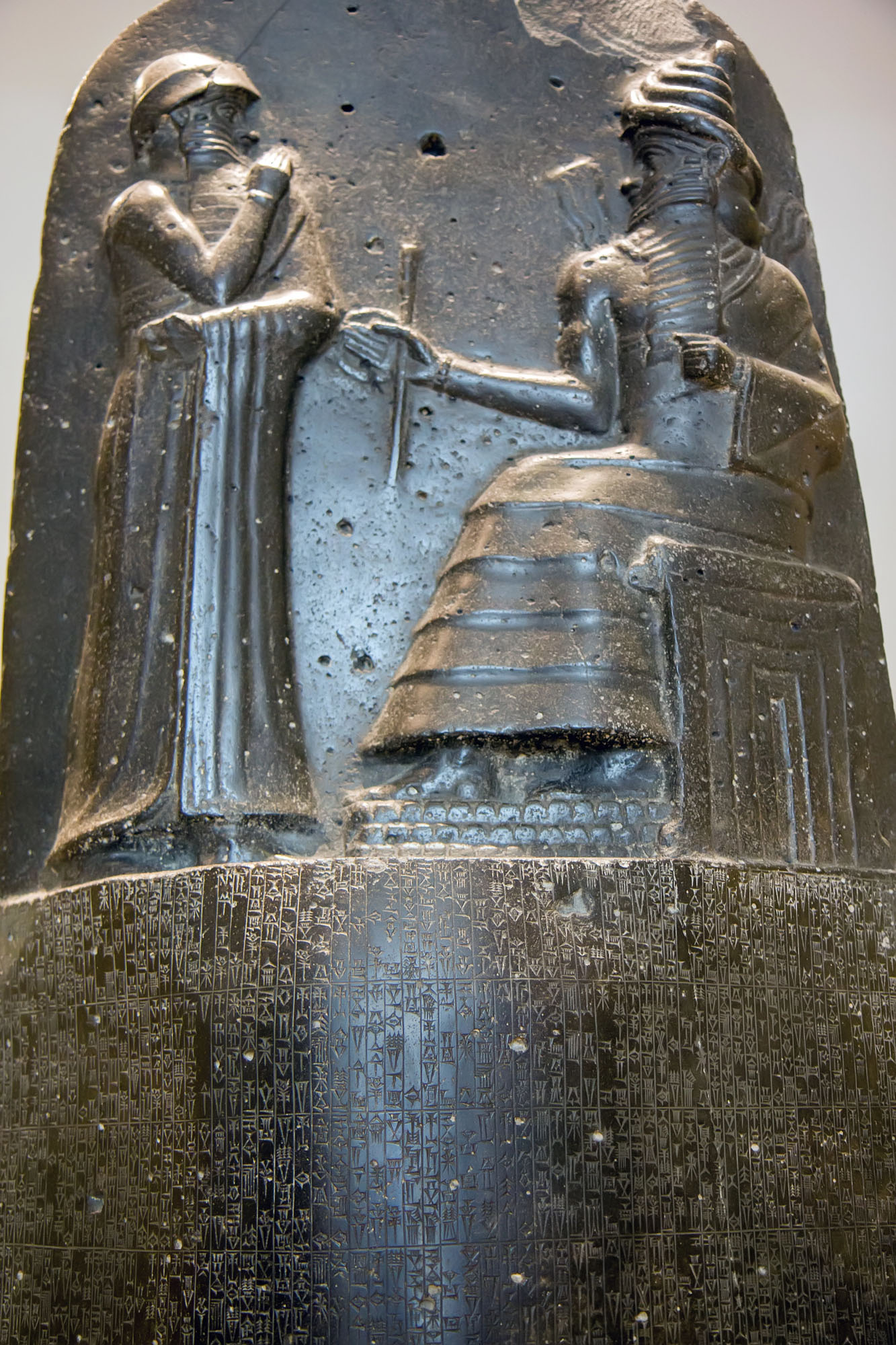
The name of “Shemeber” provides a pro-Semitic transformation of that of “Hammurabi”, whose untransformed name implies that he was Hamitic, while the name’s transformation into “Shemeber” reflects the way that his laws were Semitically transformed in the Covenant Code in Exodus 21-22. Such an improvement in the Covenant Code was based on the links between the laws Hammurabi.
Gershon Hepner is a poet who has written over 25,000 poems on subjects ranging from music to literature, politics to Torah. He grew up in England and moved to Los Angeles in 1976. Using his varied interests and experiences, he has authored dozens of papers in medical and academic journals, and authored “Legal Friction: Law, Narrative, and Identity Politics in Biblical Israel.” He can be reached at gershonhepner@gmail.com.