
fbpx

A Bisl Torah — Never Care Less

In a world that often tells us to care less in order to hurt less, Judaism offers another path: never care less.
[additional-authors]
July 30, 2026

Frustration grows and anger abounds when it feels as if our concerns are unshared by others, especially when we are hurt or emotionally injured and that pain isn’t seen by someone we love.

But the answer isn’t to care less. Just because someone doesn’t understand our worries doesn’t mean our worries are less significant. The challenge is holding onto our opinions, values, and convictions even when they seem belittled or entirely ignored. How do we remain true to ourselves when even those close to us shake our inner confidence?

Pirke Avot 2:4 teaches, “Do not judge a person until you have stood in their place.” Let’s glean another lesson: someone may not understand your story because they have yet to walk in your shoes. Perhaps your loved one doesn’t understand your pain because they haven’t experienced your pain. Instead of letting resentment build, we can reframe our circumstances. They cannot see our hurt because it is a world they have not yet entered.

Is it fair? No. Does it continue to be frustrating? Yes. Does it diminish our beliefs? Absolutely not.

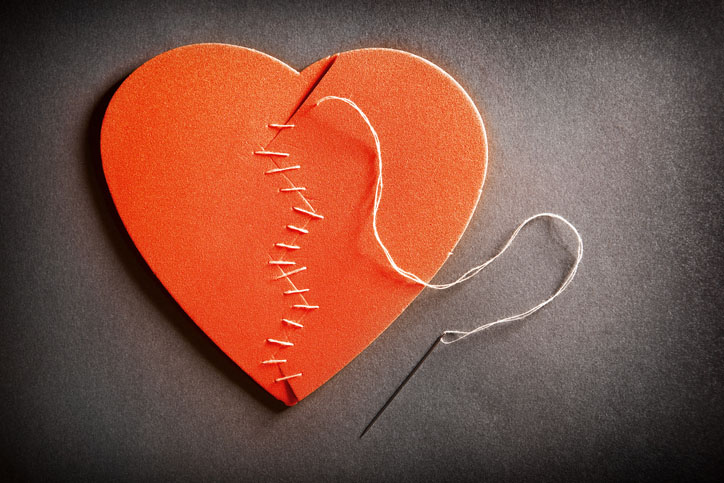
We are on the cusp of the season of mending: Mending relationships and refining our interpersonal connections. May we begin with remembering that each of our roads, stories, and journeys are uniquely our own. Others may be blinded to our pain because they are immersed in their own. In a world that often tells us to care less in order to hurt less, Judaism offers another path: never care less. Instead, care deeply enough to understand another’s story while remaining steadfast in your own.

Shabbat Shalom


Rabbi Nicole Guzik is senior rabbi at Sinai Temple. She can be reached at her Facebook page at Rabbi Nicole Guzik or on Instagram @rabbiguzik. For more writings, visit Rabbi Guzik’s blog section from Sinai Temple’s website.


Did you enjoy this article?
You'll love our roundtable.

Editor's Picks

Latest Articles

Bringing Israeli Doctors Back

ScienceAbroad works with two groups in medicine: physicians who leave Israel for fellowships and Israeli students who attend medical school in Europe.

The Antizionist’s Dilemma

It’s not easy being an antizionist these days. Especially if you’re determined to live in accordance with your most important moral imperative: the denigration of the world’s only Jewish state.

How the Supreme Court Adapted Parshat Shoftim

The Torah offers a better model than avenging and avoiding. It offers a safe opportunity for parties to meet and peacefully explain their perspectives, which might have been misunderstood. They can offer apologies and, where necessary, make amends for harms caused.

Can One Be a Non-Observant Orthodox Jew?

The tradition has always been bigger than any one person’s grip on it. What draws me is simple: I think these texts are a good part of why we are still here as a people. I want to know them and, in my own way, embrace them. Orthodox is where I turn.

Lies, Damned Lies and the Right Side of History

One question alone matters these days: Does this fact strengthen my tribe, or is it bad for it? If bad, it must be suppressed, denied, explained away. The higher truth is the narrative that serves the cause, the quest of the righteous and true.

Life Lessons in Old Age

Hardship and joy are present at every step. There is no time when it will be all good, so focus on the good and carry on. There are always moments to savor and appreciate.

Is Mamdani Helping Bibi?

By explicitly linking Mamdani’s efforts to rising levels of antisemitism, Netanyahu was able to frame himself as a defender of Israel against growing international hostility.

More news and opinions than at a Shabbat dinner, right in your inbox.