fbpx

July 30, 2026

Because — A poem for Parsha Eikev

Eikev — because (Deuteronomy 7:12–11:25)

Because of what we’ve said
Because of what we’ve done
Because of our complaints
Because of our melted jewelry
Because we’ve rebelled
Because we can’t live on bread alone
Because of what we’re about to do
Because we’ll learn to navigate
milk and honey as we go
Because the things we love are not
the Thing we should love
Because we forget the number One
Because we should say the number One
every time we gather
We should put the number One
on our doorsteps, gates and foreheads
We should put the number One
on the lips of our children
Because of what they have the potential to do.
Because if we do good, we get good
This is the geometry of the Torah
The if / then logic that paves the way
Because there is no other way


Rick Lupert, a poet, songleader and graphic designer, is the author of 30 books including “Begin the Beget” and “God Wrestler: A Poem for Every Torah Portion.” Visit him at www.JewishPoetry.net

Because — A poem for Parsha Eikev Read More »

Democratic Socialists of America Are Coming for America

There’s nothing like success to blind people to an ugly truth.

Right now, the new shooting star, or shining object, in American politics is the Democratic Socialists of America (DSA), who are part of the Democratic party.

You may have noticed they’ve been on a hot streak lately, winning competitive primary matchups in New York, Philadelphia and Denver.

Because their patron saint is the slick and charismatic New York Mayor Zohran Mamdani, whose obsession with Israel has sucked up much of the media attention, hardly anyone has talked about DSA’s actual platform.

That platform is worth a look. It’s a demolition derby.

Abolish the Senate. Abolish the presidency. Abolish the Pentagon. Abolish border enforcement. Abolish capitalism. Phase out the police and prisons.

Did I mention rewriting the Constitution?

Charles Cooke, writing in National Review Online, says the platform “demands the abolition of every load-bearing structure in America.”

In short, the Democratic Socialists of America are coming for America.

But because that truth is clearly too harsh, DSA bosses are distracting voters by focusing on the capitalist enemy.

“The world is in chaos, but for the bosses, it’s all going according to plan,” it says on its website. “We can see their plan in the countless heartbreaking images coming out of war zones like Beirut, Gaza, and Tehran. We can hear it in the rumble of bulldozers making way to build detention camps and data centers. We can feel it in the air as the summer heat becomes unbearable, and in the pits of our stomachs when faced with the price of gas and rent. The billionaire class is dividing workers against each other, and it’s making us desperate and miserable.”

So what is DSA offering as an alternative?

Oh, only a life anyone would kill for:

“You work as much as you are able and no more than needed, and you would control your own labor and see it going to good use. It’s not just a job to pay the bills.

“Speaking of bills: you don’t really have them anymore. You have no debt. You don’t need health insurance. You don’t pay a mortgage or have a landlord, because comfortable housing is a human right.

“Your retirement is publicly funded. Food, education, energy, medicine, and transportation aren’t for-profit businesses; they are common goods and utilities.”

Do you see a pattern here? Say the juicy stuff and stay away from the dark stuff.

The juicy stuff– taking down the billionaire class so you can have a great life with no bills– sounds so much more appealing than “we’re demanding the abolition of every load-bearing structure in America.”

The master of this subterfuge is the savvy Mamdani, who makes socialism look as sweet and innocent as a community library. As he said recently to Jon Stewart:

“If you and I were to introduce the idea of a building that lends out books for free, we would be slandered in the same way that so many new ideas are slandered today, and yet that’s the library. The same thing with the fire department, the same thing with public schools.”

But as Robby Soave points out in Reason, “This is all completely ridiculous. If a government provides some public services, this does not mean the government is socialist. Socialism should not be defined as maintaining a slightly more generous welfare state. Socialism is a political and economic system in which the means of production are owned in theory by the workers themselves rather than fat-cat capitalists.

“In actually existing socialist systems, the means of production is owned or at least controlled by a powerful central government with sweeping powers to allocate resources, set prices, and determine who does what.”

Besides the historical evidence that such socialist systems inevitably lead to repression, stagnation and economic misery, there’s the pesky detail that it doesn’t sound at all like America.

You’d never know that by listening to smiling salesman Mamdani.

“[Mamdani] quite deliberately misrepresents the definition of socialism in order to make it seem benign and unobjectionable,” Soave writes. “He is doing this frequently enough—and consistently enough—that he may be succeeding in tricking a great number of people into accepting a nonsensical, discredited, and dangerous ideology.”

What is noteworthy is that when the media does ask the right questions, DSA officials find it nearly impossible to deny their ideology.

Here is DSA co-chair Megan Romer in a recent interview with Shannon Bream of Fox News, as Bream ticked off items of the DSA agenda:

BREAM: Abolish the Senate?

ROMER: True.

BREAM: Okay, replace the presidency and Supreme Court as we now know them?

ROMER: Yep.

BREAM: Abolish ICE?

ROMER: Absolutely.

BREAM: Abolish borders and give amnesty to anyone currently in the U.S. illegally?

ROMER: As a long-term plan, yep.

BREAM: Defund the Pentagon?

ROMER: Absolutely.

BREAM: Abolish prisons, at least in large part?

ROMER: Yeah, again, as part of a long-term program, yeah?

BREAM: OK, so no prisons. Government or public ownership of most large corporations?

ROMER: Yeah, absolutely.

Well, that was honest.

So, why is the legacy media still treating DSA with kid gloves and not asking those same, direct questions?

Forgive my cynicism, but could it have anything to do with the first word in the movement’s name, the one that starts with D?

You see, for the mainstream media to expose the dark underbelly of DSA would mean admitting that their cherished Democratic party is being rattled by a radical anti-American wing. And that might, you know, help the “other team.”

We know that the seeds of this socialist wing were planted years ago when the Democratic party largely abandoned the working class in favor of social issues like race and gender. Now, they’re forced to contend with a socialist insurgency that mentions “working class” in every second sentence.

It must be disillusioning. How do you confront a movement that is serving the very people you were supposed to be serving all along?

Look at Jon Stewart, who fashions himself as a Democratic truth warrior, getting all chummy with Mamdani in his interview. Instead of asking hard questions, like a good team member he allows Mamdani to paint socialism with this utopian brush: “It means making the choice every day to fight for working people. It means you believe that everyone in your city deserves to live a dignified life, no matter how much money is in their pocket.”

Study that seductive language and it’s easier to understand the DSA’s current hot streak.

Of course, politicians always overpromise. They’re very good at downplaying the reality that nothing is free, that everything is a trade-off, that citizens must sacrifice and do their share.

The difference with DSA is that they’re downplaying the very demolition of America.

Who will get that word out?

If the legacy media is not up to it, establishment Democrats must have the guts to expose the ugly truth behind the swaggering rebels in their midst.

Do it for your party or do it for your country. But do it fast before those shooting stars fly too far to catch.


Democratic Socialists of America Are Coming for America Read More »

The Blessings of a Broken World

Humanity is destined to fail.

On two occasions in the Tanakh, humanity has perfection within its grasp and throws it away. Adam and Eve were created to enjoy eternal bliss in the Garden of Eden. God gave them one commandment: Do not eat from the Tree of Knowledge. They ate from it anyway. As a result, God exiled them into a cursed existence where death and sin are everyday occurrences.

At the foot of Mount Sinai, the Jews experienced a dramatic revelation of God. At that moment, they reached new spiritual heights. The Talmud and Midrashim explain that there they returned to the level Adam and Eve held in the Garden of Eden before the sin.

Moses then ascends to receive the luchot, the tablets inscribed with the Ten Commandments. But the Jews are too impatient to wait for him. The same people who had stood trembling before God just a few days earlier now create a golden calf. Moses returns to find his own people worshipping an idol, and smashes the luchot on the ground.

A glorious future awaits the Jews at Mount Sinai, but they impulsively choose to throw it all away instead.

Both of these sins seem absurd. But that is the point; failure is part of the world’s design. In Kabbalah, the concept of shevirat ha-kelim, the breaking of the vessels, emphasizes that the world could not fully absorb God’s presence. Brokenness is embedded in the process of creation. This is how evil emerges, and along with it, failure, sin, and death.

When humanity stands at the threshold of perfection, fate intervenes to ensure that it fails.

This presents a grim picture of reality. Some theologians argue that humanity is cursed. Augustine of Hippo’s view, which is very influential in Christianity, asserts that Adam and Eve’s “original sin” taints all of humanity. Every person inherits their sin from birth. Augustine writes that “no one is free from sin in [God’s] sight, not even an infant whose span of earthly life is but a single day.” Ever since Adam and Eve ate from the Tree of Knowledge, human nature has been so badly corrupted that every baby is born a sinner. Only God’s grace can redeem humanity from sin.

Judaism takes a dramatically different approach, and embraces failure. The “fall” of man in the Garden of Eden is not a fall at all; on the contrary, it opens the door to greater personal growth.

The fundamental texts for this idea are found in rabbinic commentaries about the second luchot.

After Moses breaks the first luchot, God agrees to give the Jews a second set of luchot. It is a humble affair. The Midrash says that God intentionally gave the second luchot to Moses quietly, and instead of holding them high before the crowds, Moses took the second luchot down from Mount Sinai in a wooden box. Everyone was still recovering from the sin of the first luchot, and there was no appetite for fanfare.

Yet these second luchot hold the key to grappling with failure. They are the foundation of two critical concepts: repentance and the rabbinic traditions of Torah Sheba’al Peh.

There is a significant difference between the first and second luchot. While God created the first luchot, Moses had to chisel the stone for the second one himself. The rabbinic tradition focuses on Moses’ involvement in creating the second luchot, and sees it as carrying powerful symbolism: Human engagement will shape the Torah from now on.

Strikingly, many commentaries see the second set of luchot as superior, not despite being man-made, but because they are man-made. This midrash Shemot Rabbah is one of the earliest sources to make this claim:

“[Moses] began to grieve over the breaking of the Tablets, and the Holy One, blessed be He, said to him: Do not grieve over the first Tablets, which contained only the Ten Commandments alone — for in the second Tablets I will give you [something greater], such that they will contain halachot, midrash, and aggadot.”

Human initiative will allow the flourishing of the rabbinic tradition. Rabbi Naftali Zvi Berlin takes this idea a step further and explains:

“Regarding the first tablets, the power of innovation was not granted … But with the second tablets, the power was granted to every diligent student to innovate halacha through … Talmudic reasoning. For this very same reason, the Holy One commanded that the second tablets be hewn by the hand of Moshe—not because [the Jewish people] no longer merited a divine handiwork, but to teach that the halacha which is innovated through the power of these tablets is a combination of human effort together with Heavenly assistance—just as these tablets themselves were the product of Moshe’s labor combined with God’s writing.”

The second luchot are the foundation of Torah Sheba’al Peh, which will enable generations of Jews to engage in an ongoing conversation with the divine. In good times and in bad, in Israel and in exile, Jews will continue to read and reread sacred texts to offer guidance for every situation. The depth and richness of the rabbinic texts that have been written are astounding, so much so that Rav Zadok of Lublin says the insights of the rabbis are even greater than prophecy.

Rabbinic tradition also focuses on a second detail: The date when the second luchot were given was the first Yom Kippur.

A second-century midrash, Seder Olam Rabbah, offers a 120-day chronology that spans from Shavuot to Yom Kippur. Organized around three periods of 40 days, it begins with the revelation on Mount Sinai on Shavuot. Forty days later comes the giving and breaking of the first luchot on the 17th of Tammuz; 40 days after that, on the first day of Elul, comes God’s call to Moses to return to Mount Sinai for a second set of luchot. Finally, Moses brings the second set of luchot to the Jews on Yom Kippur.

The Maharal of Prague makes a remarkable claim: Yom Kippur was instituted because of the second luchot. Had there not been a smashing of the first luchot, there would be no day dedicated to atonement and repentance. Without the second luchot, the Jewish calendar would have been radically different.

Yom Kippur reconfigures the Jewish calendar and puts repentance at the center. What God expects of humanity is not perfection; it is improvement.

What God expects of humanity is not perfection; it is improvement

The real hero of our imperfect world is one who masters the ability to repent. The Talmud says, “In the place where the repentant person stands, a completely righteous person cannot stand.” Perfect righteousness is actually inferior to repentance; there is no growth and creativity. Without the longing and passion that come with failures and mistakes, without the introspection required by repentance, one cannot become the best possible version of themselves.

At Mount Sinai, the sin of the Tree of Knowledge is finally overcome. But not for long. The sin of the golden calf returns humanity to a state of imperfection, with death, failure, and tragedy.

And that is a good thing.

Without imperfection life would be a bore. Simple-minded untroubled piety is unimpressive and spiritually empty. We are meant to serve God with all of our souls. That means with a profound and complex inner life, including failure, inner turmoil, and transformation. We were not meant to be automatons.

The second luchot usher in a challenging age of mortality and moral pitfalls. But they open the door to a conversation with God filled with creativity and growth. They allow humanity to use vulnerability as a vehicle for personal transformation and intellectual ferment.

This is the blessing of a broken world. And it is a blessing that Judaism embraces.


Rabbi Chaim Steinmetz is the Senior Rabbi of Congregation Kehilath Jeshurun in New York.

The Blessings of a Broken World Read More »

When Everything Goes Wrong Abroad: Why I Never Let a Client Skip Travel Insurance.

As a luxury travel advisor based in Los Angeles, there’s one thing I insist on with every single international trip I book, and that’s comprehensive travel insurance. I’ve had clients push back on it before, because it feels like an extra cost tacked onto a trip that’s already expensive, and nobody really wants to think about what could go wrong before they’ve even packed their bags.

Then a trip like this one happens, and I’m reminded all over again why I never stop asking.
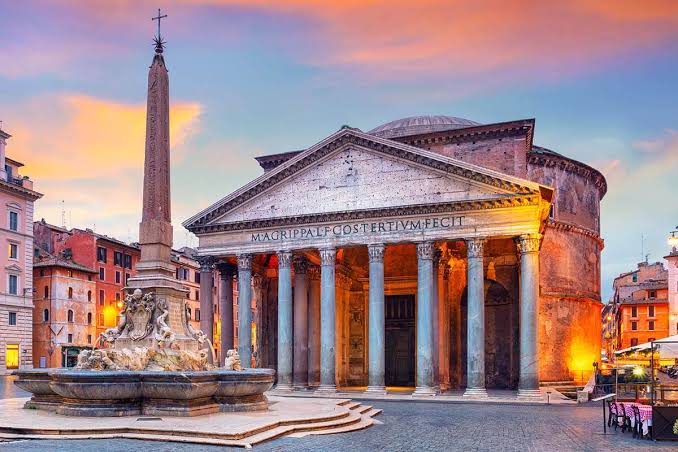
16 Ancient ROME Sites & Roman Landmarks to See in Rome, Italy (+Map)

A family of seven flew to Italy for what was supposed to be the trip of a lifetime, with Rome and a day trip to Pisa on the itinerary and all the memories they imagined making together along the way. The parents were older and more vulnerable to health issues than the rest of the family, which made travel insurance an easy recommendation on my end, but they declined it anyway.

During the excursion to Pisa, the father fell while climbing a set of stairs and was seriously injured, and in an instant, a carefully planned family vacation turned into a medical emergency. He had to be evacuated back to Rome for hospitalization, and everything after that unraveled. Because there was no insurance behind them, the family paid out of pocket for emergency care in Pisa and transportation to the hospital in Rome, on top of last minute changes to their travel plans. They lost the money on prepaid excursions they never got to use, and since their original tickets couldn’t be changed, they ended up buying an entirely new set of flights home for all seven of them.
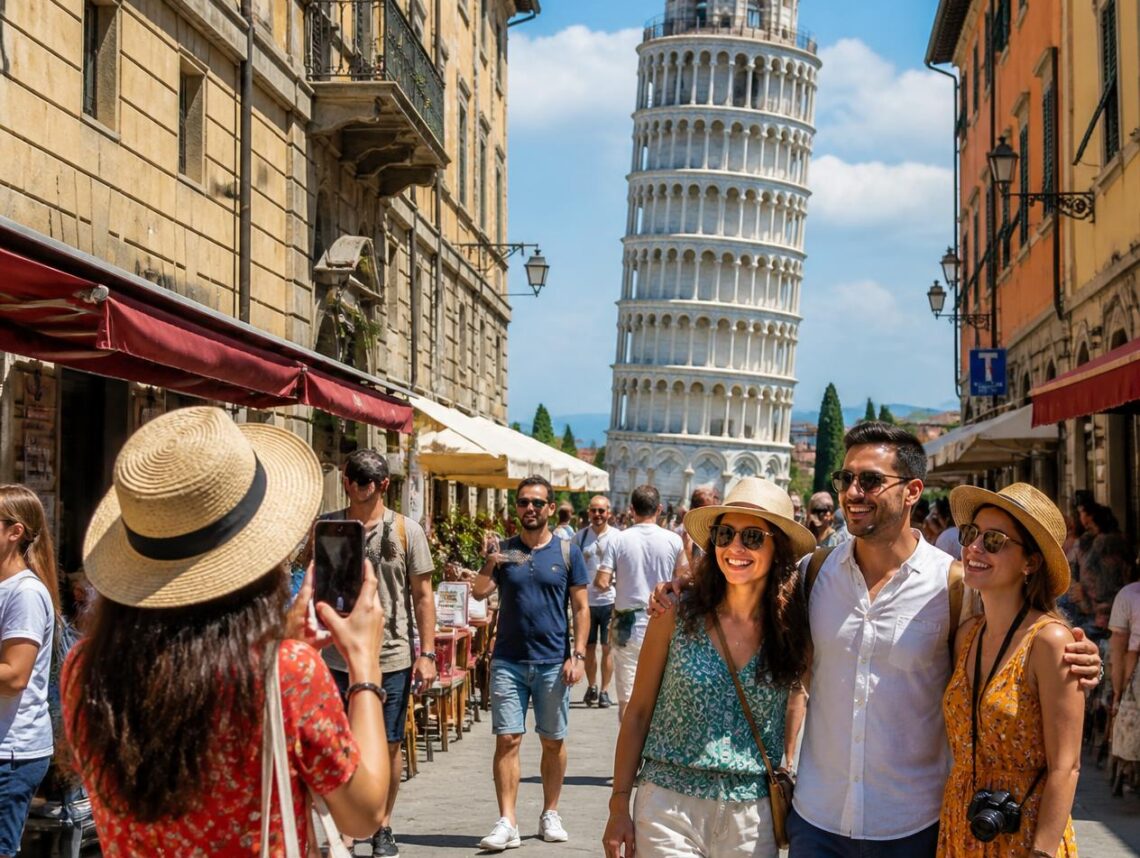
What started as a long-awaited family trip became a financial and emotional ordeal, and instead of the vacation they had planned, they spent the rest of it dealing with hospitals, logistics, and mounting bills far from home.

Stories like this are exactly why I asked my friend Andre Plessis to weigh in. Andre works in insurance and has his own firsthand experience with what happens when something goes wrong overseas, and I wanted his perspective for anyone who is on the fence about coverage the way that clients were.

Andre’s Story: Why I Will Never Travel Without Insurance Again

A few years ago I traveled to France and made one mistake I will never make again, which was not purchasing travel insurance before I left.

While I was visiting Lac Saint-Ferreol, walking around the lake and taking in the scenery, I stepped into a muddy patch, my foot slipped, and I went down hard enough to break my ankle. The pain hit immediately, and I was taken to the hospital, where the doctors told me I would need surgery to repair it, inserting a metal plate and several screws to hold everything together.

Before the surgery could happen, though, I ran into a problem I never saw coming. A member of the hospital staff explained that they weren’t sure they could perform the operation, because they had been burned before by foreign patients who never paid their bills once they were back home. I told her I would personally cover the cost if it came to that, and she asked me to wait while the hospital made its final decision. Those minutes felt endless, but she eventually came back and told me they had agreed to move forward. In the end, the surgery itself only took about twenty minutes, even though I had waited nearly ten hours in that hospital before I was finally wheeled into the operating room.
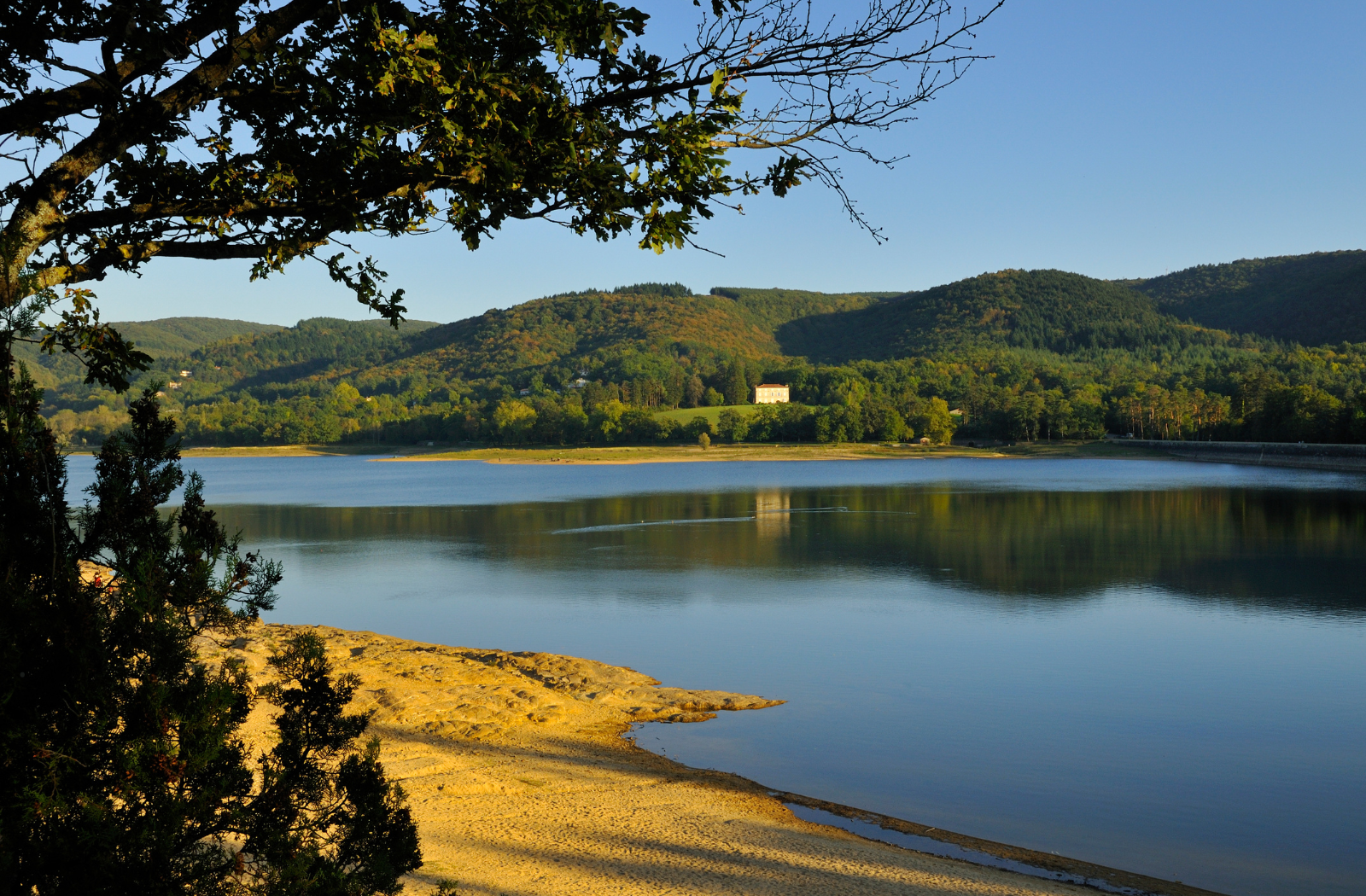
Lake Saint-Ferréol, an unmissable destination in the heart of the Montagne Noire in the Tarn - Guide Tarn Aveyron

After I was discharged, a nurse came to my home every day for a week, cleaning the wound, checking on my recovery, and giving me a daily injection, and by the end of that week I asked what I owed her for all of it. The total came to seventy euros, which I genuinely could not believe, so I handed her a hundred euros in cash just to say thank you properly. I also stopped at a local pharmacy for my prescribed medications and supplies, which came to around three hundred fifty euros.

About four months after I got home, the hospital finally sent the invoice, and I braced myself for something enormous. Instead it came to twenty seven hundred euros, roughly three thousand two hundred dollars at the time, which I paid right away with my credit card. Considering that the same surgery in the United States could easily run into the tens of thousands, I actually felt lucky, at least until the real headache started.

I had U.S. health insurance with a thirty percent coinsurance on covered services, so I expected a meaningful reimbursement once I filed my claim. I sent every document they asked for, the hospital invoice, proof of payment, medical records, surgical reports, all of it, and then I waited. When I finally called to check in, I was told they still needed documents I had already submitted, and this happened over and over, with a new letter requesting the same proof every few days and a different representative on every call who needed the entire story explained to them again from scratch.

Nearly two months later, I received a reimbursement of about two thousand dollars, but my out of pocket total still came to roughly twelve hundred dollars for the surgery alone, on top of the medications and the cash I had paid the nurse, none of which were ever reimbursed. That’s when I learned something I hadn’t known before all of this happened, which is that most U.S. health plans don’t reimburse prescriptions bought abroad, and they generally won’t reimburse cash payments made overseas either.

Looking back, the money was never really the hardest part of any of it. What wore on me most was the hours spent fighting with my own insurance company, mailing documents I had already sent, and repeating the same facts to person after person as if none of it had happened before, and all of that stress could have been avoided entirely with the right coverage in place from the start.

Today I never travel without insurance, and I tell everyone I know the same thing. A policy typically runs somewhere between fifty and two hundred fifty dollars depending on your age, destination, and trip length, and if something goes wrong while you’re away, one phone call connects you to a company that directs you to the right medical facility, coordinates your care, and works directly with the providers on your behalf. Instead of chasing paperwork for months, you can actually focus on getting better.

Beyond the Trip: Long-Term Care Insurance
Andre’s story is about one bad afternoon abroad, but it opened up a much bigger conversation between us about the kind of coverage most people never think to plan for until they’re the ones who need it.
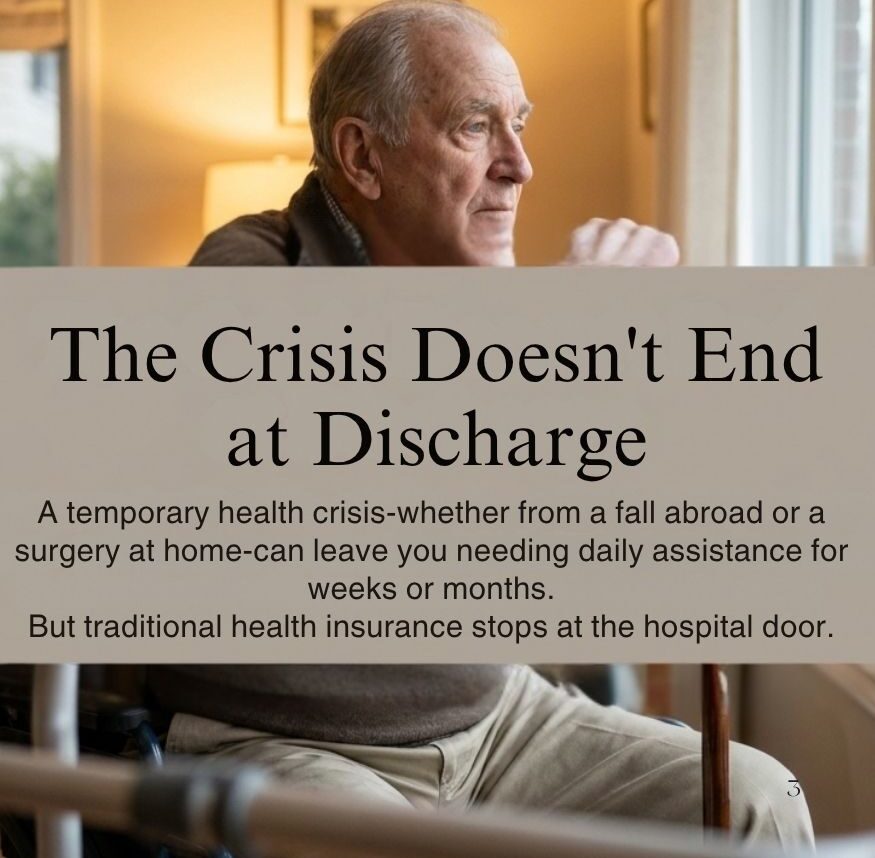

Most of us spend decades saving for retirement, contributing to a 401(k), building an IRA, paying down a mortgage, and planning carefully for the years ahead, yet a lot of people overlook one of the biggest financial risks they may ever face, which is the need for long-term care. According to the U.S. Department of Health and Human Services, nearly seventy percent of people turning sixty five today will need some form of long-term care during their lifetime, whether it comes from Alzheimer’s, dementia, a stroke, Parkinson’s, arthritis, a serious injury, or simply the natural process of aging, and the need tends to build up gradually rather than announce itself all at once.

Long-term care insurance is designed to help pay for what traditional health insurance and Medicare generally don’t cover over an extended period, including care at home, assisted living, memory care, skilled nursing, adult day care, hospice support, and the coordination of all of it. Most people would rather receive that kind of care at home if they ever need it, and having the right policy in place is what actually makes that preference financially realistic instead of just a hope.

The costs involved are significant, and they keep climbing every year. Current national averages run around eighty thousand dollars annually for home health care, seventy five thousand for assisted living, and more than a hundred twenty thousand for a nursing home, and without insurance, families often end up drawing on retirement savings, investment accounts, or home equity to cover the gap, watching years of careful planning disappear faster than they ever expected.

One of the biggest mistakes people make is waiting too long to buy coverage. Purchasing a policy in your fifties or early sixties usually means lower premiums, easier health qualification, and more choices, while waiting until your seventies often means discovering that health changes in the meantime have made you ineligible altogether. There are also hybrid policies available now that combine life insurance with long-term care benefits, so that if care is ever needed the policy helps pay for it, and if it isn’t, the family typically receives a tax free death benefit instead of the coverage simply going to waste. For a lot of families, that flexibility answers the question that keeps people from buying a policy in the first place, which is what happens if they pay into it for years and never use it.

Long-term care insurance isn’t only about preserving money, either. It protects a spouse’s retirement, a family’s financial future, and a person’s independence and ability to choose where and how they receive care, because without a plan in place, those decisions often become financial ones instead of personal ones. Retirement was never just about building wealth. It’s about protecting it too.

For the In-Between: Short-Term Care Insurance
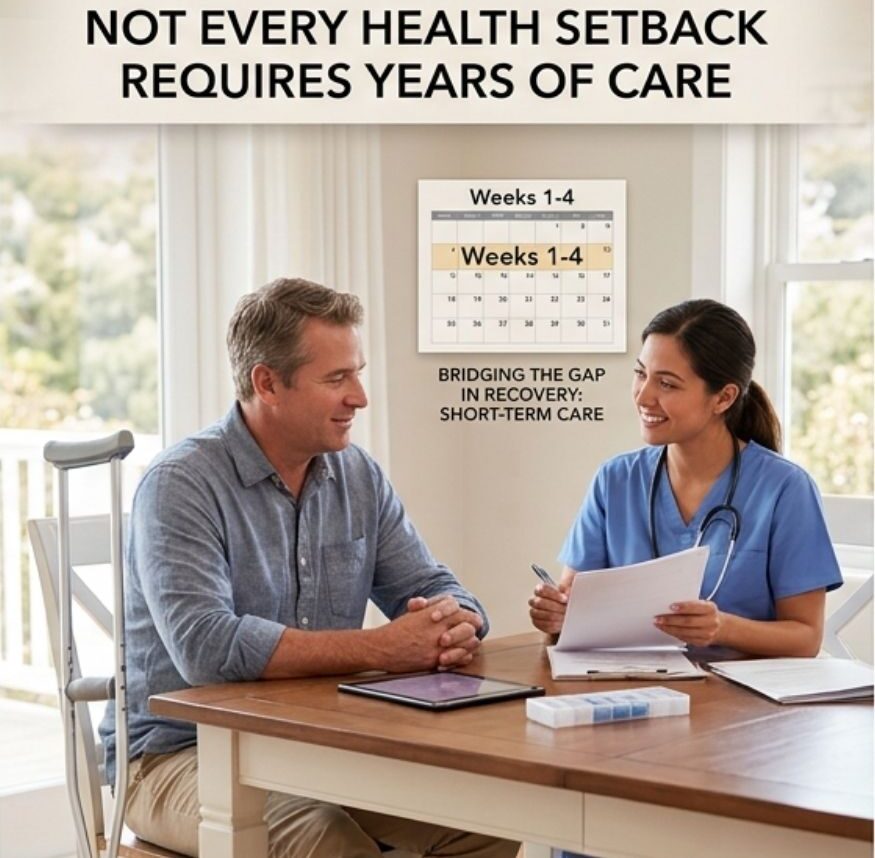
Not every health setback requires years of ongoing care. Sometimes it’s just a few weeks or months of recovery after an illness, an injury, or a surgery, and that gap in between is exactly what short-term care insurance is built for, helping cover home health care, assisted living, skilled nursing, adult day care, rehabilitation, and care coordination, often for up to a year depending on the policy.

Traditional health insurance is mostly built to treat the medical condition itself, so once you’re discharged from the hospital, a lot of the ongoing support becomes your own responsibility, whether that’s help with bathing, dressing, meal preparation, transportation, or extended rehabilitation, all of which can add up to thousands of dollars a month. Short-term care insurance helps cover those gaps instead of forcing people to pull from retirement accounts or emergency savings just to get through recovery.

There’s an emotional side to all of this too, since family members often become unpaid caregivers by default. Adult children cut back on work hours, and spouses run themselves down trying to fill every gap on their own, when a short-term care policy could let a professional caregiver step in for the hands-on work, freeing up families to focus on being there for each other emotionally instead of managing every logistic themselves.

This kind of coverage tends to make the most sense for adults in their fifties and sixties, retirees, people recovering from surgery, anyone managing a chronic condition, or really anyone who wants to protect the savings they’ve worked so hard to build, and because premiums are generally lower than traditional long-term care insurance, it can be a reasonable and affordable first step into planning ahead. No one plans to need rehabilitation or temporary care, but these situations happen every day, and a modest premium now can save tens of thousands of dollars later while letting you recover with your dignity and independence intact.

Questions? We’re Here to Help
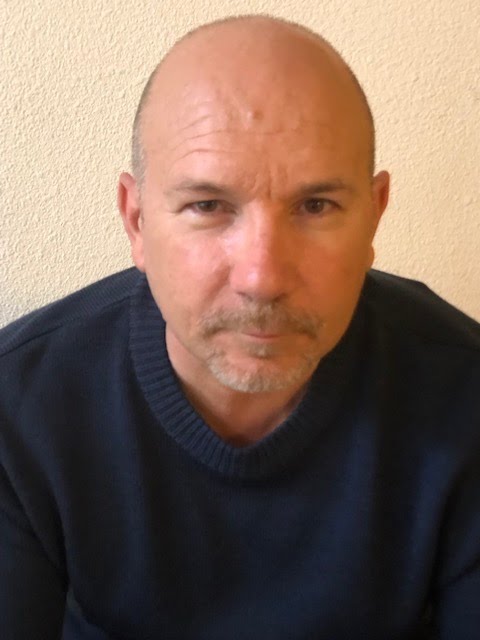
Insurance can be confusing, especially when you’re planning for healthcare needs you can’t fully predict, and if any of this raised questions for you or you’d simply like to understand your options a little better, both Andre is happy to help. Whether it’s protecting your next trip or planning ahead for the years to come, our goal has always been to educate, not to pressure.

Andre Plessis
THE INSURANCE GUY
365 Days a Year Customer Support

Health | Medicare | Life | IUL | Annuities | Travel | Retirement Planning | LTC
Office: 818-341-2972
Cell: 310-266-9463
Email: Andre.Plessis@gmail.com
Website: www.TheInsuranceGuy.net
Life Happens. Love Protects. 

When Everything Goes Wrong Abroad: Why I Never Let a Client Skip Travel Insurance. Read More »

A Bisl Torah — Never Care Less

Frustration grows and anger abounds when it feels as if our concerns are unshared by others, especially when we are hurt or emotionally injured and that pain isn’t seen by someone we love.

But the answer isn’t to care less. Just because someone doesn’t understand our worries doesn’t mean our worries are less significant. The challenge is holding onto our opinions, values, and convictions even when they seem belittled or entirely ignored. How do we remain true to ourselves when even those close to us shake our inner confidence?

Pirke Avot 2:4 teaches, “Do not judge a person until you have stood in their place.” Let’s glean another lesson: someone may not understand your story because they have yet to walk in your shoes. Perhaps your loved one doesn’t understand your pain because they haven’t experienced your pain. Instead of letting resentment build, we can reframe our circumstances. They cannot see our hurt because it is a world they have not yet entered.

Is it fair? No. Does it continue to be frustrating? Yes. Does it diminish our beliefs? Absolutely not.

We are on the cusp of the season of mending: Mending relationships and refining our interpersonal connections. May we begin with remembering that each of our roads, stories, and journeys are uniquely our own. Others may be blinded to our pain because they are immersed in their own. In a world that often tells us to care less in order to hurt less, Judaism offers another path: never care less. Instead, care deeply enough to understand another’s story while remaining steadfast in your own.

Shabbat Shalom


Rabbi Nicole Guzik is senior rabbi at Sinai Temple. She can be reached at her Facebook page at Rabbi Nicole Guzik or on Instagram @rabbiguzik. For more writings, visit Rabbi Guzik’s blog section from Sinai Temple’s website.

A Bisl Torah — Never Care Less Read More »

Taking Flight

Dear all,

While bike riding this week, I came across a magnificent bird—wings spread, ready for take-off

But it didn’t move.

It stood there, beak lifted, as if to say: “I’m ready… but not yet.”

How often do we find ourselves in that very place—ready for take off – when we pause (hesitate?) for any variety of reasons:

Perhaps we’re unsure it’s the right move.

Perhaps we feel safer where we are.

Perhaps there’s comfort in keeping our feet on the ground.

Perhaps we want just a little more time with someone we love.

Perhaps we’re afraid of losing our way.

Perhaps we cling to what we know, even when we sense it may be time to go.

At the very beginning of creation, the Torah teaches:

“The spirit of God hovered over the face of the deep.”

It didn’t move forward.

It hovered. Wings open. Just waiting.

Before creation begins, there is a moment of stillness—a sacred pause before motion.

And maybe that’s not hesitation at all.

Maybe that’s wisdom.

Because sometimes, the holiest thing we can do is not to rush into flight, but to stand there—wings open—until the moment in time is right.

And when the moment comes—when it truly arrives—

we will know.


And we will lift.

With love and Shalom,

Rabbi Zachary R. Shapiro

Taking Flight Read More »

Lazy, Hazy, Crazy

Reform, Conservative and Orthodox
are labels used by any Jew who mocks
another, by implying that he mocks
another’s view of dei’s vox

as being lazy, hazy, even crazy.
Unlike answers that were rejected by Daisy Daisy,
those given to Jews aren’t always outer spacey
when given to questions that aren’t as hazy

as those of most of their opponents when they disagree
with them, sadly disinclined to see
the differences in Jewish identity
like those of bicycles when they’re made for three.

In ““Birthright” and “Giant” Tackle Jewish Identity: The plays explore interpersonal  rifts over Israel, but only one lets the ugliness linger,” New Yorker, 7/9/26, Emily Nussbaum writes:

The Oakland-based playwright Jonathan Spector wrote “Birthright”—his warm, haimish, ultimately frustrating new drama—on a dare. Weeks after October 7, 2023, Spector was “cajoled” by a peer to dig into the generational fracture among American Jews, a split that deepened precipitously after the catastrophes in Israel and Gaza.

At first, Spector said no. Who could blame him? The risks included glibness and finger-wagging, not to mention the danger suggested by the metal detectors outside the production now at M.C.C. “Birthright”: talking across divides, keeping the conversation going. I, too, am frustrated by the online reflex to sneer. But those ideals block the play from being fully honest—by letting ugliness stick around.

“Birthright” culminates in a fiery showdown in Act III, when the left-wing Izzy and the liberal Chaya wield phones like knives, competitively Googling “Theodor Herzl colonialism” and “1930s partition plan Israel” as Noah struggles to talk them down. The moment has a trace of Aaron Sorkin; I usually mean this as an insult, but in Spector’s case it’s not all bad. Everyone—including Alona, the only one who’s lived in Israel—gets to make their case in full, just as the anti-vaxxers did in “Eureka Day.” But is it enough to hear people out?

To retreat to “It’s complicated”?

I kept sensing the elisions. We hear about MAGA Zionists—Fox News-watching fathers, Tel Aviv neighbors—but they’re all offstage. By design, this is a play about a narrow slice of Ashkenazic Jews, college-educated members of Conservative shuls.

(This isn’t a political category; it’s the middle of the continuum of Reform, Conservative, and Orthodox, or, as the joke goes, “lazy, hazy, and crazy.”) It’s a play about two-state Zionists resistant to the term “genocide” and anti-Zionists pushing them to use it, a demographic just left of the women from the hilarious “JAP Battle” rap track, from the TV show “Crazy Ex-Girlfriend,” who spar over their anti-racist bona fides, then add, politely, “Though of course I support Israel.” Yet “Birthright,” despite having been written, daringly, into the current crisis, feels one step behind.


Gershon Hepner is a poet who has written over 25,000 poems on subjects ranging from music to literature, politics to Torah. He grew up in England and moved to Los Angeles in 1976. Using his varied interests and experiences, he has authored dozens of papers in medical and academic journals, and authored “Legal Friction: Law, Narrative, and Identity Politics in Biblical Israel.” He can be reached at gershonhepner@gmail.com.

Lazy, Hazy, Crazy Read More »

Print Issue: Troubled Marriage | July 31, 2026

CLICK HERE FOR FULLSCREEN VERSION

Print Issue: Troubled Marriage | July 31, 2026 Read More »

Chicken With a Lemony Twist

In the late 1960’s, when my grandparents emigrated from Israel to Australia, they lived in Hurstville. Their house was steps away from the Georges River in the quiet, idyllic Southern suburbs of Sydney.

The only drawback was the distance. Hurstville was 15 miles away from Bondi and the Eastern suburbs, the center of Jewish life in Sydney. Needless to say, there were no kosher butchers nearby. (But there is the Southern Sydney Synagogue, an Orthodox congregation that was established in 1943.)

My grandmother’s older sister, Auntie Naima, who immigrated to Australia via Bombay and Shanghai in the late 1920’s, lived in nearby Gymea. She arranged for a delivery from the local butcher, but when my Nana Aziza unwrapped the meat and chicken she immediately knew that it wasn’t kosher. She asked her sister to take it to her home. When Auntie Naima told her that the kosher butcher was too far away, my grandmother cried and said “I will cook fish every day. I will not feed my family treif (nonkosher) meat!”

When the family moved to Rose Bay, my grandfather Aba Naji would take me with him to the butcher shop on Bondi Road. The butcher would always smile at me and hand me a pale sausage to eat while I waited. It was such a delicious treat!

I have vivid memories of the mess that would ensue when the kosher chicken arrived in her kitchen. My Nana Aziza would unwrap all the packages and salt the chicken for an hour to drain the blood and then pluck away the feathers. It was always such a production! It makes me so grateful for the convenience of unwrapping a pack of relatively clean, pre-kashered Empire chicken.

One of the biggest gifts of my life was that as an adult, I had the honor of cooking for my grandparents. One of the compliments that I cherish most, was that my grandmother loved my chicken.

One of the greatest challenges in the kitchen is changing up chicken recipes. Let’s face it, no matter how good the chicken tastes, the same old recipe gets kind of boring. So, depending on my mood, I will use different spices and spice rubs (paprika, turmeric and Old Bay are definitely favorites), different fruits and rinds (lemons, oranges, mandarins and peaches), different sauces (soy, duck and barbecue), not to mention silan, tamarind and pomegranate molasses. Let’s not forget the aromatics — onion and garlic, carrots and celery.

This week, Rachel and I share a recipe for a bright lemony chicken that includes some of our favorite ingredients.

The sticky sweet and savory glaze features pomegranate molasses, Dijon mustard, freshly squeezed lemon juice and minced garlic. We used shallots, which just get sweeter and sweeter as they roast with the chicken. We also used sunchokes which add an earthy brightness. We adore their subtle flavor, but if you can’t find them at the store feel free to omit them.

The huge plus is that a super, simple sheet pan recipe results in a dish that looks so impressive and sophisticated. The chicken is so moist and flavorful and the Dutch baby potatoes are so soft and creamy.

—Sharon

Bright Lemony Chicken

Oil, for roasting

5 sunchokes, washed and sliced into 1/4″ rounds

1 whole chicken, cut into 8 pieces plus 4 drumsticks

2 Tbsp Dijon mustard

1 Tbsp sweet paprika

2 tsp kosher salt

1 tsp freshly ground black pepper

1/3 cup extra virgin olive oil

1/3 pomegranate molasses

1 lemon, juiced

6 garlic cloves, crushed

2 lbs Dutch baby potatoes

2 large shallots, sliced into thin wedges

1 lemon, cut into wedges for garnish

Rosemary sprigs, for garnish

Preheat oven to 350°F.

Place sunchokes on a small parchment lined baking sheet and roast for 10 minutes.

In a medium bowl, mix together the paprika, mustard, salt and pepper, pomegranate molasses, crushed garlic and olive oil.

Arrange chicken pieces on a large parchment lined baking tray, then pour the sauce over the chicken.

Nestle the potatoes, shallots and sunchokes in and around the chicken pieces.

Raise the oven temperature to 400°F and roast chicken for 55 to 65 minutes. Internal chicken temperature should be 165°F and potatoes should be fork tender.


Sharon Gomperts and Rachel Emquies Sheff have been friends since high school. The Sephardic Spice Girls project has grown from their collaboration on events for the Sephardic Educational Center in Jerusalem. Follow them on Instagram @sephardicspicegirls and on Facebook at Sephardic Spice SEC Food. Website sephardicspicegirls.com/full-recipes.

Chicken With a Lemony Twist Read More »

Delicious Plant-Based Treats for Wellness Month

August is National Wellness Month. With summer produce at its peak – and the heat so hard to beat – it’s a great time to add more light, healthy treats to your rotation. And if the recipes are easy, like the ones below from Michelle Harris, that’s even better.

Michelle Harris

“Going to my local farmers market is the ultimate summer experience,” Harris, the host of “Alive & Well,” told The Journal. “I love to enjoy all the fresh produce the season offers.” “Alive & Well” is a national TV series promoting the wellness lifestyle, available to watch on JLTV (Jewish Life Television) and in syndication. “Using fresh fruit is a wonderful way to help get enough fiber and nutrients in your diet,” she said. “They are all plant-based, so of course they are kosher.”

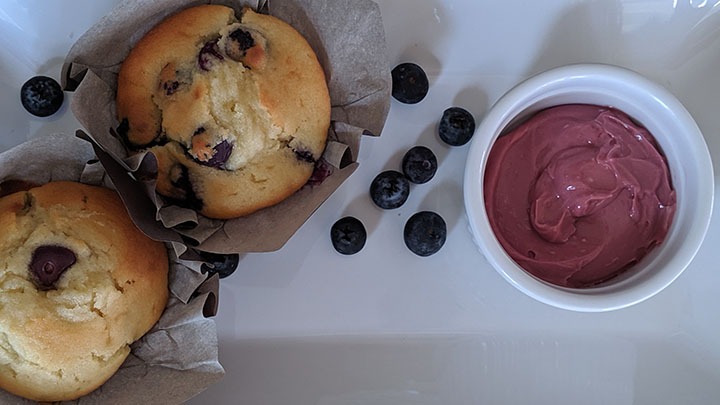
Blueberry Muffins with Black Elderberry Spread

Makes 12 muffins

This vegan-friendly blueberry muffin recipe is easy to make. Plus, the black elderberry spread is a delicious way to provide strong immune system support.

For the Muffins:

1 1⁄2 cups flour

1 cup raw sugar (or coconut sugar or granulated sweetener of choice)

2  tsp salt

2  tsp baking powder

3⁄4 cup oat milk or nondairy creamer ( I like Ripple)

Egg replacement for two eggs (I either use Bob’s Red Mill Egg Replacer or mashed ripe bananas)

¼ tsp vanilla extract

1⁄4   cup vegetable oil

1 cup fresh organic blueberries

Preheat oven to 375°F.

Combine flour, sugar, salt and baking powder in a mixing bowl. Mix in oat milk or nondairy creamer, egg replacement, vanilla extract and oil.

Gently fold in blueberries.

Put paper cups into a muffin pan (parchment cups are one of my favorites), and pour in batter, filling each cup about two-thirds of the way.

Bake for 25-30 minutes or until muffins are golden and a toothpick comes out clean when placed in the center.

Allow to cool.

For the Black Elderberry Spread:

¼ cup of nonhydrogenated plant based butter type spread

1 tsp agave syrup

2 tsp black elderberry syrup

Allow nonhydrogenated plant based butter type spread to soften.

Add agave and black elderberry syrups. Mix until creamy.

Spread on your blueberry muffins.


Vegan French Toast with Almond Butter and Fresh Fruit

Everyone loves French toast. And, thanks to new plant-based egg substitutes, making vegan French toast is easier and more delicious than ever! It’s great year round, but summer fruit and almond butter help to shake things up for breakfast or brunch.

4 slices Vegan croissant bread (La Boulangerie is my favorite)

8 oz. Plant-based egg substitute (The “JUST Egg” product works best for this recipe)

1 Tbsp Plant-based margarine, butter or spread

1 tsp Vanilla extract

Almond butter

Fruit of choice

Maple syrup

Add vanilla extract and egg substitute to a medium bowl. Stir well.

Dip vegan croissant bread into egg mixture until bread is moist on both sides.

Heat pan on medium with a small amount of plant based butter.

Cook dipped bread on each side until golden brown.

Remove from heat and top with almond butter.

Add seasonal fresh fruit. I like to use small molds to cut into fun shapes!

Serve!

Frozen Blueberry Nondairy Cheesecake

My frozen nondairy blueberry cheesecake is so delicious and refreshing during warm months. It’s a great way to cool down and have a healthy, plant-based, cholesterol-free dessert.

For the Crust:

1 1/2 cups graham cracker crumbs

¼ cup melted nonhydrogenated margarine

Preheat oven to 350°F.

Mix ingredients together until crumbs are moist. Press into a round pie plate.

Bake 10 to 12 minutes, until the crust is firm and  golden brown. Allow to cool before filling.

For the Filling:

For the nondairy ingredients, be sure to use brands that are nonhydrogenated

8 oz. nondairy cream cheese

1 pint vanilla nondairy frozen dessert (I love So Delicious Vanilla Cashew)

1/3 cup granulated sugar

1 Tbsp vanilla extract

Set out the cream cheese and the ice cream so they soften up a bit before using. It’s easier to work with them.

Cream the granulated sweetener into the cream cheese.

Add the vanilla and then the softened ice cream.

After everything is completely mixed, pour it into the pie crust, which should be cool before you add the mixture.

Place some toothpicks in the pie and cover with saran wrap and place in the freezer overnight.

For the Fruit Topping:

2 cups frozen fruit (thawed)

1/3 cup water

3 Tbsp granulated sweetener

1 Tbsp arrowroot

Enough fresh fruit to top the pie

Add the thawed fruit, water, sweetener and arrowroot into the food processor. Blend until smooth.

Put in a pot, and heat on the stove over low heat until it starts to thicken. Once the sauce is thick but not goopy, remove from heat. Allow to cool and then refrigerate.

The next day when the pie is solid and the sauce is cool, top the pie with fresh fruit. Then, drizzle sauce over it. You have a beautiful, yummy, cholesterol-free cheesecake. Enjoy!

For more from Harris, visit Alive & Well at www.aliveandwell.tv or follow her on Instagram @michelleharris_tv.

Delicious Plant-Based Treats for Wellness Month Read More »