
On Wednesday evening, my husband and I were glued to the television. Not sharing a favorite movie but rather, drawn to the car chase on the 405. This time, a stolen big rig. We fell asleep listening to the anchors offer the same details: the big rig was still hanging on. No signs of giving up or letting go.
This kind of “entertainment” isn’t new for our family. We are drawn to the idea that someone knows they will be caught and yet, they keep running away. The chase always ends. But the perpetrator holds on, keeps driving and we feel a relentless need to see if the outcome might be different. Either our watching is driven by a fear of missing out on the ending or perhaps, we tangentially relate. Connected to a persistent family motto: keep hanging on. Don’t ever give up.
But what if giving up is the healthier road to travel? The phrase “giving up” connotes not offering all of one’s potential. Not searching out every solution. Instead, let’s reframe “giving up” as letting go. That sometimes, letting go of one idea opens the possibility for another to take its place. Letting go doesn’t have to mean the journey is over. Whether this pertains to saying goodbye to a toxic relationship, closing the door with professional pursuits, or releasing one perspective to make room for another, hanging on is not always the best road to travel. The car chase isn’t always worth watching.
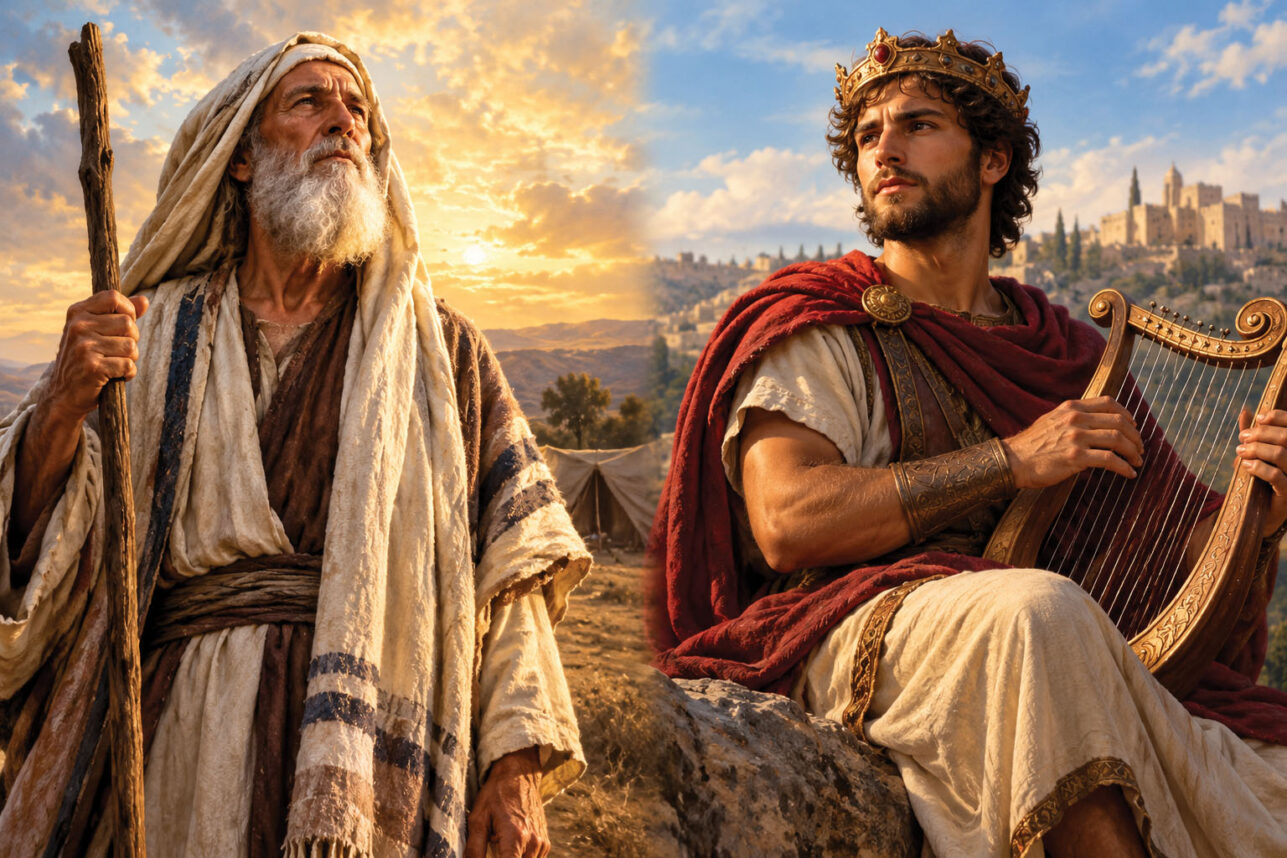
The Torah depicts Jacob clinging to Esav’s heel as he emerges through birth. There is an inherent tension between the brothers, evidently described in the Torah as “both the children struggled in her womb.” Jacob’s physical grabbing foreshadows his manipulation in stealing back his birthright. But perhaps, Jacob believed “hanging on” was the only road towards achieving the stature and title he believed he deserved. And it was this “hanging on” that perpetuated a fearful relationship between brothers, one that might have looked different if letting go was a plausible option.
Sometimes, letting go is the way to see another door, a hidden exit. We are drawn to the chase but perhaps, we can push ourselves to be drawn to a journey not yet traveled.
Shabbat Shalom
Rabbi Nicole Guzik is a rabbi at Sinai Temple. She can be reached at her Facebook page at Rabbi Nicole Guzik. For more writings, visit Rabbi Guzik’s blog section from Sinai Temple’s website.