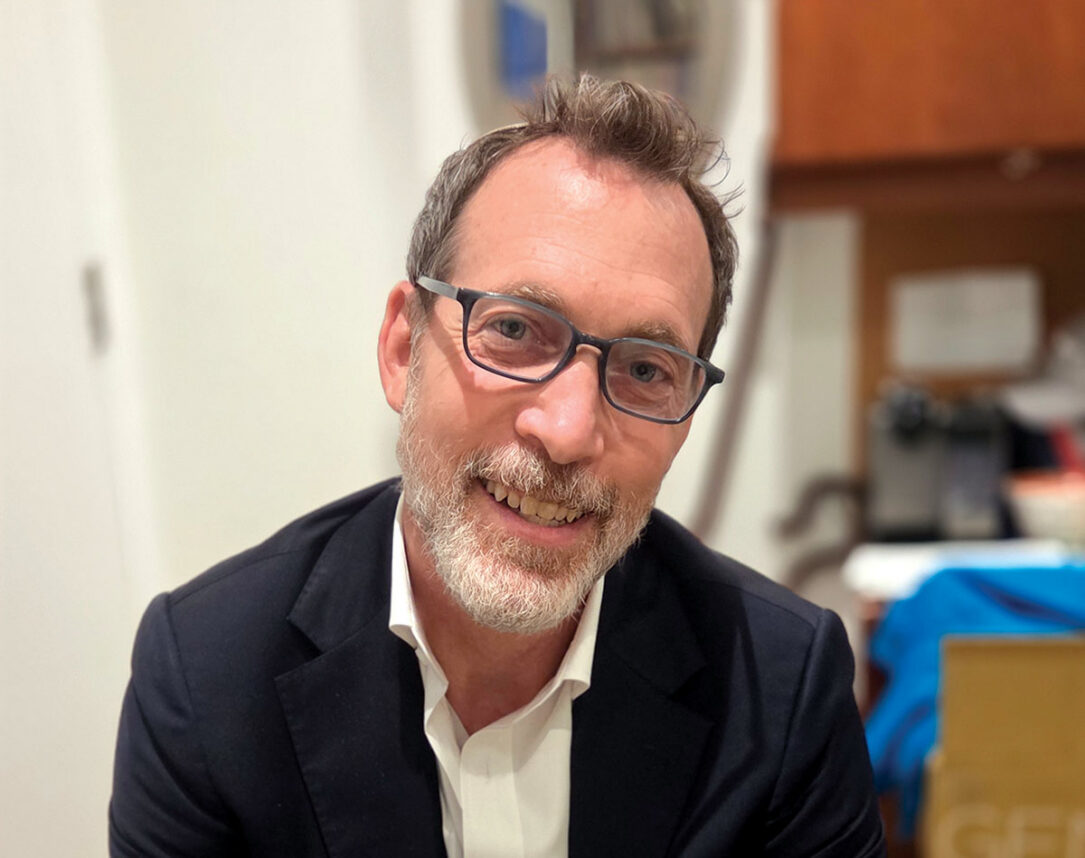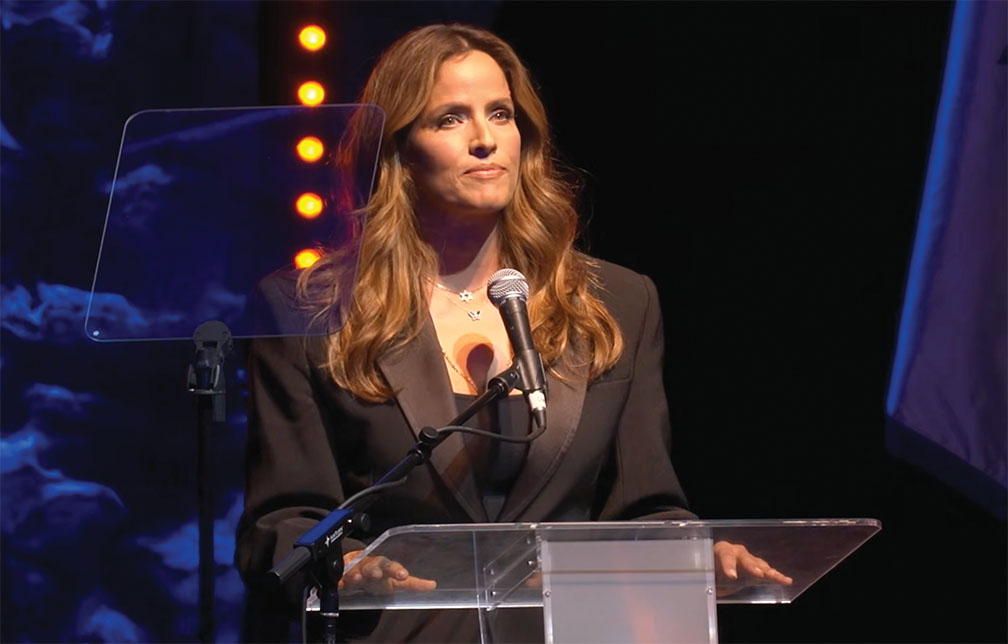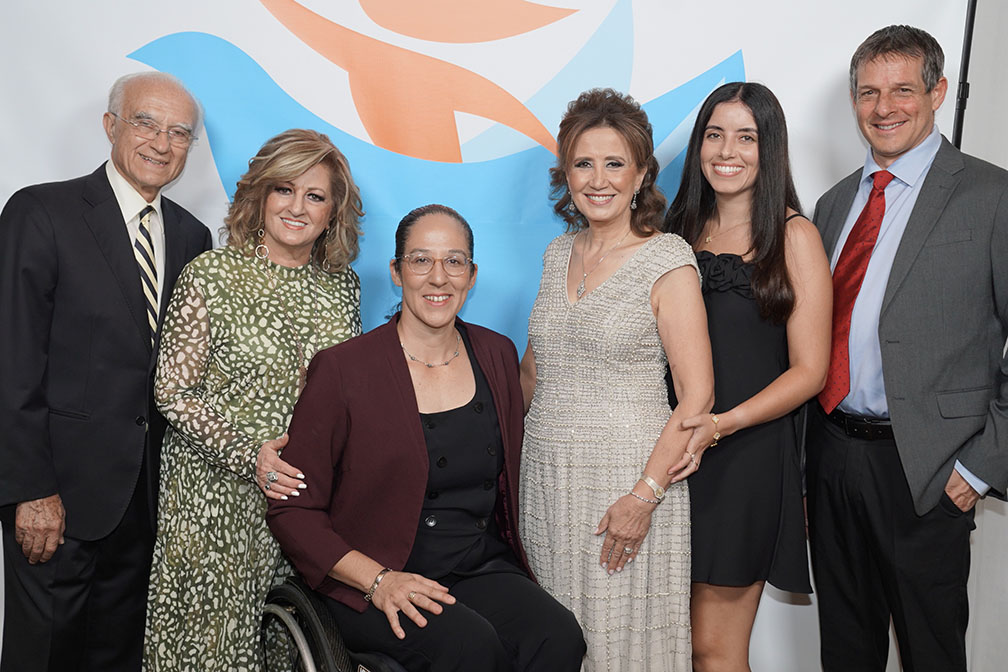
Our guest today is Rabbi Shana Mackler of The Temple – Congregation Ohabai Sholom in Nashville, TN. Rabbi Mackler was ordained at the Hebrew Union College-Jewish Institute of Religion in Cincinnati, June 2004. She also earned her Masters of Arts in Hebrew Letters from HUC in 2003. A native of Florida, Rabbi Mackler is a Phi Beta Kappa graduate of the University of Florida, where she earned a B. A. in Jewish Studies. Before entering rabbinical school, Rabbi Mackler taught full-time second and third grade Hebrew and Judaica at the Hebrew Day School of Central Florida. As part of her studies at HUC, Rabbi Mackler served congregations in Ishpeming, Michigan, Ft. Walton Beach, Florida and Natchez, Mississippi. During her final year at HUC, Rabbi Mackler earned the prestigious Simon Lazarus Memorial Prize for academic achievement, the Robert L. Adler Prize for outstanding leadership and the Rabbi Morris H. Youngerman Memorial Prize for the best sermon preached in the chapel.
This week's Torah Portion – Parashat Shelach (Numbers 13:1- 15:41) – features the famous story of the twelve spies sent to examine the land of Canaan. It tells about how the people of Israel cry and grumble against Moses and Aaron, asking to go back to Egypt, and about God’s declaration that they will spend 40 years in the wilderness. The parasha ends with a set of commandments concerning offerings to God and with a curious story about a man who is stoned for picking up sticks on Shabbat. Our discussion focuses on the different reports given by the spies sent to Israel and on what they can teach us about hope and risk-taking.
Our previous talks about Parashat Shelach:
Rabbi Debra Newman Kamin on the psychological state of the people of Israel
Rabbi Jeffrey Arnovitz on Joshua’s model of leadership
Michael Melchior on the identity of the spies sent to Canaan