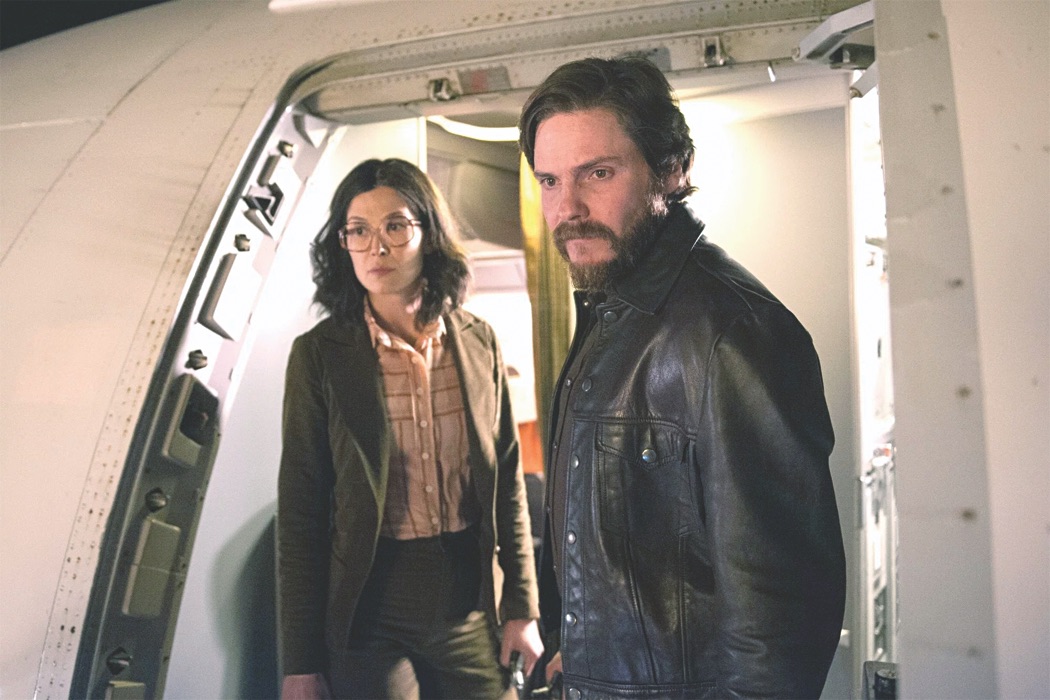
Operation Thunderbolt ranks as one of the most dramatic events in the brief history of the State of Israel. The miraculous story of Israeli commandos flying literally under the radar to liberate hostages in Entebbe, Uganda, on July 4, 1976, sounds more like a military fantasy than reality.
When I heard “7 Days in Entebbe” was opening in mid-March, I did some quick math and calculated the Hebrew date was on Rosh Chodesh Nisan. Passover is in the month of Nisan and Nisan is affectionately called the Month of Redemption by the rabbis of the Talmud. There could be no better time to experience a new film about the rescue mission to liberate the captive hostages of the Air France flight. So, on Rosh Chodesh Nisan, I went to see the film with a friend whose father was an Israel Defense Forces commando in Operation Thunderbolt.
I was rooting for this movie but it is overwrought and its messages are unnecessarily ambiguous. Artistically, the film is dragged down by a strange recurring dance sequence punctuated by an even stranger selection of music. Politically, anti-Zionists may call it hasbara (public relations) and Zionists may call it pro-Palestinian propaganda. In fact, it is neither, and that is a very good thing. But I did not go to the theater for the film’s messages, artistry, or its politics. I was there to feel something.
Every Passover, we read the haggadah at the seder and we are reminded of the obligation to imagine ourselves being redeemed from Egypt. For my ancestors, this may have been possible. They were regularly oppressed and routinely persecuted for being Jews, and it was hardly a giant leap to imagine personal slavery in ancient Egypt. But to a proud American Jew, living with equality and freedom, it seems impossible.
I may not be able to imagine myself as a slave in ancient Egypt, but I do have some idea of what freedom feels like.
I think the section of the haggadah asking us to imagine being redeemed actually is teaching us a powerful secret. The point is not to imagine we were actually enslaved and redeemed but to approximate the feelings of redemption that our ancestors felt. The seder and all of its rituals are meant to evoke those feelings. If it doesn’t, we should seek alternate means of achieving this result.
Storytelling is one way to consciously create feelings. A good story connects us to its characters and we are able to experience a version of their feelings. Ideally, the haggadah tells a story that creates this kind of empathetic feeling of redemption for us. However, there are other forms of storytelling that can help us feel the freedom of liberation from slavery, like movies. It’s why I went to see “7 Days in Entebee.”
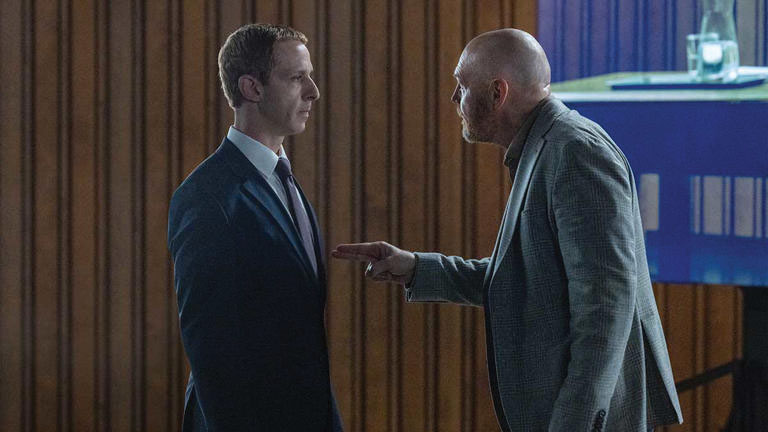
Toward the end of the film, Defense Minister Shimon Peres celebrates with Prime Minister Yitzhak Rabin. Peres and Rabin are the Moses and God of the Entebbe story — a dynamic duo working together to save lives. Peres turns to Rabin and says, “Congratulations, Mr. Prime Minister. You saved 100 Israeli lives today.” When I heard those words, I felt a strong tug on my heart. It was the emotional punch I’d been looking for. The joy of freedom. It was not my freedom, but I felt it anyway.
I will hold onto that spark of redemption and bring it to the seder. I may not be able to imagine myself as a slave in ancient Egypt, but I do have some idea of what freedom feels like thanks to “7 Days in Entebbe.”
Mission accomplished.
Eli Fink is a rabbi, writer and managing supervisor at the Jewish Journal.