
As a rule I tend not to talk to strangers, unless something compels me to.
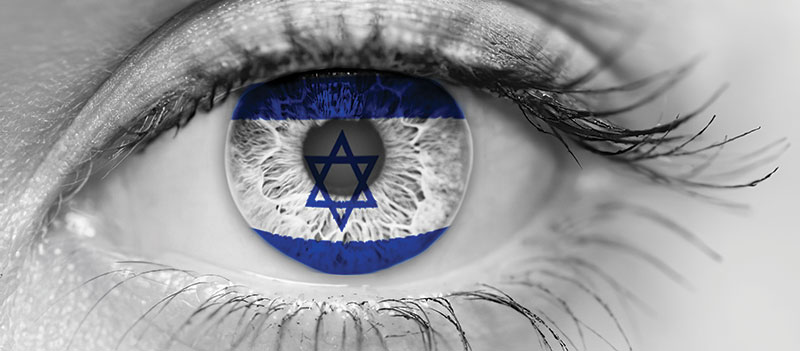
Over the years, one of those things has been any sign of membership to the Jewish tribe. I must have done this hundreds of times, often as I walk through airports. “Shalom alechem (peace be upon you)” I will say to a stranger who, say, is wearing a yarmulke. “Alechem shalom (upon you be peace),” I will hear back. I can’t remember ever not getting that response. Even if the Jewish stranger is not wearing a yarmulke, the tribal connection finds its way. Imagine: strangers finding an instant bond within a few seconds.
When one meets new people, it’s customary to look for things you may have in common (“I also love the Lakers!”).
When I meet a fellow Jew, we already have something in common– a few thousand years.
I’ve noticed that since October 7, I’ve kept a special eye out for Israelis. Anyone who speaks Hebrew or shows any sign of Israeliness is fair game. I’ll say something, usually in Hebrew, to let them know we’re on the same side. These conversations tend to last longer than a few seconds– there’s a lot to say about Israel these days. They usually end with a hug.
The rise in antisemitism has triggered a rise in Jewish unity, which of course is a good thing. Indeed, there’s nothing like a common enemy to bring people together. At the same time, we can’t depend on Jew-haters to unify us. It’s one thing to share common enemies; it’s quite another to share an extraordinary story that connects us through the generations.
We’re members not of a tribe that is hated but a tribe that has miraculously survived for thousands of years through the timeless wisdom of its tradition.
The pride of belonging to a people doesn’t mean excluding others. It means recognizing the value of one’s past to help create a future that keeps the story going.
Those sentiments are contained in the few seconds it takes to say “Shalom alechem” to a perfect stranger.
A stranger you’ve known for about 3300 years.
Shabbat shalom.