
2025 was such a mess it’s virtually impossible to come up with a word or idea to capture it.
I thought of an obvious one: chaos. This is what we feel when too much is going on and it’s hard to make sense of it all. An essay in a Harvard magazine described 2025 as “a year when chaos became ambient—not an event, but a condition.” Chaos was indeed part of the human condition in 2025.
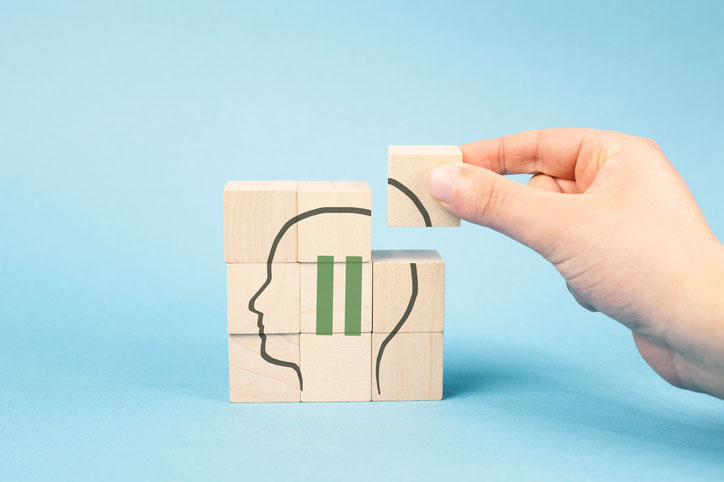
I also thought of the word transition. The changes and the shifts felt bigger than usual this year. Humanity has never had to deal with a technology as transformational as Artificial Intelligence (AI), which is growing exponentially. The rise of China as a superpower was also made clear in 2025, as well as the troubling transition to a more populist era.
To assist me, I looked at which “word of the year” was selected by dictionaries.
Oxford chose “rage bait,” the phenomenon of online content that triggers anger for longer engagement.
Three other words were connected to AI:
Parasocial, picked by Cambridge, is the feeling of a close connection to someone famous that you only know through AI.
Vibe coding, picked by Collins, is the use of natural language to prompt AI for coding.
Slop, picked by Merriam-Webster, describes low-quality, mass-produced AI content.
It was the last word, slop, that really got to me and that led to my own word to describe 2025.
Artificial.
Artificial can mean a lot of things, but for me it comes down to not being able to trust anything because we suspect it’s all fake. In that sense, AI is more than a transformational technology; it’s also a symbol of the times we’re living in.
Artificial can mean a lot of things, but for me it comes down to not being able to trust anything because we suspect it’s all fake.
Who and what can we trust these days?
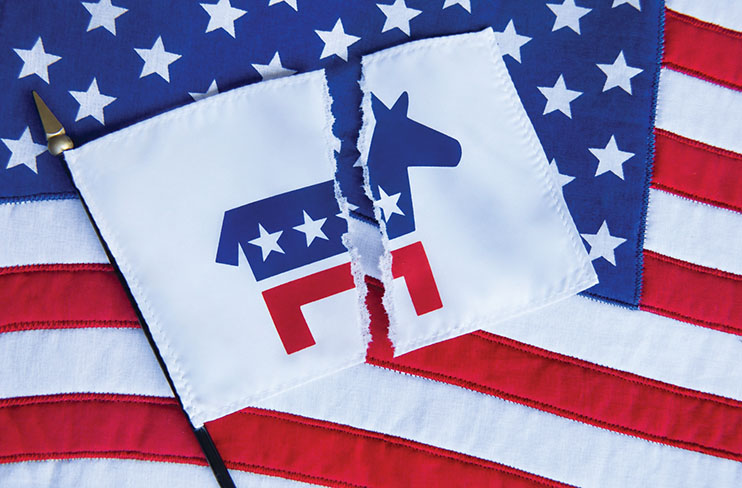
According to Gallup, public trust in media reached a new low of 28% in 2025. Trust in government is at its lowest point in nearly seven decades. Only 13% of young Americans (Gen Z) say the country is headed in the right direction, according to a Harvard poll, offering “overwhelmingly negative descriptions of Democrats and Republicans alike.”
The same poll suggests we can’t even trust our conversations, as “many young Americans avoid political conversations, fear judgment for sharing their views, and doubt that people with opposing perspectives want what’s best for the country.”
All of this lack of trust is rooted in a deficit of authenticity. More than ever it seems, we can’t trust what anyone says because we suspect everyone is hiding a personal agenda.
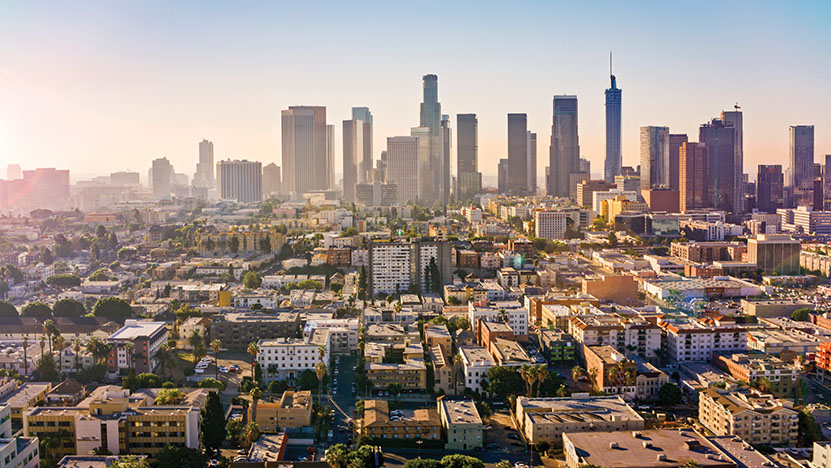
Here in California, we can’t trust our incompetent leaders to tell us the truth about the LA fires or the billion-dollar fiasco of a speed train to nowhere. The same is true across the country. We’re so used to not trusting I’m not sure we could handle someone who gives us the straight truth– and why would they if they think it will ruin their careers?
“The prevailing theme is the public’s pervasive distrust of virtually every institution in American life,” Karl Rove writes in The Wall Street Journal. “There’s almost no authority figure or august body in our society in which most people have confidence.”
The body language of 2025 was the eye roll that denotes chronic cynicism.
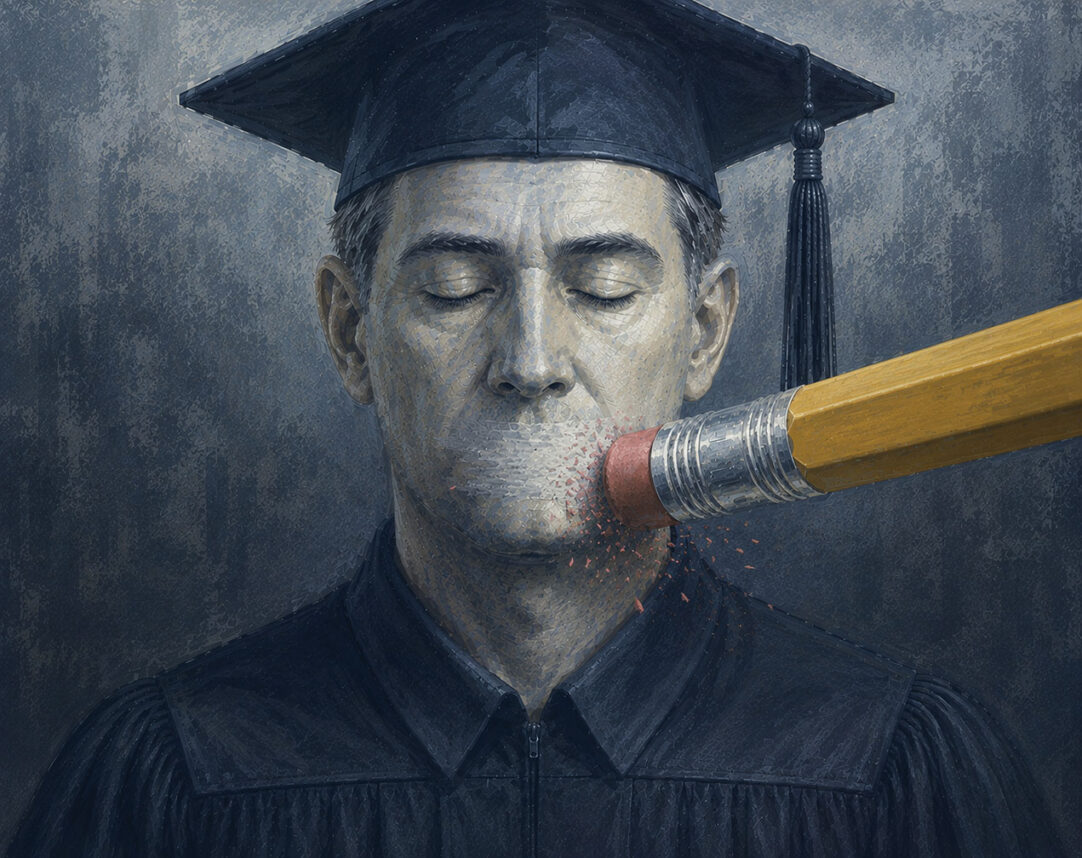
It’s as if the “artificial” in “artificial intelligence” has infiltrated our society to the point where we’ve become performers of good things rather than doers of good things. We act like we mean it knowing that we don’t. When leaders abuse a noble cause like Black Lives Matter for personal gain, or when Manhattan elites pretend to care for a working class they’ve never met, or when politicians in Minnesota pretend that a blatant billion-dollar fraud is not happening, or when college professors have no clue whether a term paper is real or not, you know we’re living in the age of fake.
2025 felt like the year that fake peaked.
It used to be that a picture was worth a thousand words and video evidence was a smoking gun. Today, we can’t even trust that a great short film on Youtube is real and not artificial. And thanks to digital AI magic, whatever can be done once can be repeated a gazillion times, with an impact on our youth we can only dread.
But there is some good news.
The more artificial our world has become, the greater the craving for authenticity. This is the theory of the backlash, when enough people rise up and say enough. It has started already with a growing movement to keep smart phones out of schools and bring back real human connection and social skills.
We must hope in 2026 and beyond that this craving for more authenticity becomes deep and broad enough so that the I ends up shining over the A in AI.
What has been true since the beginning of time is still true today: It’s only human intelligence that can save us from slop.