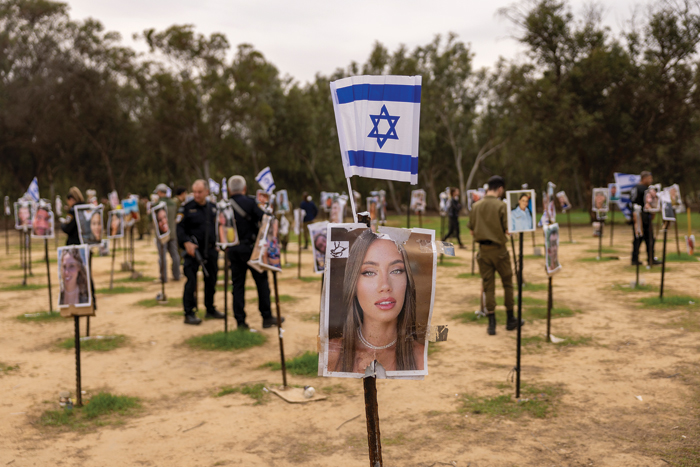
It’s a sign of how shell-shocked we were by the horrors of Oct. 7, 2023, that two years later, we’re still stuck on the number 1200, the innocent souls who were massacred that day at the savage hands of Hamas terrorists.
It’s impossible to overstate the intensity of Oct. 7— children slaughtered in front of their parents; hostages who were tortured or withered and died in Hamas tunnels; the never-ending national grieving; and, perhaps most shocking of all, the staggering inability of Israel to prevent the Hamas invasion and protect its citizens.
One way I can sense the singular darkness of Oct. 7 is that it has stopped me from seeing other signs of darkness since that fateful day. I still quote reflexively the 1200 who perished on that day, but I tend to overlook the 800 Israel soldiers who have perished since.
I think of a Charedi man I met in Tzfat who stayed up for 24 hours identifying dead bodies on Oct. 7, but I try to forget the tens of thousands of Charedi Israelis who have refused to serve in the IDF, with the full backing of their greedy leaders in the Knesset.
My heart continues to break for the hostages who were abducted on Oct. 7, but my eyes look away at how these same hostages have become an explosive cause that has convulsed Israeli society.
I’m so caught up in stories of Israeli families grieving their losses, it’s hard for my heart to find room for the thousands of Palestinian children who have perished in the war, some of whom look like my own children.
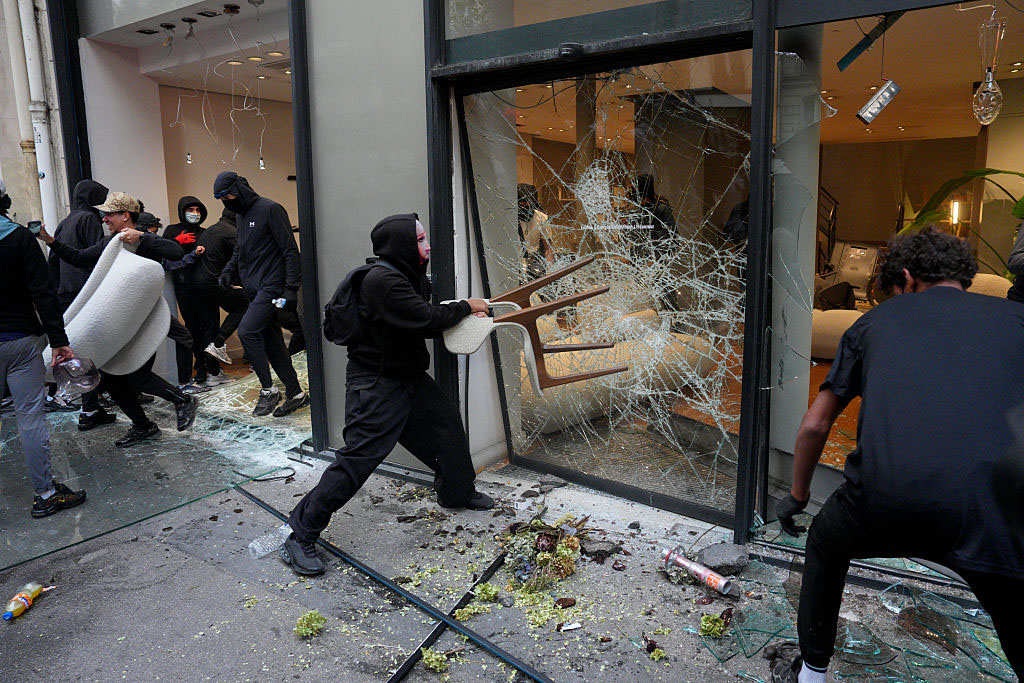
I lose trust in the Israeli leadership, I don’t fall for the empty promises of “total victory,” but then I’ll see the vile rise in global antisemitism and attacks on Jews since Oct. 7, and the complicity of the media, and I decide to keep my reservations to myself.
I’m disheartened by Israeli extremists attacking Palestinians in Judea and Samaria, but then I’ll think about Hamas deliberately hiding behind civilians since the war began, and decide there’s no comparison.
I’m still hypnotized by Oct. 7.
“Though two years have passed since the Hamas massacre, we are still grieving, enraged and afraid,” my friend Yossi Klein Halevi wrote recently in Times of Israel. “Polls show that many Israelis are no longer certain about the country’s long-term prospects. Hardly the emotional state conducive to moral self-inquiry.”
And yet, the human heart is an unpredictable thing.
While I’m still hypnotized by Oct. 7, I do have moments when my soul makes a moral crack in my heart.
My soul brother Yossi expressed the difficulty of making that moral crack when he asked:
“How then, in this poisoned atmosphere, are we to subject ourselves to moral self-critique? How dare we risk inadvertently reinforcing the campaign of hatred and lies?”
Surprisingly, his answer was neither tortured nor wavering:
“Because we have no choice,” he wrote. “Because preserving our moral credibility is essential for our strength. Because we cannot let the haters determine the inner life of the Jewish people. Because engaging in moral introspection reminds us that Zionism has won and that, even though we are vulnerable, we are no longer victims. Because we owe an accounting of our actions to our friends who have stood with us.”
I felt some of that reckoning energy during the Days of Awe. On the night of Kol Nidre, I spoke about avoiding the crippling habit of “here we go again,” a rote mindset that replaces hope with cynicism. I spoke about seeing everything with new eyes.
As I look back now on the darkness of the last two years, I’m trying to see the darkness itself with new eyes, even if that darkness implicates my own people.
I must believe it’s possible to confront two darknesses at once — the relentless darkness hurled at us from outside, and the more vexing darkness we must face inside our own tent.
I’m comforted by the possibility symbolized by the candles we will light inside our sukkahs this week. Of what worth is a candle, after all, if it has no darkness to illuminate?
Yes, I’m still hypnotized by Oct. 7, but I’m also mesmerized by the eternal Jewish instinct to spread light, and I have faith that our light will ultimately redeem that darkest of days.