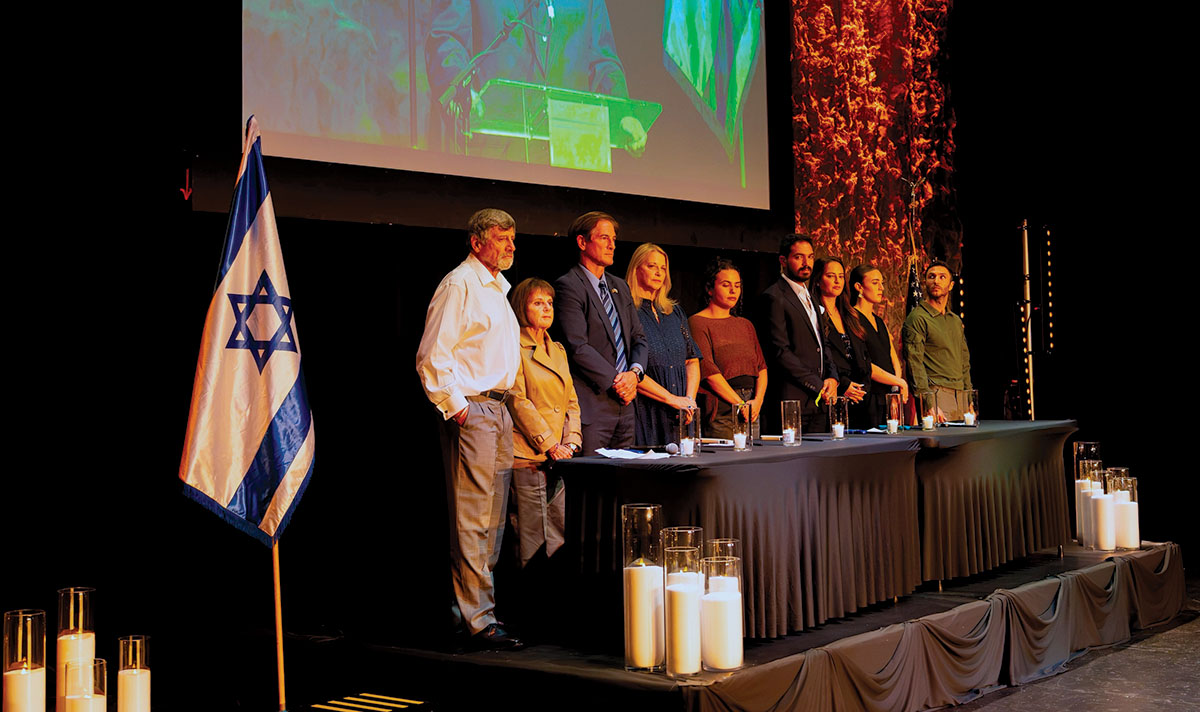
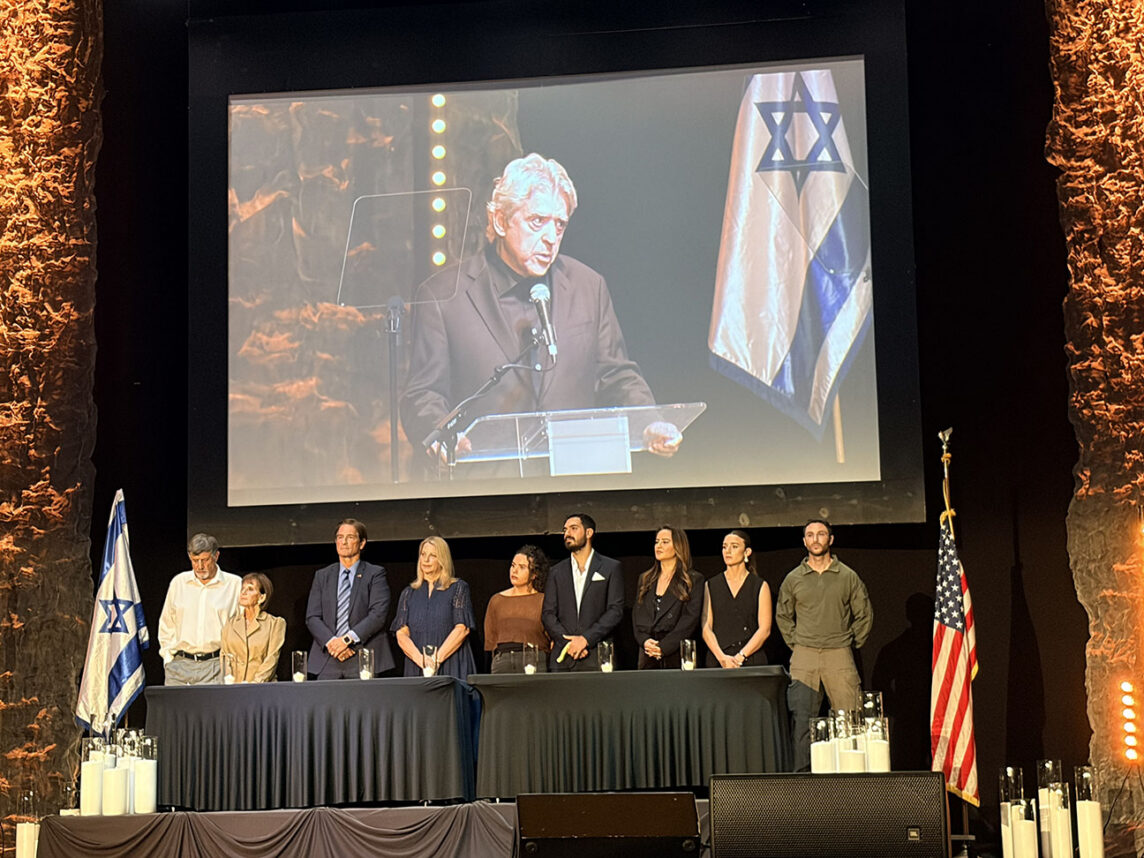
Sinai Temple has initiated a new Shabbat program to share different traditions from around the Jewish world. As Rabbi Sherman explained in his sermon on Terumah, just as the curtains of the Mishkan were gathered together so that “the Mishkan would become one whole,” Jews may come from different backgrounds but they are one people.
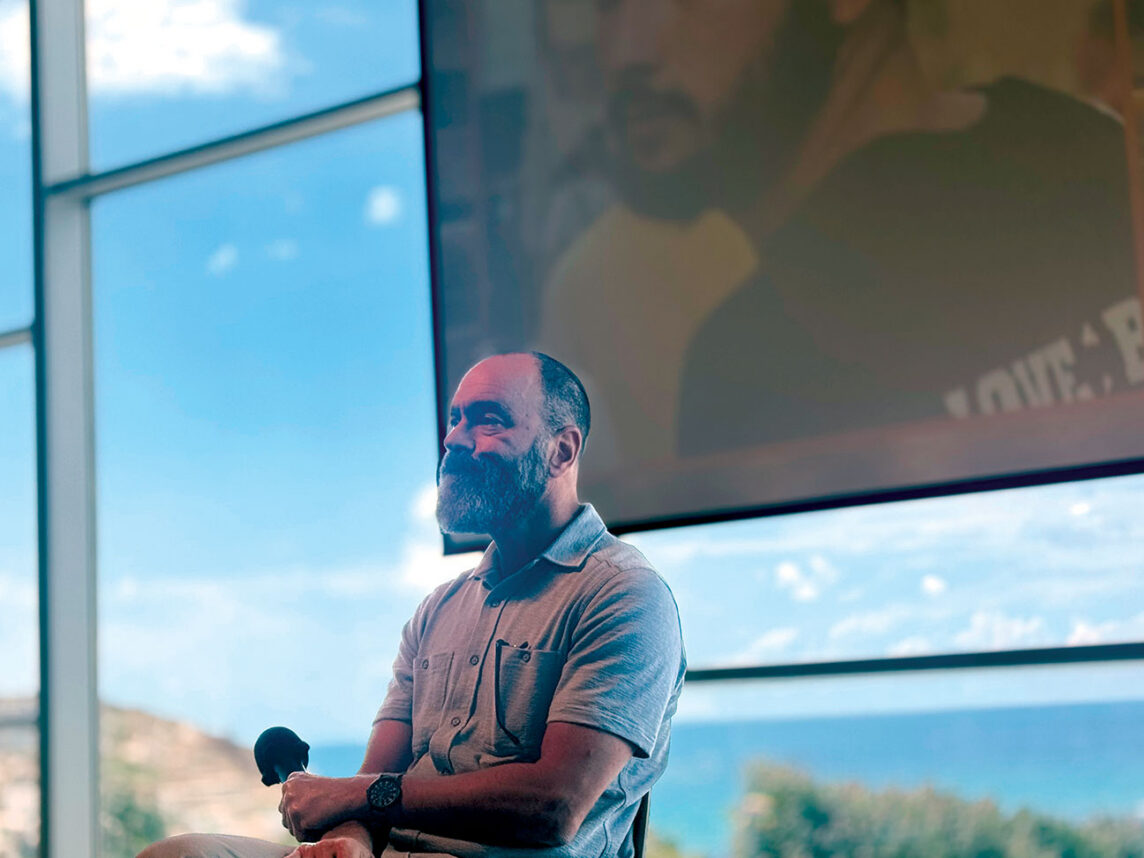
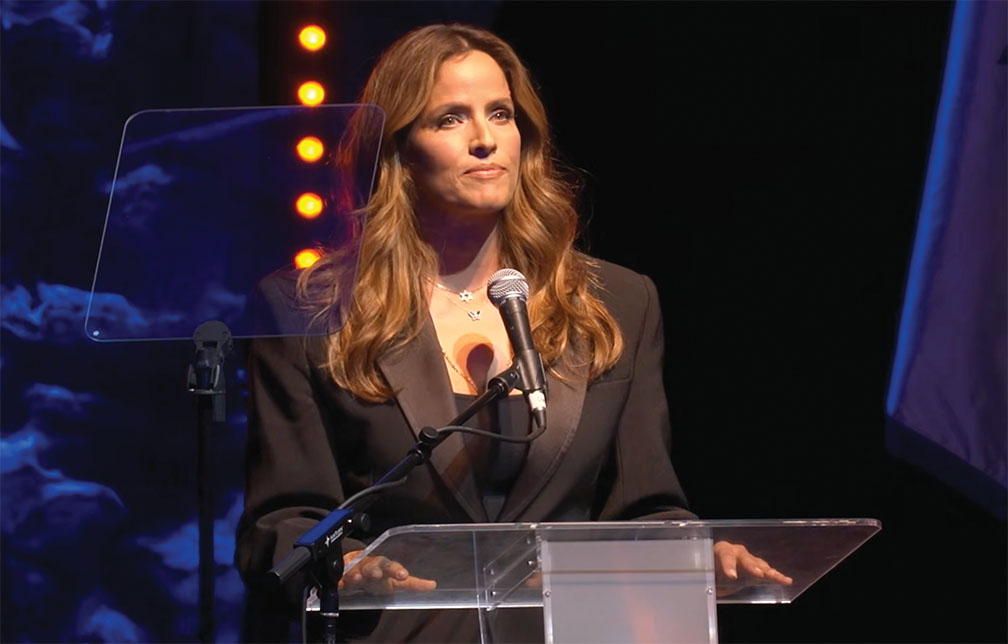
On a recent Shabbat, Sinai celebrated the Ladino tradition and invited me to tell my story:
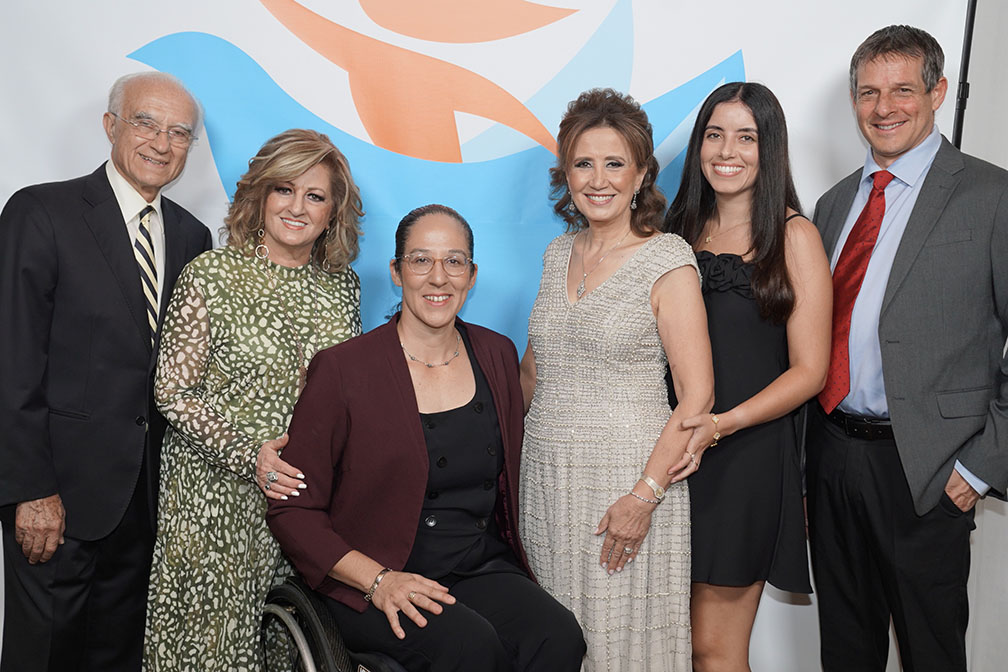
“My name is Rosa Berman Ruder, and I was born in Havana, Cuba. My parents, Enrique and Renee Benrey, were Sephardic Jews born in Turkey and spoke Turkish and Ladino when they were growing up. They learned Spanish when they arrived in Cuba, and we spoke Spanish at home. My parents spoke Turkish among themselves when they did not want my sister Clara and me to understand what they were saying.
“Ladino is the Spanish of the late 1400s that Jews took with them when they were banished from Spain by the Reyes Católicos, Fernando and Isabella, and is different from the Spanish spoken today because languages evolve over time and Ladino has many words from other languages that the Jews picked up in their exile as they settled in Mediterranean countries and in the Ottoman Empire.
“Ladino is also known as Judeo-Español, not only because it adopted many Hebrew words, but also because it reflects the Jewish culture. The curse ‘la streya que te caiga’ – may your star fall – reflects the belief that stars are connected to a person’s fate, and the blessing ‘novia que te vea’ — may I see you as a bride – reinforces part of the Jewish blessing given to children – may you achieve Torah, Chuppah and Ma’asim Tovim.
“Although Ladino is slowly dying as a spoken language, it is still used in Sephardic Jewish prayers, such as the blessing after Birkat HaMazon: ‘Ya komimos i bevimos i al Dyo santo Baruh U uvaruh shemo bendishimos. Ke mos dyo i mos dará pan para komer, i panyos para vestir, i anyos, munchos i buenos para bivir.’
“Besides love songs, there are many Ladino songs with Jewish themes. You may have heard ‘Quando el Rey Nimrod’ about the birth of Avraham Avinu, ‘padre kerido, padre bendicho, luz de Yisrael‘ and ‘Ocho Kandelikas,’ a contemporary Hanukkah song by Flory Jagoda. Rachelle Marcus sings Ein Kelocheinu in Ladino frequently at Sinai, ‘Quen como muestro Dio, Quen como muestro señor …’
“Sephardic culture encompasses food and traditions passed on from generation to generation. I remember my mother when I chop the ingredients for the Sephardic haroset, thick enough to shape into a pyramid, and I remember my father when my sons hold a bundle of matzot over their shoulder when reciting A lahma anya — this is the bread of affliction – during the seder. My father would tell me not to point to stars, and I later learned that this tradition dates back to the Inquisition, as that is how they would find out who the Jews were at the end of Shabbat.
“Sephardic food is very tasty – minas, cuajados, filas, burekas and bizcochos. May the traditions survive and may we continue to savor these delicious dishes for many years to come. Amen.”
Rosa Berman Ruder has served on the Sinai Temple board since 2002 and has chaired and co-chaired several committees.