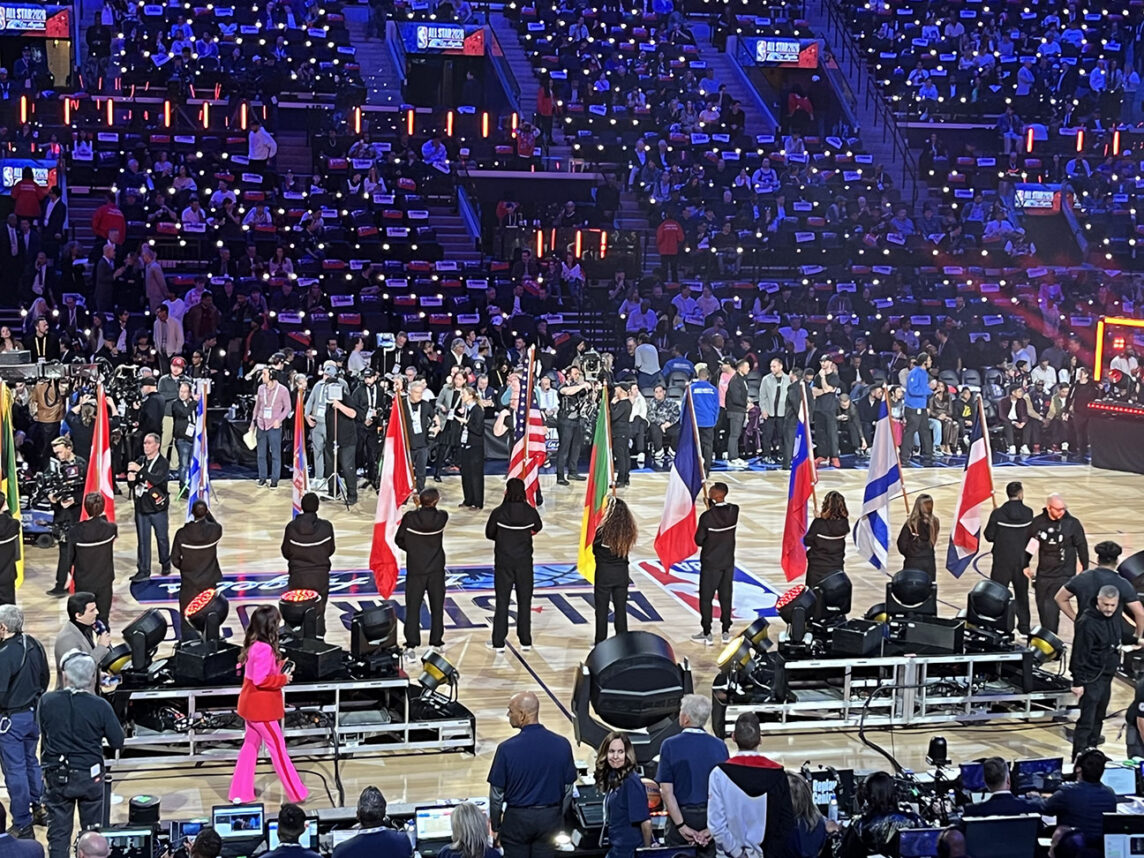

I decided to buy a television for the first time in 12 years. Netflix, Prime Video and Disney+ usually take care of my viewing needs, but I couldn’t bear to miss another year of the Olympic Games. It was impressive to see young athletes in their prime, displaying toned muscles and incredible stamina. They swam, ran and got into bed with another. Then I realized I was watching “Love Island.”
Much like the Olympics, gym membership is maximized and body fat minimized to join “Love Island,” and the show is definitely an endurance marathon, at least for the viewers. It’s the televisual equivalent of a 10km Olympic Marathon Swimming event, rather than a High Dive, simply because the conversational waters are too shallow.
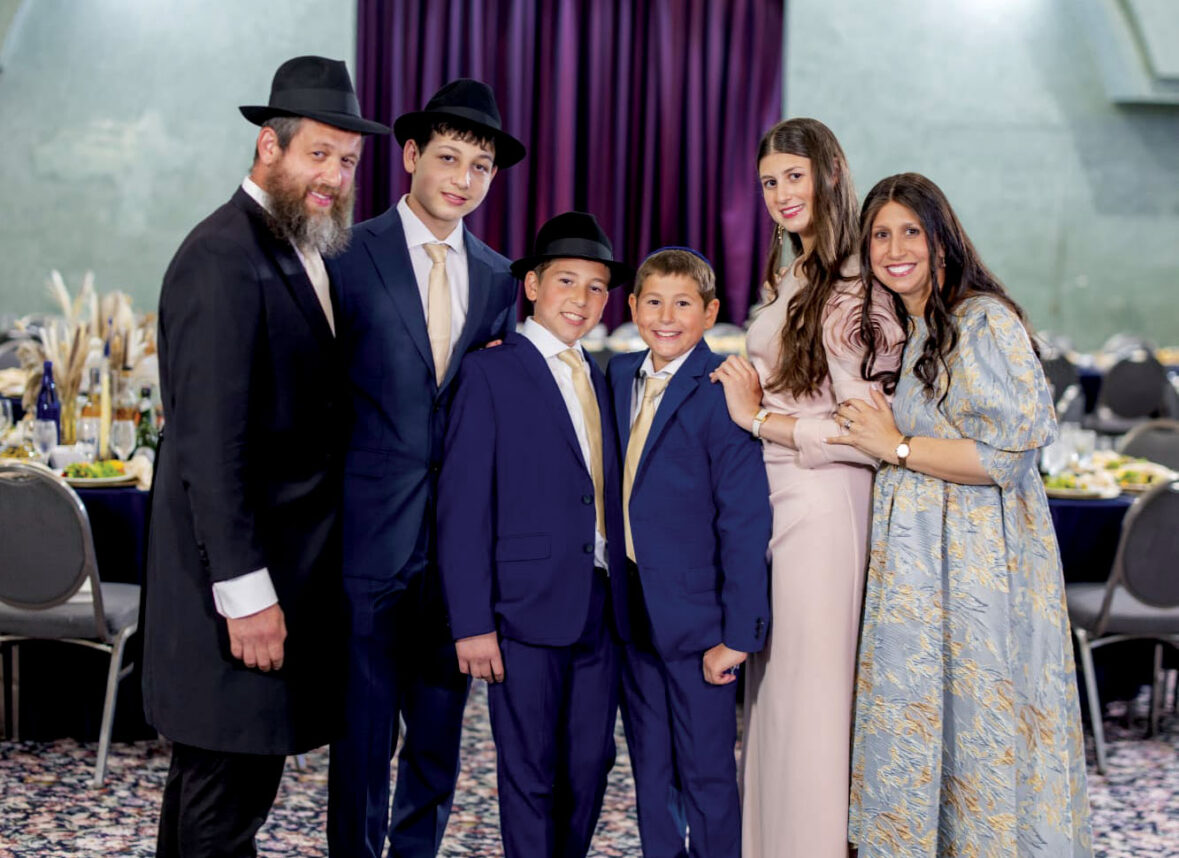
“Love Island” is the reverse of the traditional Jewish approach to dating. A typical shidduch date is more like “Mutual Values Island,” which has all the branding appeal of a five-day-old sushi platter. “Love Island” contestants often spend the night in bed together and then establish whether they like one another, unlike a shidduch, which happens in a public place, with physical contact held off until the wedding night. Television programming is generally unsympathetic to Orthodox Judaism, with mostly negative portrayals in shows such as “My Unorthodox Life,” “Unorthodox” or “Shtisel.” Israeli soap opera “Srugim” was more positive about the religious dating scene, but for the most part all we are left with are Reb Tevye’s daughters yearning for a matchmaker while some bloke is upstairs fiddling on the roof.
“Love Island” is the reverse of the traditional Jewish approach to dating. A typical shidduch date is more like “Mutual Values Island,” which has all the branding appeal of a five-day-old sushi platter.
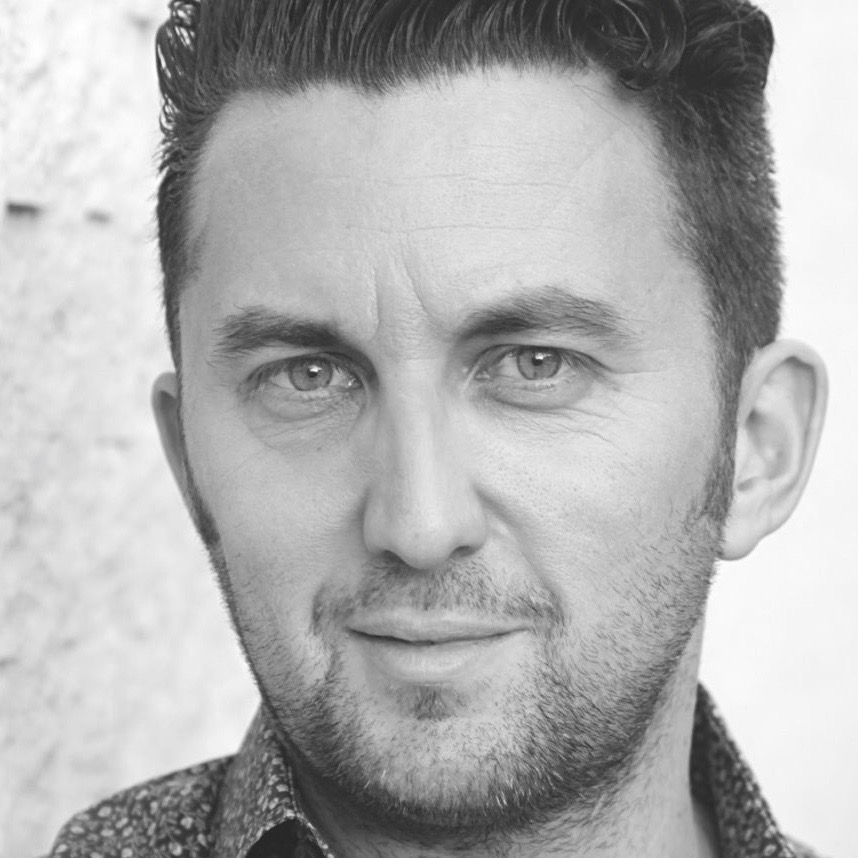
Back in the 2000s, I appeared in a UK reality series called “Ladette to Lady” featuring “young women who dwell in England’s underbelly are given the opportunity to clean up their lives.” A finishing school was set up for a group of women who included a gas fitter, a plumber and a car mechanic. They were taught skills for upper-class women and judged on prowess. Male suitors were shipped in for weekend social events, and the gents were refined, monied and upper-class. One person’s job was managing a pack of foxhounds that were used for weekend fox hunts back when the bloodsport was still legal. Then there was a Semite with frizzy hair, and I felt like the only Jew for a thousand miles.
The biggest challenge was a Friday night seven-course dinner that was being filmed and would eventually be broadcast on BBC worldwide. I stayed within a walkable distance since it was Shabbat, but not only was it not kosher, it was also the middle of Passover. I could barely look at the food let alone eat it. At the time, my day job was teaching at an eating disorders unit for anorexic teenagers, where I’d seen various techniques for sitting at a dinner and pretending to eat while just moving one’s food around the plate, which enabled me to engage in fake eating. I made an excuse to go to the bathroom and instead went to consume some kosher-for-Pesach cake and a handful of matzahs. A seven-course feast it wasn’t.
Are public morals in a freefall? The 1965 Dating Game show in the US was a chaste affair with an unmarried person behind a screen asking questions from three potential partners on the other side. Now we have “Naked Attraction,” where people choose a partner by evaluating their naked body standing on a podium like a Roman slave, a slab of meat on a butchers’ block. “Temptation Island” involved couples agreeing to individually live with a group of singles of the opposite sex and test the durability of their relationship, while “Too Hot To Handle” puts a bunch of modelesque singles in tempting situations in competition for a big cash prize that reduces whenever there is physical contact between contestants. For the most part, they manage feats of celibacy that sometimes last as long as seven hours, albeit while they are asleep.
Programmers are aware of the psychological consequences The 2018 “Love Island” contestant Niall Aslam, for example, visited a psychiatric unit after leaving the show. So far there have been three “Love Island” suicides, including two former contestants and one presenter. It is beyond horrific. At least 20% of the commercial breaks promote positive mental health, links to psychotherapeutic hotlines and messages to be kind to oneself. It’s like a heroin dealer handing someone a stash along with a leaflet for Narcotics Anonymous.
It looks like reality television is becoming increasingly sinister and just one step away from featuring “Celebrity Euthansia in Switzerland,” or “Real Car Crashes of New York City,” although news helicopters sometimes cover the latter. For now, I’m sticking to the Olympics.
Marcus J Freed is an actor, filmmaker and business consultant. www.freedthinking.com.