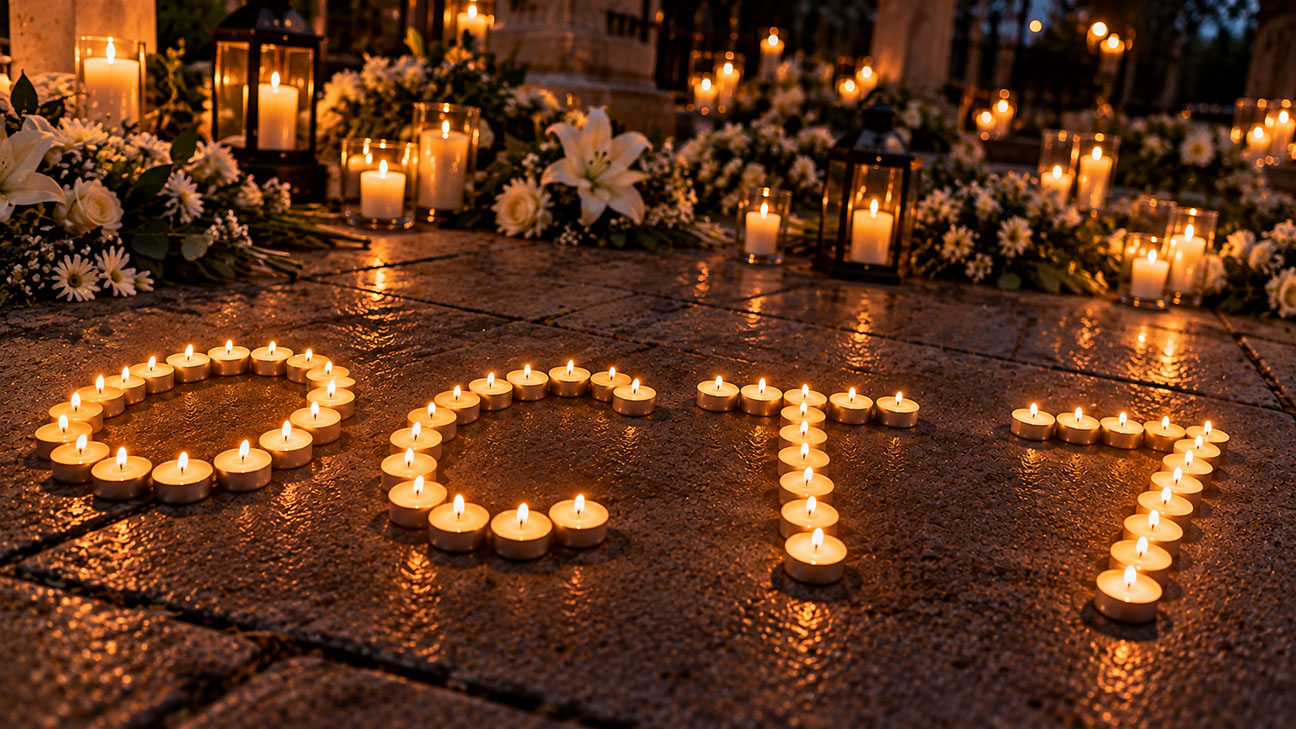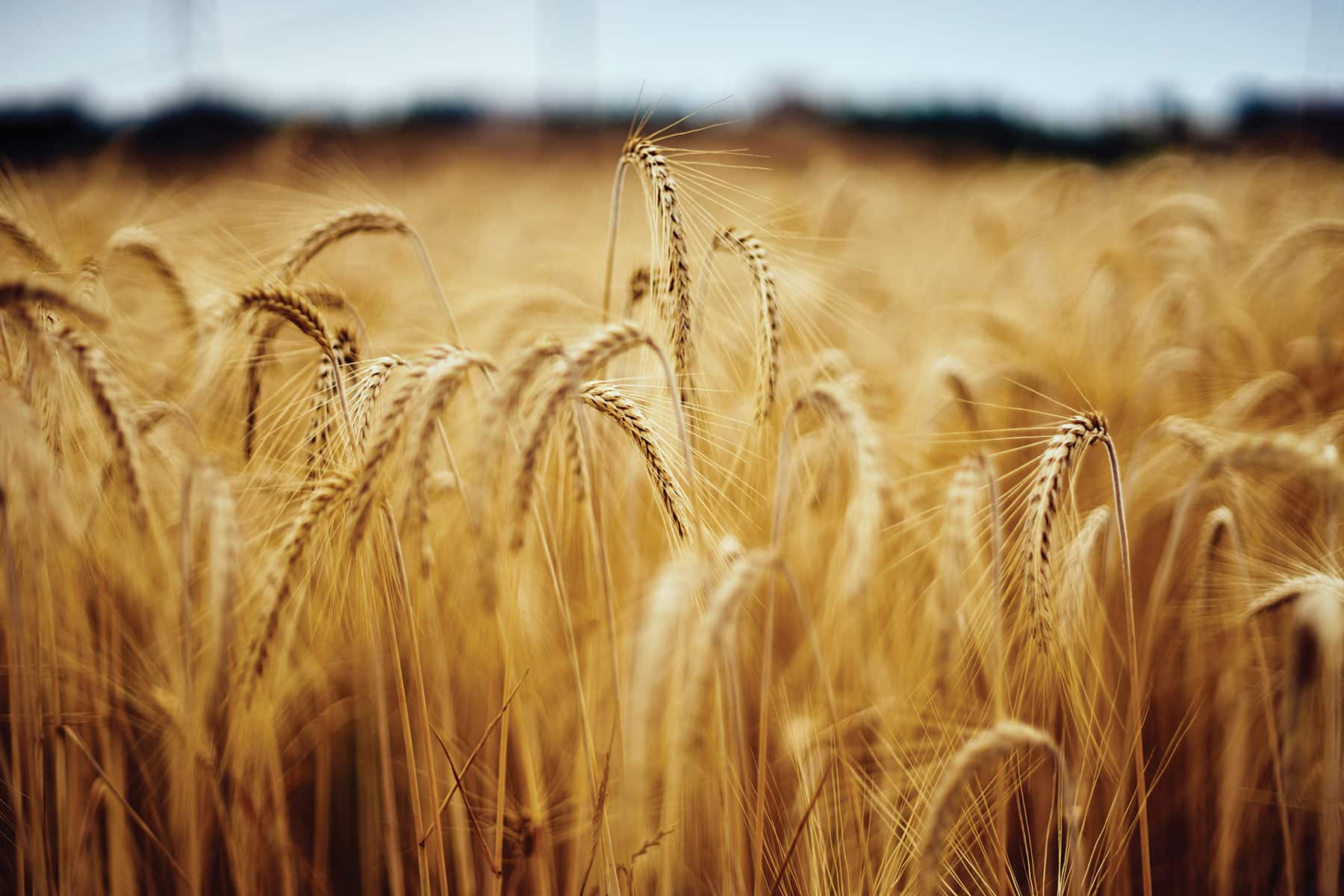
The Omer count is up to 25 days as I’m writing this, and for the first time I’ve tallied each one. Remembering to count the Omer every night has been easier this year. After all, its place as an annual period of mourning has felt more than a little on the nose. A week before the Omer started, I already had stopped going to concerts, getting haircuts and attending weddings.
But I also had stopped listening to music, which had more to do with the mood than the circumstances. It seemed inappropriate, especially in the early days of the COVID-19 pandemic, to seek distraction from the avalanche of bad news. Last week, in a fit of fiscal spirituality, I canceled my Spotify subscription.
Jews are not the only people growing out their beards these days. The Omer is having its moment. For example: “Here’s me on Quarantine Day 1” — insert picture of me looking clean cut and handsome — “and here’s me on Quarantine Day 58” — replace with a photo of a dog rolling around in dirty laundry. A veritable Omer meme.
What is it about counting the days during the worst of times? Have we all been reduced to contestants in a game of “Survivor” trying to outlast each other in physical and mental challenges?
In another example of Jews being millennia ahead of the crowd, gentile neighbors have adopted the ritual of marking time. These days, everyone counts. A newsletter I subscribe to called “Entrepreneurship Today” logs quaran-time through watercolors of objects around the author’s house. The most recent dispatch, Day 50 (assorted scented candles), made me realize that most of us — well, the lucky and responsible ones, at least — have by now endured a full Omer of sheltering at home.
You’ve got to hand it to these non-Jewish quarantiners, they’ve brought fresh ideas and practices to our well-trodden ground. They didn’t even take off Day 33. Just think, if Jews had been forced to wait 50 days at Mount Sinai for the Ten Commandments, we’d have built a whole herd of golden cattle.
What is it about counting the days during the worst of times? Have we all been reduced to contestants in a game of “Survivor” trying to outlast one another in physical and mental challenges, with the habits and comforts of the mainland lost to us in every sense but the rising and setting of the sun? Is it just gallows humor? Or a denominator to calculate the rate of change?
My sense is that when we count the Omer, we are adding up something else. We can’t always see what it is or why we are counting until it’s over. In the meantime, we will paint our watercolors, re-creating life each day anew, looking at the fixtures of our daily life — either intact or on hold — with new appreciation. That’s how we prepare to receive the Torah at the end of a wait that often feels interminable: by treating the journey like the destination itself.
An omer is a unit of dry measurement whose exact quantity is unclear. And who knows when our international, multicultural Omer will end, or what awaits us at the end of it?
It’s a strange Jewish phenomenon that we mourn when we are building holiness; that we should somehow reacquaint ourselves with beauty and royalty and compassion when we are at a loss for answers to mass casualties. But the lesson of the Omer is that these darkest moments can accelerate our closeness to God, that we can use the pursuit of the Omer’s seven sefirot — the three above, plus glory, strength, honor and resilience — to give the tragedy a purpose.
On the afternoon of March 11, I drove to my parents’ house. I remarked that it might be the last time we got together for awhile. My mother rejected that out of hand. No, no, we may be staying in, she said, but we won’t be staying apart. That night, an NBA player tested positive for the coronavirus, American sports shut down, then everything else, and that was that. My quarantine began that day. I’m on Omer Day 25 of 49, Quarantine Day 55 of as long as it takes.
An omer is a unit of dry measurement whose exact quantity is unclear. And who knows when our international, multicultural Omer will end, or what awaits us at the end of it? All we know is where we started. All we can do is make every day count.
Louis Keene is a writer living in Los Angeles. He’s on Twitter at @thislouis.