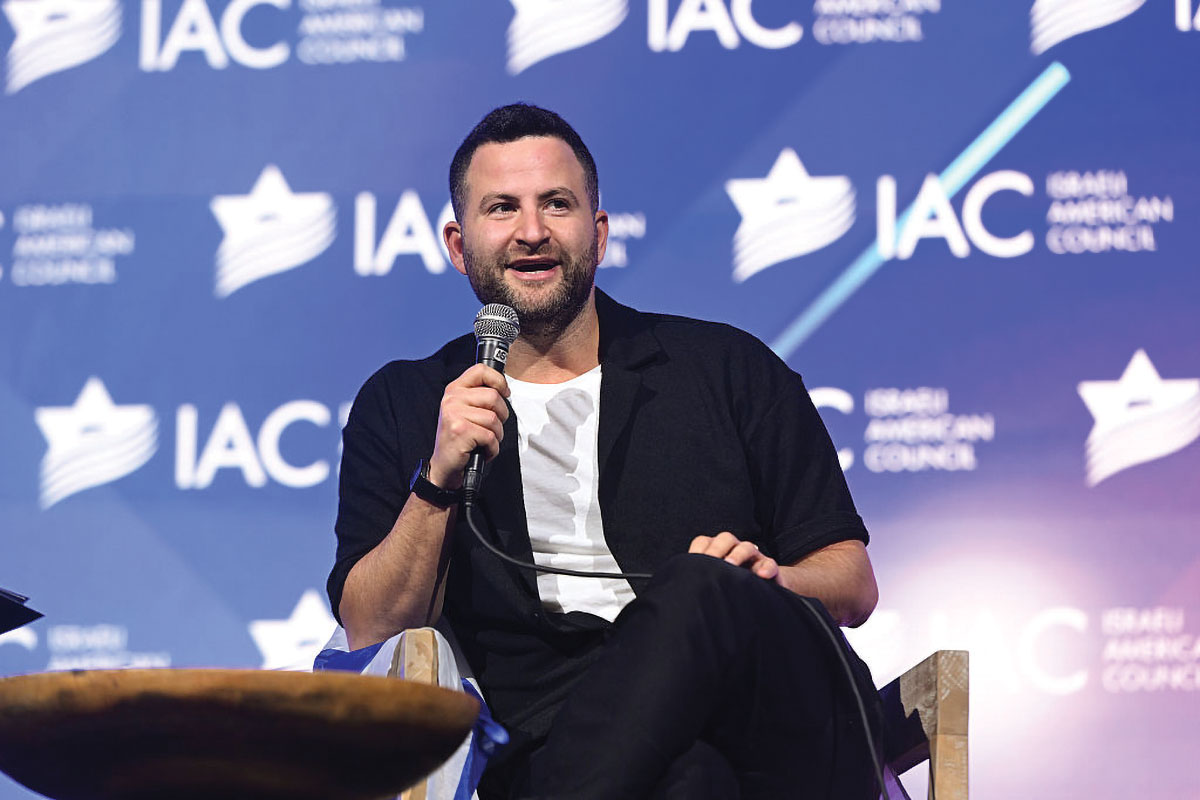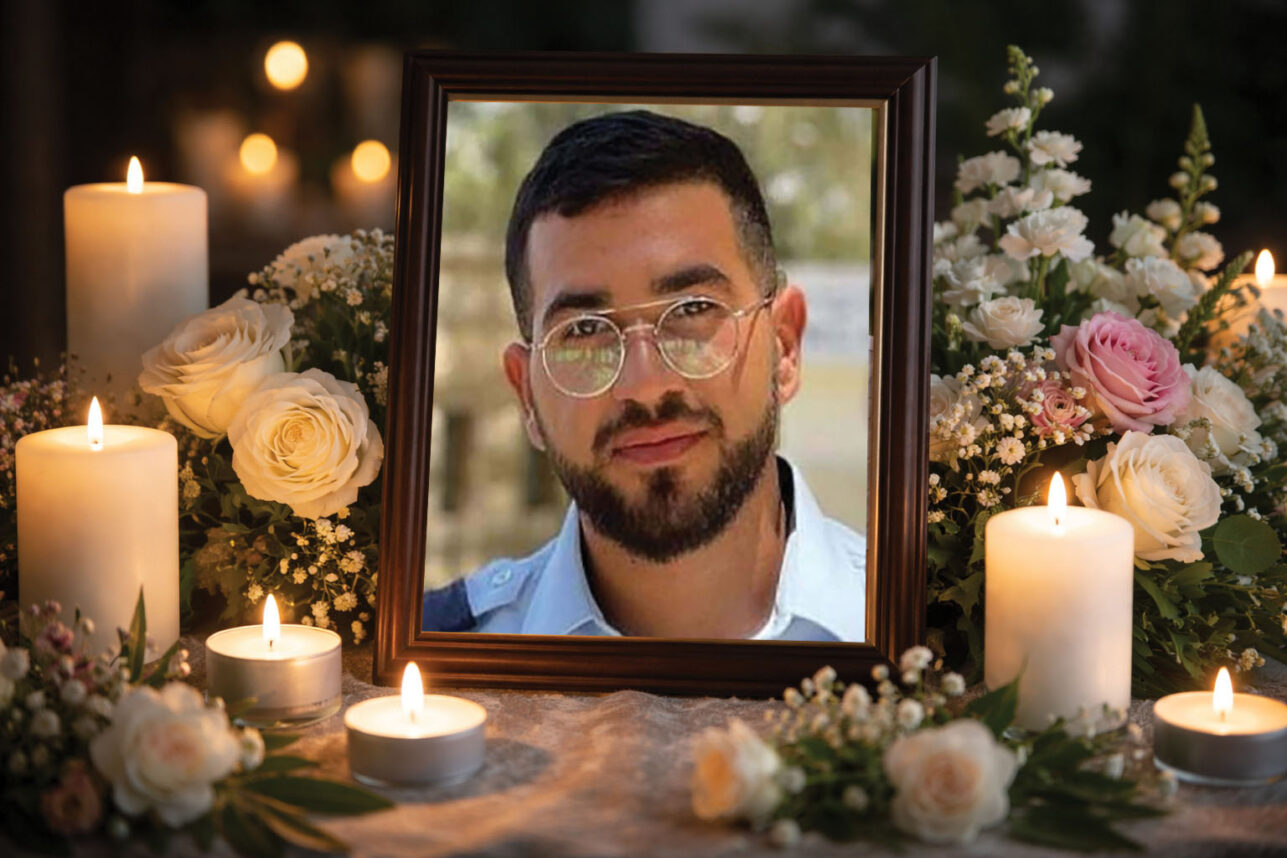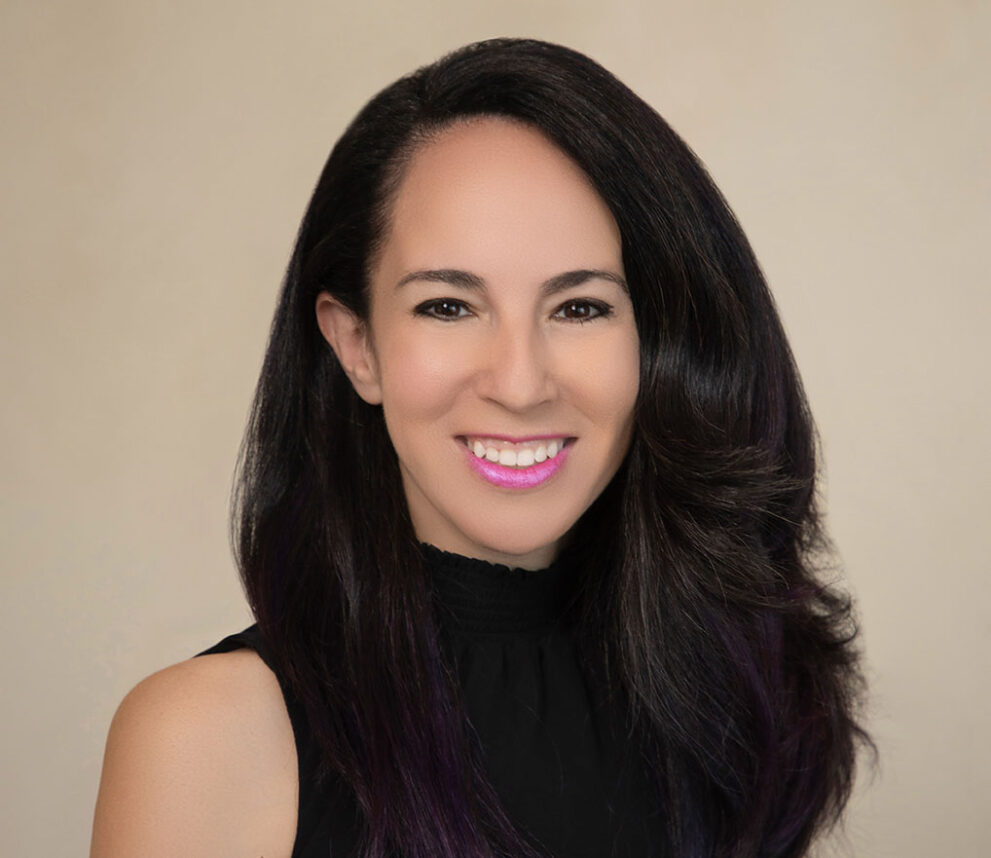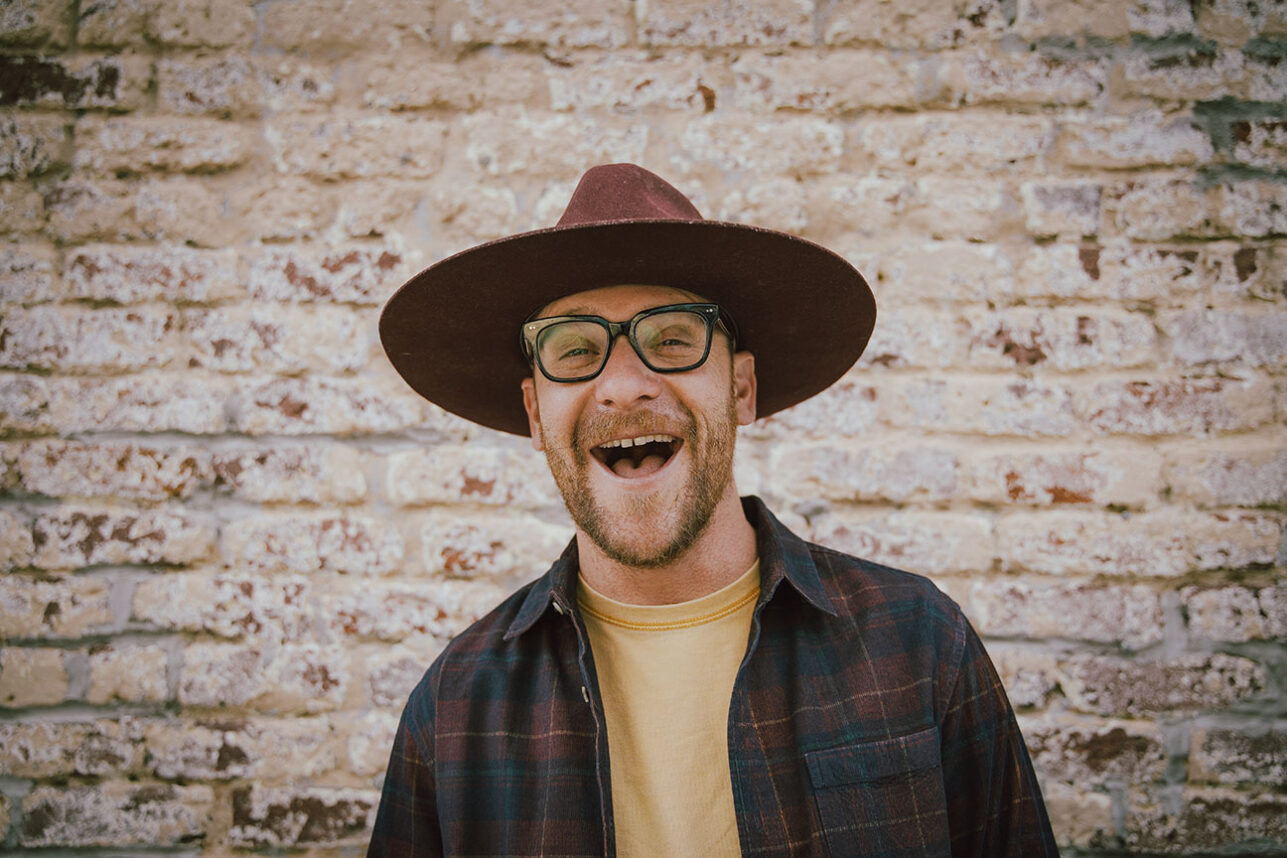
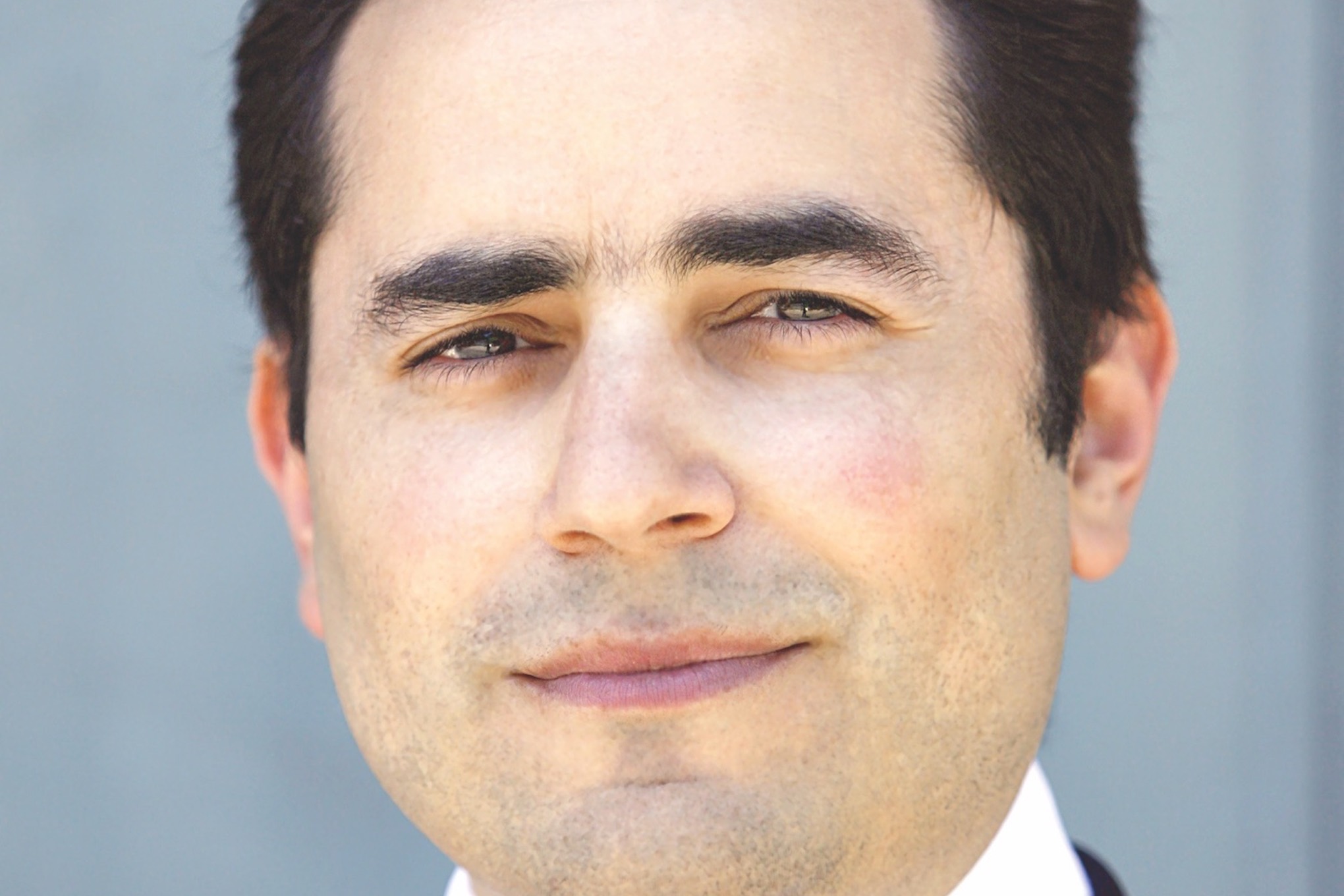
Hillel Neuer considers it a badge of honor that he is a “feared and dreaded” figure at the United Nations Human Rights Council (HRC), as the European newspaper Tribune de Genève once described him.
“There are people who cross the street in Geneva to avoid me,” Neuer said. As executive director of UN Watch, a nonprofit that monitors United Nations activities, Neuer is both watchdog and whistleblower, holding world powers to account when it comes to their human rights records. A lawyer, activist and humanitarian, Neuer spoke with the Journal from Geneva, where he lives and works.
Jewish Journal: As head of UN Watch, you define yourself as “the voice of conscience at the United Nations.” What’s it like to be the guy defending democratic ideals in a room full of non-democratic countries?
Hillel Neuer: It often feels surreal. You ask yourself how bizarre is it that you need to state basic truths in an arena that is often Orwellian, where the worst criminals are often the prosecutors and the judges.
JJ: The U.N. Human Rights Council notoriously singles out Israel for violations even as far worse offenders go unchallenged. Where is this discrimination most evident?
HN: During a given meeting, you’ll have resolutions — maybe one on Iran, one on Myanmar, one on North Korea and then five on Israel. And it’s not just the numbers: When there is a resolution criticizing a country, the practice at the U.N. is to recognize and acknowledge various positive things [a country has done], whether they are justified or not. But when it comes to Israel, even though Israel has done many positive things, none of this ever appears in the resolutions. This is part of an attempt to portray Israel as so evil, nothing good can be said of it.
“I’m the most hated man at the United Nations. I get looks of death from a vast array of people.”
JJ: What is the motive for a non-Arab, non-Islamic country with no history of anti-Semitism to vote against Israel?
HN: The U.N. is a political body and many resolutions and elections are decided by vote trading. ‘You vote for me, I vote for you.’ So the Islamic states number 56 and they will go to some island state and say, ‘We will give you 56 votes for your issues and all you have to do is vote for our resolutions against Israel.’ … It’s realpolitik.
JJ: It sounds like the Arab and Islamic states have outsized power at the U.N.
HN: Since the 1973 war [when the Organization of the Petroleum Exporting Countries, better known as OPEC] imposed an oil embargo, the Arab world has been clear that if you don’t do things they like, your country won’t have oil. Sovereign wealth funds from countries like Qatar have tens of billions of dollars they could invest in your country if you vote the way they want you to. There is also fear of terrorism. Some countries perceive that if they are too friendly to Israel, they will risk making themselves into a target for terrorist groups.
JJ: U.S. Ambassador Nikki Haley has won many fans in the Jewish world for standing up for Israel at the U.N. What difference has she made?
HN: There’s been a moral clarity. She’s been forthright in calling out what she sees as plain bigotry and things that make no sense. Seeing her hand raised to veto [the recent Jerusalem resolution] was a very powerful moment. An iconic picture, I would say.
JJ: Is your credibility ever challenged because you’re Jewish?
HN: I’m the most hated man at the United Nations. I get looks of death from a vast array of people — dictatorships like China, Russia and Cuba because we bring their victims [to testify] very effectively and ambush them. But at the end of day, I don’t walk through life worrying what my handicaps are. We all have them.
JJ: As a human rights organization sworn to defend Israel, how do you address Israel’s offenses against the Palestinians?
HN: Even if I’m aware Israel has blots on its record, I’m going to speak out against human rights abuses in Syria, Libya, Yemen, Venezuela. That’s our role. We’re there to deal with the subjects not being dealt with. Israel has dozens of NGOs [nongovernmental organizations] that hold the [government and] IDF [Israel Defense Forces] to account. We fill the void in Geneva.
JJ: What could Israel do to help your work combatting the prejudice against it?
HN: On the day of [Israeli] elections a few years ago, I had given a speech telling the world to look at Israeli democracy in action, explaining that more Arabs than ever had been elected to the Knesset, etc. … And then [Prime Minister Benjamin] Netanyahu made that xenophobic statement, ‘Arab voters are heading to the polling stations in droves,’ which was unhelpful to me. And I told his government that immediately.