
This isn’t the first Jewish Journal column I have written arguing that it is a good time to be a Jew. Previously, I called out those I thought were overly worried about the future of Israel and about threats to the Jewish people as a whole. There were plenty of reasons to be hopeful. With the Abraham Accords likely to be expanded and with Jews achieving unprecedented success in a wide range of endeavors, I was sure that a golden age for Jews was upon us.
That column appeared in the Sept. 29-Oct. 5, 2023 issue.
We know all too well what took place just a few days later. In light of the Oct. 7, 2023 massacre and the global rise in antisemitic rhetoric and violence that ensued, would anyone in his or her right mind consider this to be a “golden age”?
But, based on my perspective on Jewish life today versus in the past, and with an optimism that comes from my faith, I remain convinced that our prospects are bright.
Why? Because the way in which we have approached our Jewish identity has changed for the better.
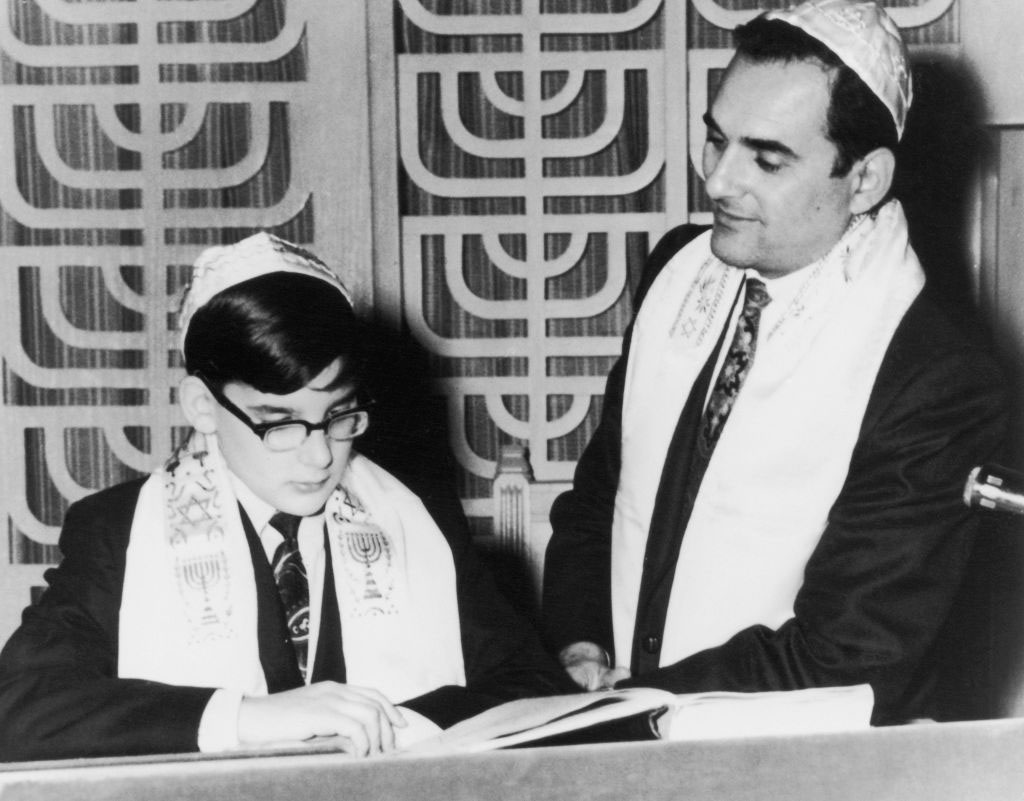
What a contrast with growing up in the ’50s and ’60s. Though my parents were devoted synagogue members and volunteers, I found Hebrew school to be uninspiring, and services a bore. My bar mitzvah extravaganza was purely performative, devoid of any spiritual meaning. I bet I’m not the only baby boomer who felt that way.
So why, given all that, did many of us continue to lead Jewish lives? For me at least, it was a sense of obligation. Having been raised in the shadow of the Shoah, and living in the Diaspora, being a Jew was a way to show the world that against all odds we had survived. Whether intentionally or not, that was the message I heard in temple and at home. If there was any real joy in being a Jew, I, for one, seldom experienced it.
I doubt that attitude could have secured our Jewish future. While obligation may have been enough for me and for some of my friends, I suspect it would not have been enough for my children and for theirs.
Fortunately, what it means to be Jewish has evolved, and Jews of all ages have been embracing their heritage with indomitable pride and genuine passion.
The challenges Jewish students have been experiencing at America’s colleges and universities are well-known. Yet, their response has been heartening. One of the benefits of being an active participant in campus Jewish life over the past four decades is having a front-row seat from which to view generational change. It has been thrilling to observe a transformation in how young Jews think of their identity. Some undoubtedly feel the trauma of the Holocaust, but contemporary Judaism represents so much more than that. It is summer camps and Birthright. It is Jewish Studies courses and programs such as Challah for Hunger. It is a Hillel community that grapples with the most vexing of issues. The campus environment for Jews has never been easy, and the past two years have been especially fraught, but the Jewish community perseveres.
It is gratifying to witness how the dreary experiences that pervaded my childhood have been replaced with something much more hope-filled and joyous. When I reflect on my life as a Jew today, I think of lively Shabbat dinners and inspirational synagogue services, and of the music, food and community that fortify me. And about the pride I feel in celebrating Jewish achievement in virtually every field imaginable, from sports to politics to the arts. Do I continue to worry about the future for Jews inside Israel and beyond? Of course. But after what once felt like a load to bear, being a Jew has become an invigorating lifeline that nourishes and sustains me.
So let’s immerse ourselves in the pleasures of being Jewish. Whether you observe Shabbat, limit your temple attendance to the High Holy Days, or represent your Jewishness culturally rather than ritually, proclaim your Jewishness loudly and clearly, bursting with gratitude and joy.
That earlier column turned out to be pollyannish. I pray this one will not be.
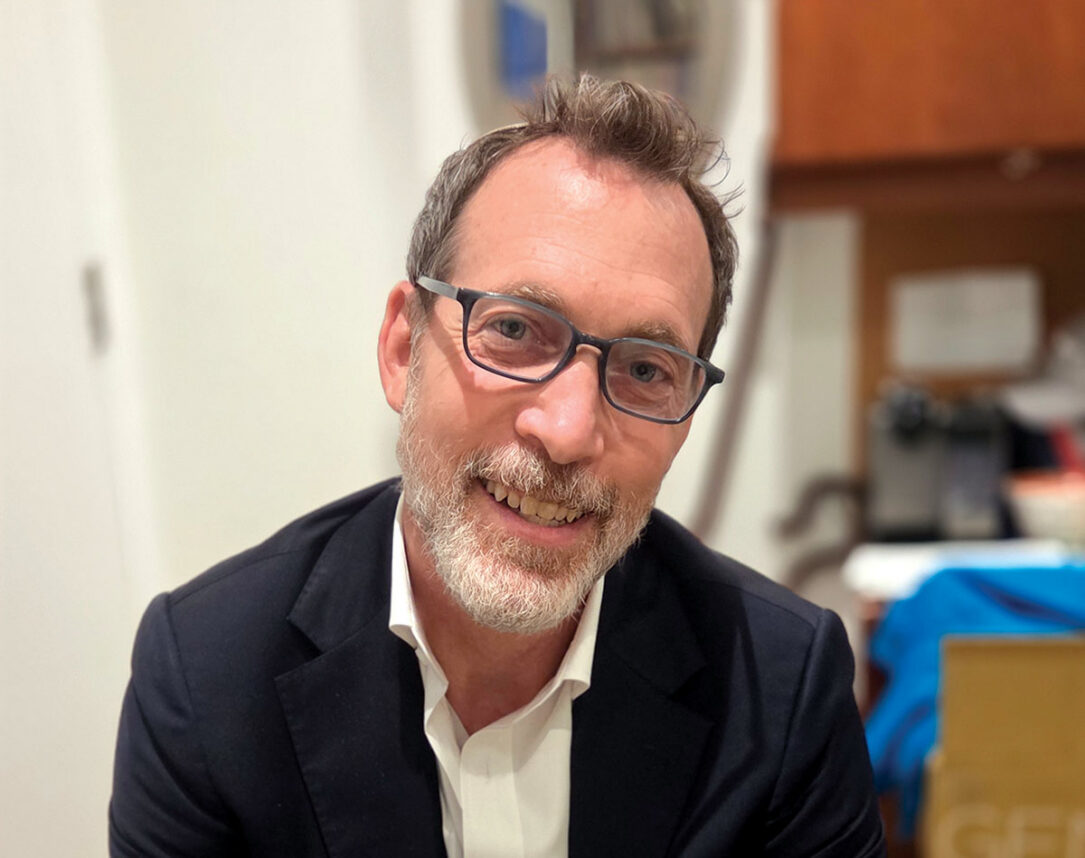
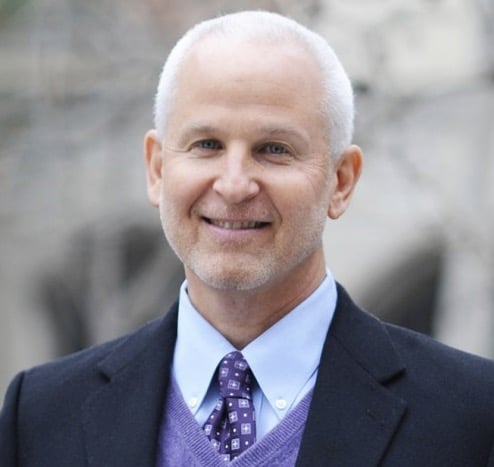
Morton Schapiro served for more than 22 years as President of Northwestern University and Williams College. He taught almost 7,000 undergraduates over his more than 40 years as an economics professor.