
Words can be broken just like eggs
when they have carelessly been dropped, and when they’re scrambled
they fall like dancers with weak legs.
Before words have been put to use they should be sampled
more for their taste than size,
and then allowed to stand en pointe and pirouette,
because unless they’re shameful lies
it’s possible to revise the shattered word-omelette,
making it as lovely as
six holy oranges and trees and lovely legs,
and summertime with Gershwin’s jazz,
which helps you to forget about your broken eggs.
Whereas no eggs can ever, once they have been broken,
be mended, promises we make
can be repaired when they’re respoken
as promises that we intend to keep
more faithfully than that we declare on Kol Nidrei
sung with music of Beethoven’s quartet in C Sharp minor,
implying that we will not all promises obey,
but break some like the fast of Yom Kippur when we’re allowed to be a diner.
Rabbi David Wolpe wrote, in “Brokeness”(https://www.youtube.com/watch?v=Lh-ICsgyou8), that according to kabbalistically-inspired rabbis the universe was created by a process of “shvirat hakelim,” the breaking of the primary vessels for which God created it. This concept implies that life is not a process in which we must not seek to achieve a goal of perfection but a program for repairing what we have broken. He quoted one of my favorite poems, “Robert Browning’s “Andrea del Sarto,” in which the poet explains the rationale of the concept of “heaven”:
Ah, but a man’s reach should exceed his grasp,
Or what’s a heaven for?
My son Zachary pointed out that my poem explains why Rabbi Shimon ben Gamliel states in Avot 1:17:
All my days I grew up among the sages, and I have found nothing better for a healthy body than silence.
I learned about the link between the music of the slow movement in Beethoven’s Quartet in C Minor on 9/16/26, in a Torah in Motion discussion about the music of Kol Nidrei, given by Eric Freeman, head of the Belz School of Jewish Music at Yeshiva University.
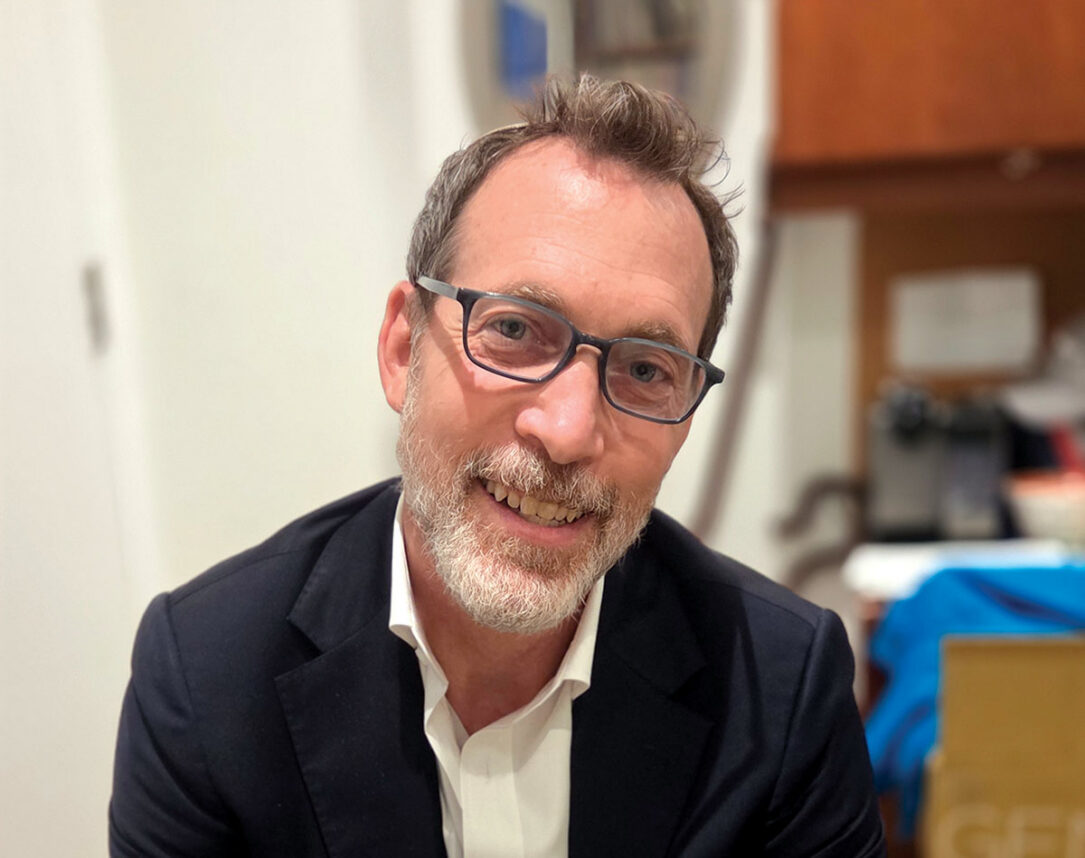
Gershon Hepner is a poet who has written over 25,000 poems on subjects ranging from music to literature, politics to Torah. He grew up in England and moved to Los Angeles in 1976. Using his varied interests and experiences, he has authored dozens of papers in medical and academic journals, and authored “Legal Friction: Law, Narrative, and Identity Politics in Biblical Israel.” He can be reached at gershonhepner@gmail.com.