Art is confession, and because of this it is the secret told,
Thornton Wilder once explained, but he’s not quite correct.
It’s a confession, as he said but also is a riddle rolled
in an enigma. We can’t tell what’s told, and only can suspect,
since at the same time that it’s told, as Thornton added, it keeps hidden
the very secrets that allegedly it will expose
but doesn’t, so whatever’s painted by the artist or is written
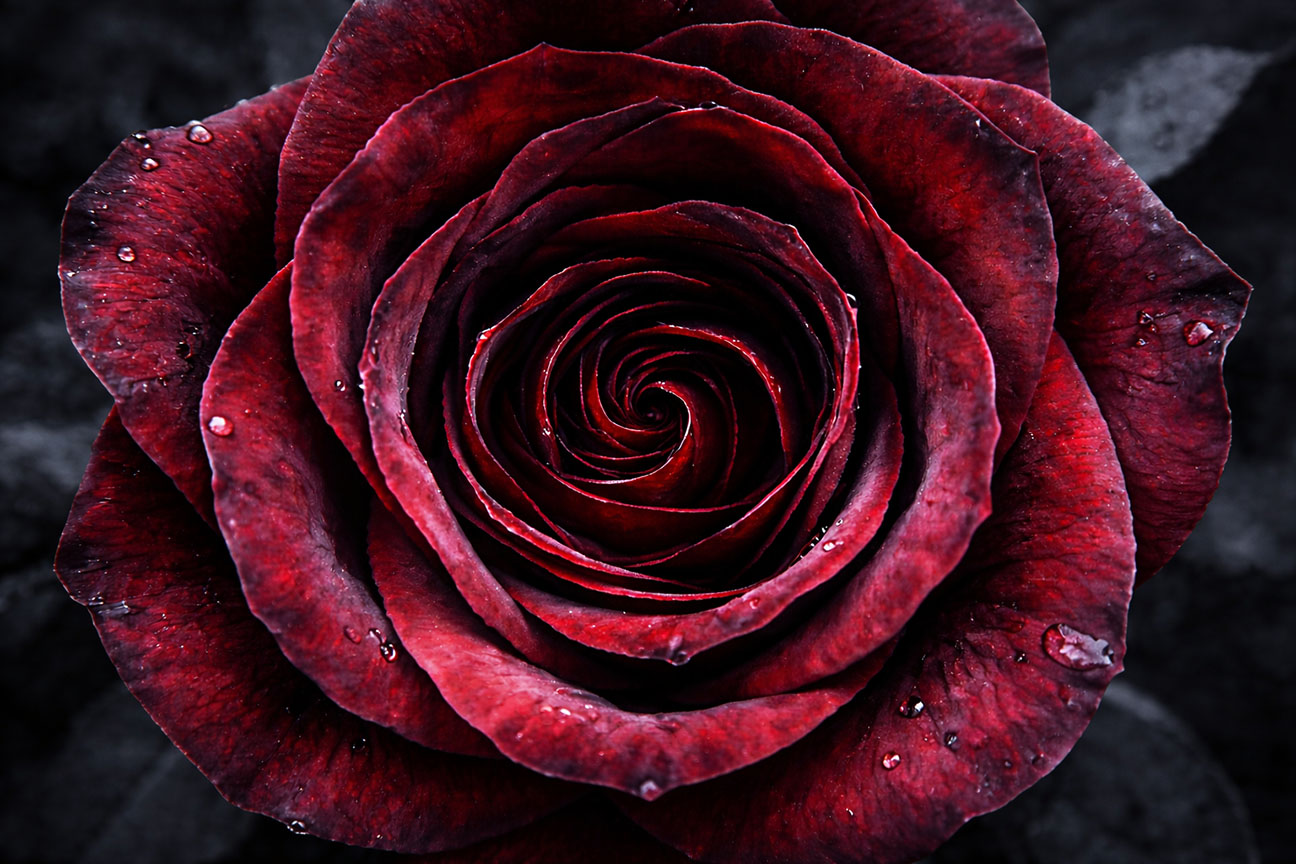
is a rose that has a name, but isn’t what you might suppose.
Regarding the relationship between the earth and heaven is
a riddle that Shoshani told Elie Wiesel and Emmanuel Levinas.
Charles Isherwood reviews Thornton Wilder: A Life, by Penelope Niven (“A Life Captured With Luster,” NYT, 11/1/12):
“Art is confession; art is the secret told,” Thornton Wilder wrote shortly after fame and the first of his three Pulitzer Prizes had come to him in his early 30s. “But art is not only the desire to tell one’s secret; it is the desire to tell it and hide it at the same time.” That suggestive formulation is as evocative today as it was when Wilder penned it in 1928. But now we are more likely to associate specific literary genres with the heart’s hidden truths: the ever-billowing genre of memoir is confession, we might say, and biography is the secret told.
In “The Riddler,”, Jewish Review of Books, Winter 2026, reviewing The Shoshani Riddle, directed by Michael Grynszpan, Sarah Rindner writes:
Amid the chaos and trauma of October 7, 2023, one of the innumerable cultural events deferred was the release of a unique documentary about the elusive Monsieur Shoshani. Shoshani’s mysterious persona, brilliance, and iconoclastic disposition have been the stuff of legend since he emerged from Europe after the Holocaust (he is depicted on the movie poster as a hunched-over figure carrying a suitcase). Shoshani was purportedly a master of Jewish tradition, Western philosophy, mathematics, science, and as many as thirty languages. He taught Torah everywhere he went—France, Morocco, Israel, and Uruguay—though what, exactly, he taught and where he came from remain a mystery. His students ranged from scholars and physicists to farmers and Holocaust orphans.
After he met Shoshani, the great French Jewish philosopher Emmanuel Levinas famously said, “I cannot tell what he knows; all I can say is that all that I know, he knows.” His gravestone in Montevideo, Uruguay, reportedly paid for by Elie Wiesel, reads, “His birth and life were sealed in a riddle.”
Although Shoshani’s life remains shrouded in mystery, the curtain seems to be drawing back, at least a bit. In 2021, the National Library of Israel announced Shoshani, whom Levinas once called “the Oral Torah in his entirety,” had left dozens of notebooks behind. Some of these cryptic notes, which Yoel Finkelman explored in these pages (“Think Over My Lesson and Try to Destroy It,” Fall 2022), had been preserved in a secretive trust by four of his students since 1969. Another trove was donated to the National Library by Professor Shalom Rosenberg, an Argentinian-born scholar of Jewish thought at Hebrew University who became close with Shoshani toward the end of his life. For the last fifteen years, French Israeli director Michael Grynszpan has toiled and puzzled over the notebooks and the life of their author. His result is The Shoshani Riddle, which chronicles Grynszpan’s hunt for Shoshani and his attempts to piece together the master’s life story.
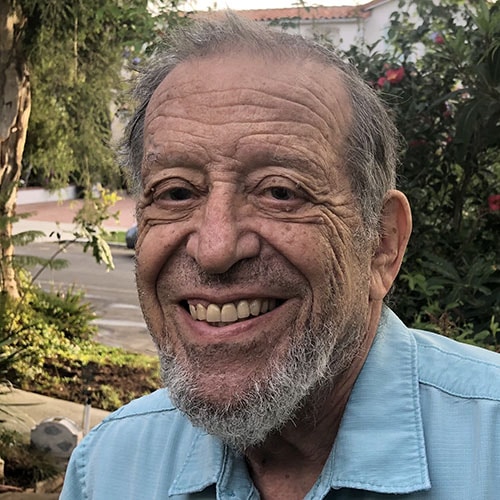
Gershon Hepner is a poet who has written over 25,000 poems on subjects ranging from music to literature, politics to Torah. He grew up in England and moved to Los Angeles in 1976. Using his varied interests and experiences, he has authored dozens of papers in medical and academic journals, and authored “Legal Friction: Law, Narrative, and Identity Politics in Biblical Israel.” He can be reached at gershonhepner@gmail.com.