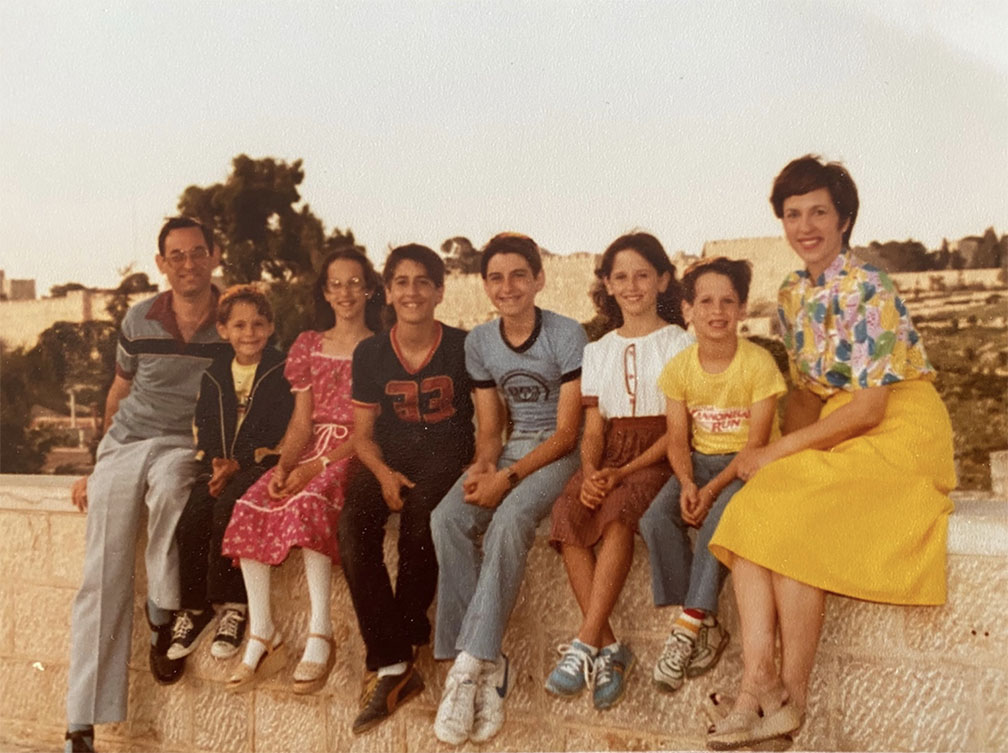
At first I was just The Baby, as in The Baby’s up, The Baby’s crying, The Baby’s wet, The Baby’s hungry.
Soon I had a name, a short one because my sister had bungled Elizabeth. I was Amy, just three letters, seemingly easy enough that no one could ever get it wrong
I had a middle name that was prettier than my first, Elaine. That name sounds like lace and refinement, polish and class, while Amy is a silly, clownish little girl name. I would have been a different kind of person if they’d named me Elaine, but I was Amy Elaine Weisz.
Can we talk about the name Weisz, in a world of Smith, Wagner and Green? Weisz is, to begin with, at the end of the alphabet, so that a student placed alphabetically always sits in the far right back end of a classroom, which is a place to daydream and cause trouble. Second, no one knows how to pronounce this name. How many times was I called Amy Wizz? Suffice it to say that I happily moved this name to middle-name status when I got married.
Now, when I was 14, I discovered that Jewish people usually have something called a Jewish name, whose purpose is murky. Is it a name by which God calls you? A secret handshake name? A pass to the world beyond? And the problem was that my parents did not remember my Hebrew name and had not bothered to document it. My mother would frequently say we were too Jewish to do something (like celebrate Christmas); or she might say we were not Jewish enough to do something else (abstain from pork). But there were gray areas: We were Jewish enough for me to have a Jewish name, but not Jewish enough to remember it. My mother fretted and called her elderly aunt to find out; she came back with two possibilities: Esther Golde (that would be my sister Elizabeth Grace) or Chaya Chenya … which has nothing at all to do with the name Amy Elaine. And is difficult to pronounce and to explain. Chaya means life, and Chenya is apparently related to grace. Had anyone really bothered to give me a Jewish name at all? If so, why such an ugly one?
I went with that, though my ketuba is written for Chaya Hannah. Because I just couldn’t imagine that Chenya is an actual name (though it is).
Later, when Jim and I had children, one of our criteria for names was that the name had to be simultaneously English and Jewish, which worked out completely except for our youngest, who is Yonatan and goes by Yoni, and when he goes into a professional office and they call Jonathan, I sort of don’t hear it.
Anyway, I married a Leserman, which is a real blessing. First, this name is easy to pronounce (though also easy to misspell), and blessedly in the middle of the alphabet, so my kids sat in the middle of the classroom, which is a good thing. I don’t have people asking me, “Leserman, where does that name come from?”
In one of the last conversations I overheard between my parents, they were talking about “The Baby” … and I was pregnant with my fourth child.
Then I became a grandmother, and had to choose a grandma name, and it was critical because the first grandchild chose the grandma name you have for the rest of your life. The name I chose was Safta, but as luck would have it, my first grandchild was slow to talk, and I was getting desperate to be called something, anything.
Safta? No.
Grandma? No.
Granny? No.
Bubbe? No.
Baba? No.
Meemaw? No.
I grew angsty.
Finally: Mamie?
Yes!
So now I’m The Baby Mamie Chaya Chenya Amy Elaine Weisz Leserman. My parents called me The Baby until the end. They’re gone now, and so are the voices that called me that. But somewhere along the way, a little boy who couldn’t say Safta gave me another name that I’ll be happy to carry to my grave.
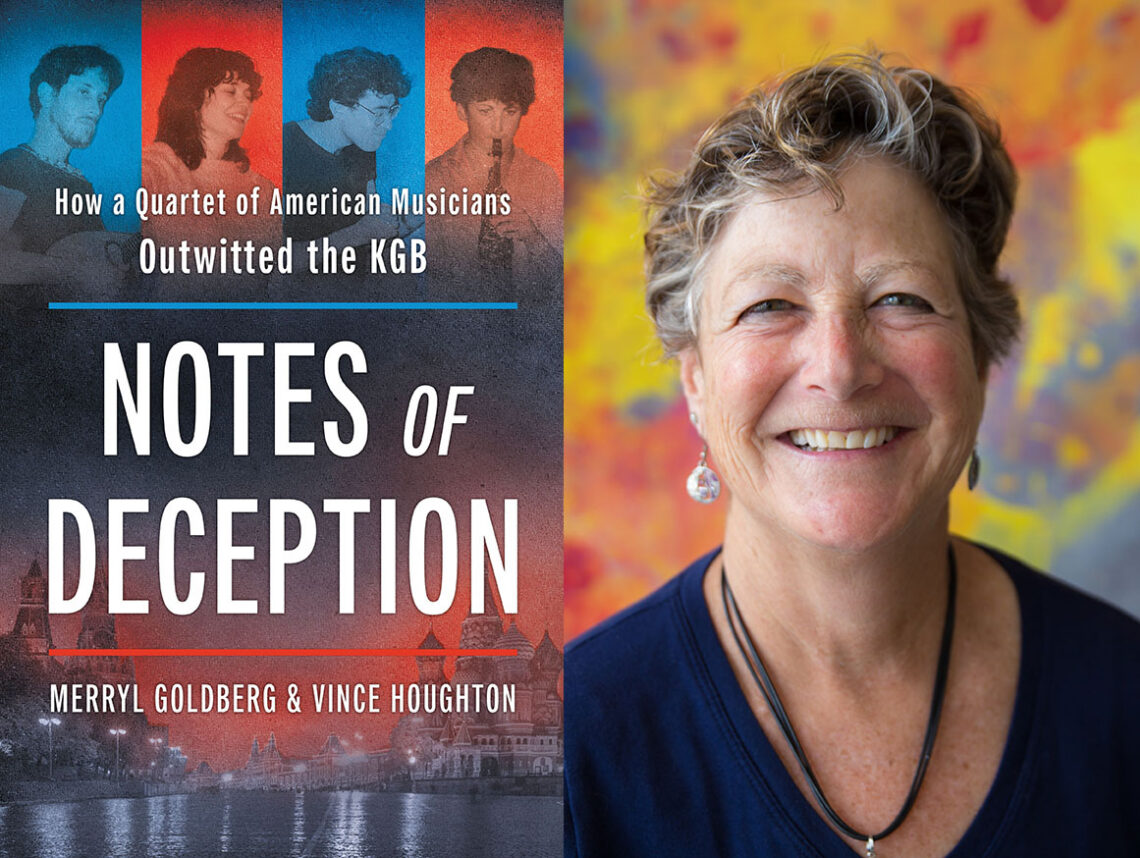
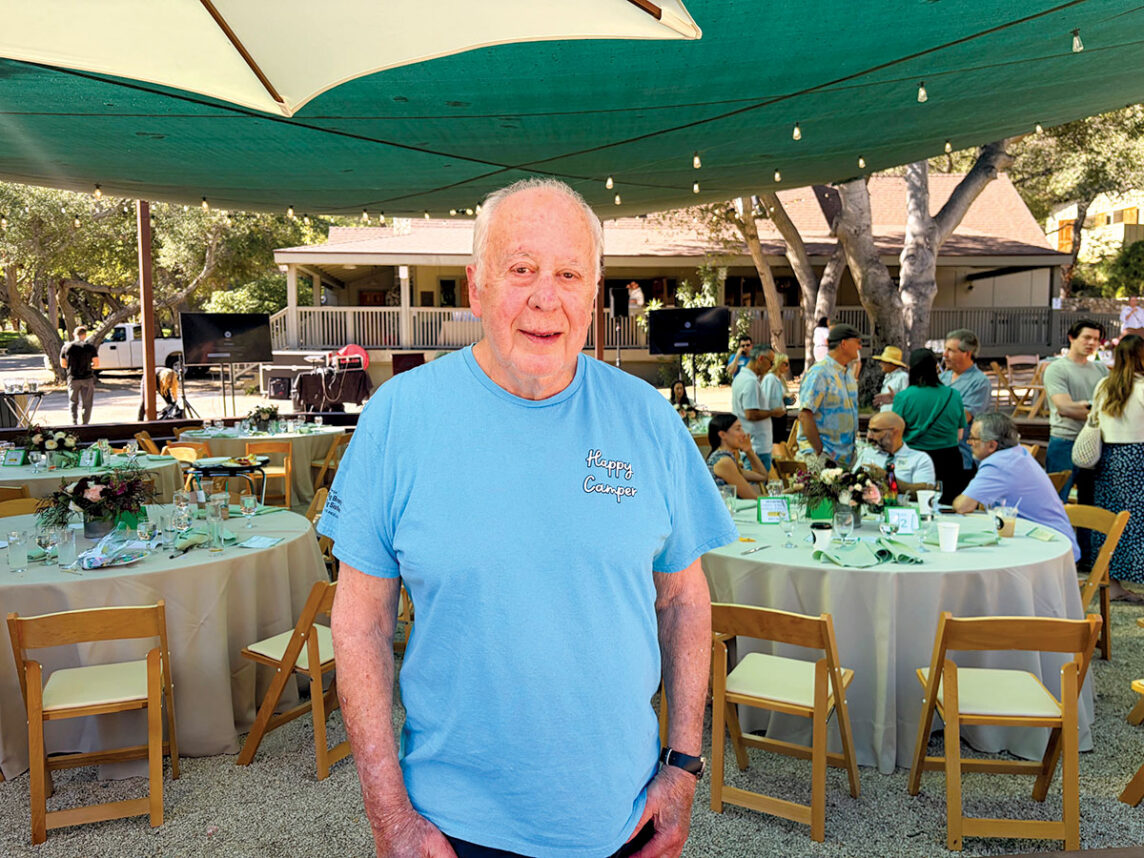
Amy Leserman is a 25-year veteran English and social studies teacher, union member, founder of Jewish Teachers Los Angeles (JewTLA). She serves on the California Board of Israeli American Civic Action Network, and has been vice president of the Association of Jewish Educators, and of the NEA Jewish Affairs Caucus.