When Jews on Erev Shabbat recite Bamei Madliqin, a mishnah that contains a list
of all the oils we Jews may use on Shabbat to bring light into our homes, providing tannaitically a din,
we obliquely recall the fertility which God provides the land of Israel but not to Edomites who would therefore the Israelites with violence resist.
Its diminution is reflected by Isaac’s use while blessing Esau who is Edom of a minimizing min,
and violence against the Jews, in a war whose violence never would be finished,
although by means of misleading treaties of shalom sometimes diminished.
In “Isaac Tries to Give an Agricultural Blessing to Esau the Hunter,” the torah.com, Ely Levine writes:
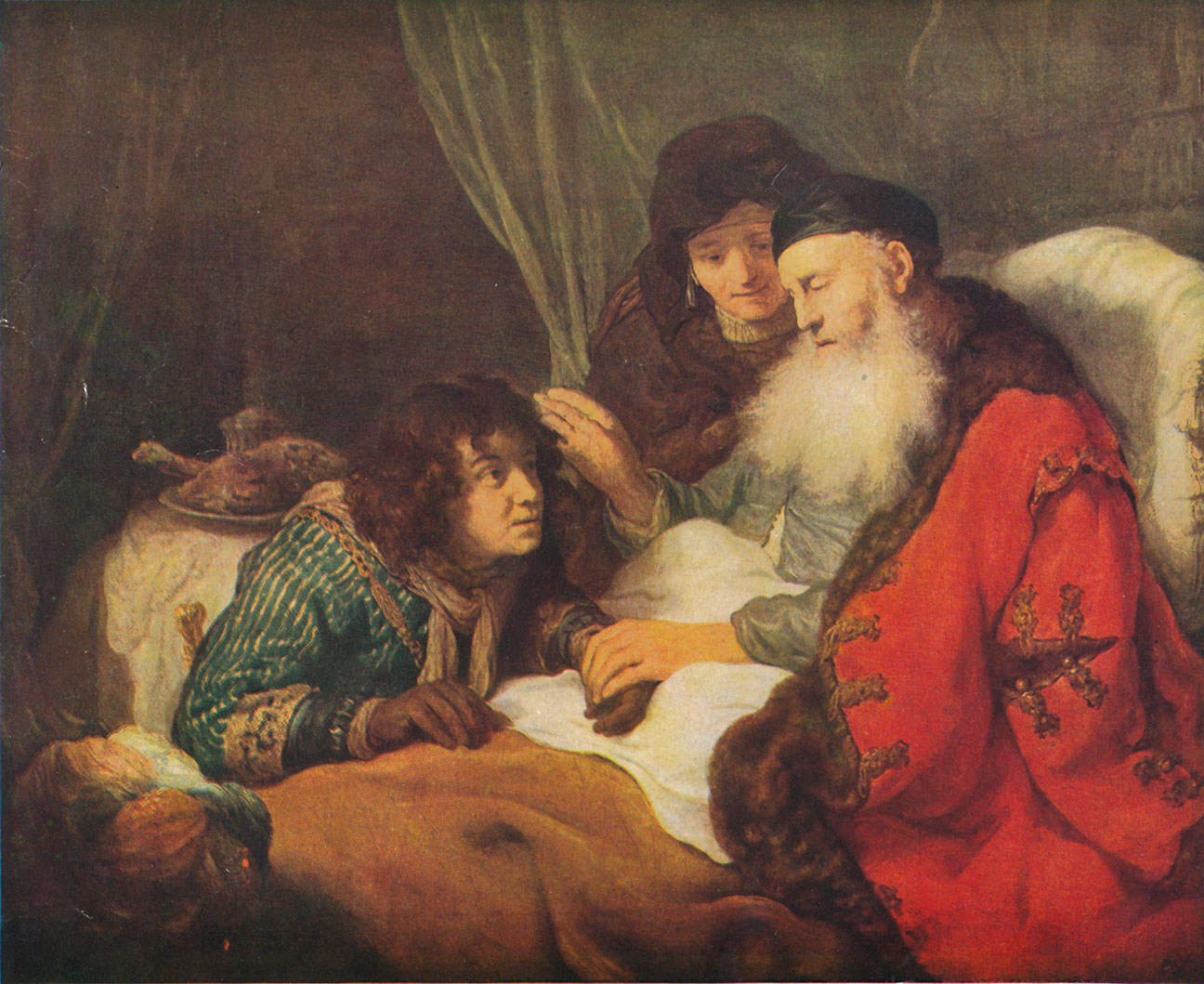
Isaac blesses Esau with this blessing in Gen. 27:28:
כז:כח וְיִתֶּן לְךָ הָאֱלֹהִים מִטַּל הַשָּׁמַיִם וּמִשְׁמַנֵּי הָאָרֶץ וְרֹב דָּגָן וְתִירֹשׁ. כז:כט יַעַבְדוּךָ עַמִּים(וישתחו) [וְיִשְׁתַּחֲווּ] לְךָ לְאֻמִּים הֱוֵה גְבִיר לְאַחֶיךָ וְיִשְׁתַּחֲוּוּ לְךָ בְּנֵי אִמֶּךָ אֹרְרֶיךָ אָרוּרוּמְבָרֲכֶיךָ בָּרוּךְ. 27:28 May God give you of the dew of heaven and the fat of the earth, abundance of new grain and wine. 27:29 Let people serve you, and nations bow to you; be master over your brothers, and let your mother’s sons bow to you. Cursed be those who curse you, blessed they who bless you.
The first part of the blessing is odd: Esau is viewed as a farmer; only an agricultural lifestyle can lead to the surpluses and relative leisure implied by the “abundance of new grain and wine.” And yet, Esau has been consistently described as a hunter.Why give Esau a farmer’s blessing?
This question is answered in the article by David Zvi Hoffmann:
Gen. 27:29 “From the fat, etc.”—according to Rashi, Ramban, and others, this is a blessing or a prophecy of blessing and abundance. Nevertheless, to us, in keeping with many contemporary commentators, it seems that the mem here in mi-shemanei and in mi-tal should be understood as lack, absence, meaning without fat and without dew.
Here are the main reasons for this reading: a)It is a fact that Edom is a wilderness climate and not fertile. Certainly, there are fertile wadis there as well, which is why some have understood the mem here in the sense of “some” or “part of something.”. b) According to verse 37, it is impossible for Isaac to give Esau the same blessing he gave Jacob. c) “You will live by the sword” demonstrates that this land does not have enough to support its inhabitants (=without war and plunder).
The hiddush that I make from Hoffmann’s interpretation is that it explains why we read במה מדליקין (Bamei Madliqin) during qabbalat shabbat. When the rabbis say Shabbat is like olam haba, they imply that it is blessed by oils from heaven, fertility oils with which we are allowed to light our homes on Shabbat.
Another intertextual allusion to Isaac’s priestly blessing of Jacob and Esau, is provided by Ps.133:1-3 when it alludes to the fatness and dew that Isaac implies will be withheld by God from Edom in accordance with the language of Gen. 27:38:
א שִׁיר הַמַּעֲלוֹת, לְדָוִד: הִנֵּה מַה-טּוֹב, וּמַה-נָּעִים– שֶׁבֶת אַחִים גַּם-יָחַד. 1 A Song of Ascents; of David. {N}
Behold, how good and how pleasant it is for brethren to dwell together in unity!
ב כַּשֶּׁמֶן הַטּוֹב, עַל-הָרֹאשׁ–יֹרֵד, עַל-הַזָּקָן זְקַן-אַהֲרֹן:שֶׁיֹּרֵד, עַל-פִּי מִדּוֹתָיו. 2 It is like the precious oil upon the head, {N}coming down upon the beard; even Aaron’s beard, {N}
that cometh down upon the collar of his garments;
ג כְּטַל-חֶרְמוֹן– שֶׁיֹּרֵד, עַל-הַרְרֵי צִיּוֹן: כִּי שָׁם צִוָּה יְהוָה, אֶת-הַבְּרָכָה–חַיִּים, עַד-הָעוֹלָם. 3 Like the dew of Hermon, that cometh down upon the mountains of Zion; {N}for there the LORD commanded the blessing, {N}even life for ever. {P}
Psalm 132 may be alluding to the fact that the Isaac’s blessing is priestly. This quality of the blessing is implied by a word in the verse that introduces the blessing in Gen. 27:1:
וַֽיְהִי֙ כִּֽי־זָקֵ֣ן יִצְחָ֔ק וַתִּכְהֶ֥יןָ עֵינָ֖יו מֵרְאֹ֑ת וַיִּקְרָ֞א אֶת־עֵשָׂ֣ו ׀ בְּנ֣וֹ הַגָּדֹ֗ל וַיֹּ֤אמֶר אֵלָיו֙ בְּנִ֔י וַיֹּ֥אמֶראֵלָ֖יו הִנֵּֽנִי׃
When Isaac was old va’tkhenna eynav, and his eyes were given priestly vision, and he called his older son Esau and said to him, “My son.” And he answered, “Here I am.”
The word va’tikhenna, וַתִּכְהֶ֥יןָ, provides a wordplay, not only informing us that Isaac’s eyes were dimmed, but also tells us that they resembled the eyes of a kohen, enabling him to see both his sons with a priestly vision. This wordplay implies that the rationale of Isaac’s blessing was to establish peace between both his sons, Jacob and Esau, שָׁלוֹם, shalom, peace, being the last word of the priestly blessing in Num. 6:26, when it states “יִשָּׂא יְהוָה פָּנָיו אֵלֶיךָ, וְיָשֵׂם לְךָ שָׁלוֹם, GOD bestow favor upon you and grant you shalom, peace!”
The rationale for the restriction in Bamei Madliqin of the oils which are allowed to be used to light the home on Shabbat echoes the oils that were restricted in the territory of Edom in contrast to that of Israel. This echoes the fact that the rationale of Isaac’s blessing of both his sons, Esau as well as Jacob, is shalom, peace, just as this is the rationale of the priestly blessing. Indeed, I enjoy concluding this endnote by suggesting that this explains the connection between Shabbat and peace when we greet one another on Shabbat with the two words: “Shabbat shalom.”
Gershon Hepner is a poet who has written over 25,000 poems on subjects ranging from music to literature, politics to Torah. He grew up in England and moved to Los Angeles in 1976. Using his varied interests and experiences, he has authored dozens of papers in medical and academic journals, and authored “Legal Friction: Law, Narrative, and Identity Politics in Biblical Israel.” He can be reached at gershonhepner@gmail.com.