Israeli filmmaker Moshe Rosenthal’s “Tell Me Everything” has emerged as one of Israel’s most acclaimed films of the year, winning 10 Ophir Awards, including Best Picture, Best Director and Best Screenplay. Following its success at the Israeli Academy Awards, the film was selected as Israel’s official submission for the 99th Academy Awards in the International Feature Film category.
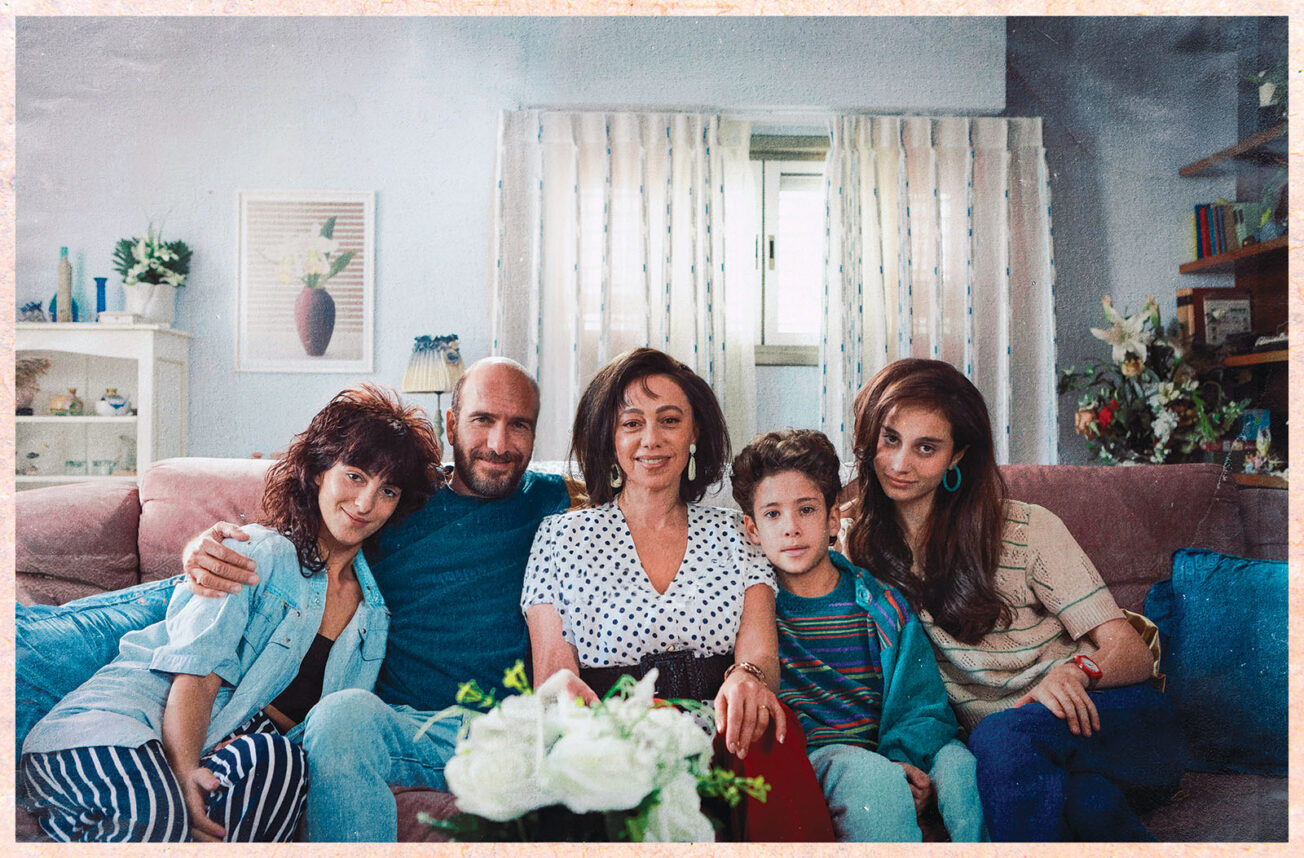
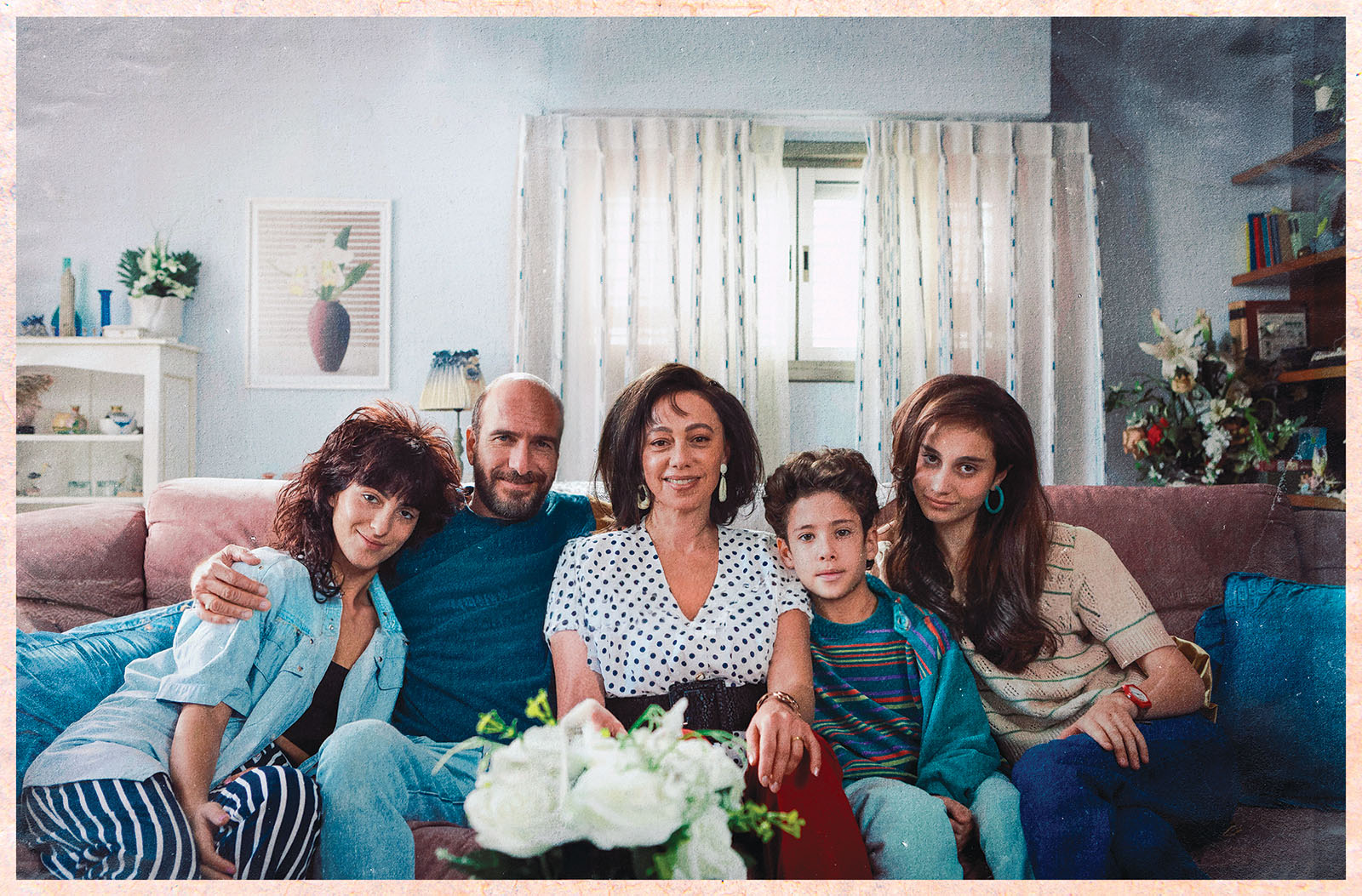
Set in Holon, Israel, in 1987, against the backdrop of the AIDS epidemic, the film follows 12-year-old Boaz (Yair Mazor), the youngest child in a family with two older sisters. As he prepares for his bar mitzvah, his family is facing a financial crisis: his father, Meir (Assi Cohen), is on the verge of bankruptcy and has been forced to work as a taxi driver to make ends meet. When Boaz unexpectedly catches his father in a compromising moment and discovers a devastating secret, the revelation tears the family apart.
Nine years later, an adult Boaz (Ido Tako) is still haunted by guilt over what happened and sets out on a journey to find his father and confront the past. His search takes him on a nighttime journey to Tel Aviv’s Independence Park, which during the 1990s was a well-known cruising ground for gay men, including encounters with male sex workers. The park’s association with homosexuality, secrecy and taboo gives the Hebrew title, “Atzmaut” (Independence), a deeper significance. While the title evokes the idea of personal freedom, Boaz remains unable to break free from the weight of his childhood, his guilt and his family’s expectations.
For Rosenthal, the title also reflects the film’s central theme: the struggle to achieve personal independence while remaining bound by the forces that shape our lives.
“The central theme of the film is how we attain our personal independence, and the ties that hold us back — our childhood, our guilt and our obligations to our families,” he said. “To some extent, the personal independence of each of the three main characters depends on the other two.”
As in his previous film, “Karaoke” (2022), Rosenthal drew on personal and autobiographical experiences in crafting the screenplay. In “Tell Me Everything,” he incorporated elements of his own life and family history, transforming deeply personal memories and emotions into a story about identity, family secrets, love and the complicated relationships between fathers and sons.
Watching the film with his family was an emotional experience. Although this wasn’t the first time they had seen one of his films containing autobiographical elements, Rosenthal said they still found it difficult to revisit certain memories. Several scenes reminded his parents of experiences they had shared as a family, particularly the financial hardships they had endured. Those scenes, he recalled, brought them to tears.
“My mother looked at me with concern and asked whether I had really felt that way and was still carrying those things with me,” he said. “I quickly reassured her that although some of the material came from painful experiences, we had gone through those difficult times and eventually moved on, making the best lives we could.”
The film will open the Israeli Film Festival in Los Angeles on Nov. 18, with a special screening at the Writers Guild Theater in Beverly Hills, attended by the director. It will subsequently screen at the Fine Arts Theater in Beverly Hills and The Laemmle Town Center 5 in Encino.
Rosenthal spoke with The Journal about the personal experiences behind the film, his creative process and the journey of a deeply intimate story.
“To some extent, I grew up in a family environment similar to the one portrayed in the film,” Rosenthal said. “My mother worked from home as a beautician and makeup artist, and I grew up with two older sisters. Growing up in that environment, my own journey toward adulthood was complicated. I found myself asking what kind of man I was supposed to become.”
Unlike the father in the film, Rosenthal himself came out of the closet. But rather than make the young protagonist’s sexuality the focus of the story, he wanted to explore a broader question: what did it mean to become a man, and how did we define masculinity?
“I felt that the best way to explore these questions was to remove sexuality from the protagonist’s story. What did it really mean to be a man? The boy grew up with the feeling that the model of masculinity he was supposed to follow was elusive,” he explained.
A particularly meaningful scene between Boaz and his father explores the emotional distance that can exist even in close family relationships, especially between fathers and sons.
Rosenthal said the scene reflected something he recognized in his own relationship with his father, with whom he had a very good relationship.
“There’s always a sense that we can’t fully communicate,” he said. “I think this scene speaks to the experience of fathers and sons, and to how important it is to find a way to communicate more openly and tell our parents who we really are.”
The film moves between two periods, Boaz’s childhood in the ‘80s and his adult life in the ‘90s. The choice of these two time periods was also significant in reflecting the changing social climate and the very different attitudes toward homosexuality during those years.
“I was very interested in exploring how our childhood, memories and trauma continue to exist within our present,” Rosenthal explained. “There was considerable hostility toward the gay community in 1987, while by 1996, the first signs of greater acceptance were beginning to emerge.”
The film’s impact has extended beyond the screen. Rosenthal said some of the most meaningful responses came from viewers who reached out to share deeply personal experiences that the film had brought to the surface. One woman, he recalled, told him that watching the film had prompted her to reconnect with her father, whom she had not spoken to in years. “Many people told me that the experience of watching the film brought back feelings they had suppressed, and they told me how the film had helped them.
“Sometimes,” he said, “I open my Instagram and find myself reading a deeply personal story from someone I’ve never met, telling me how the film had touched them. I’m very grateful for that. I hoped there would be more moments like that, but even if there aren’t, I’m so very happy that I made a film that is able to touch people this way.”