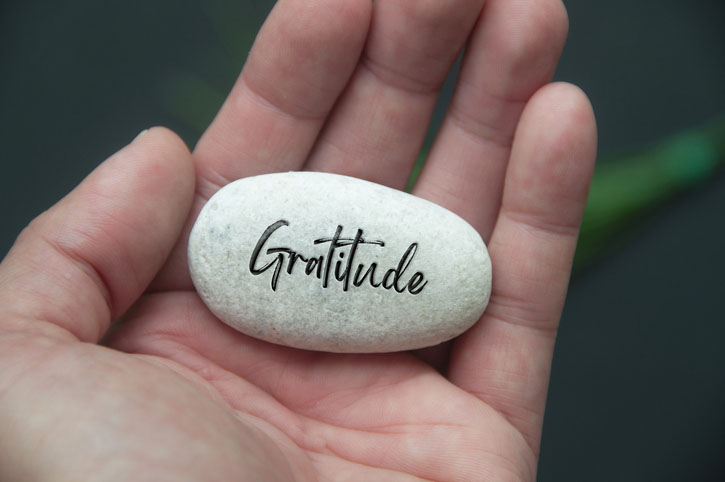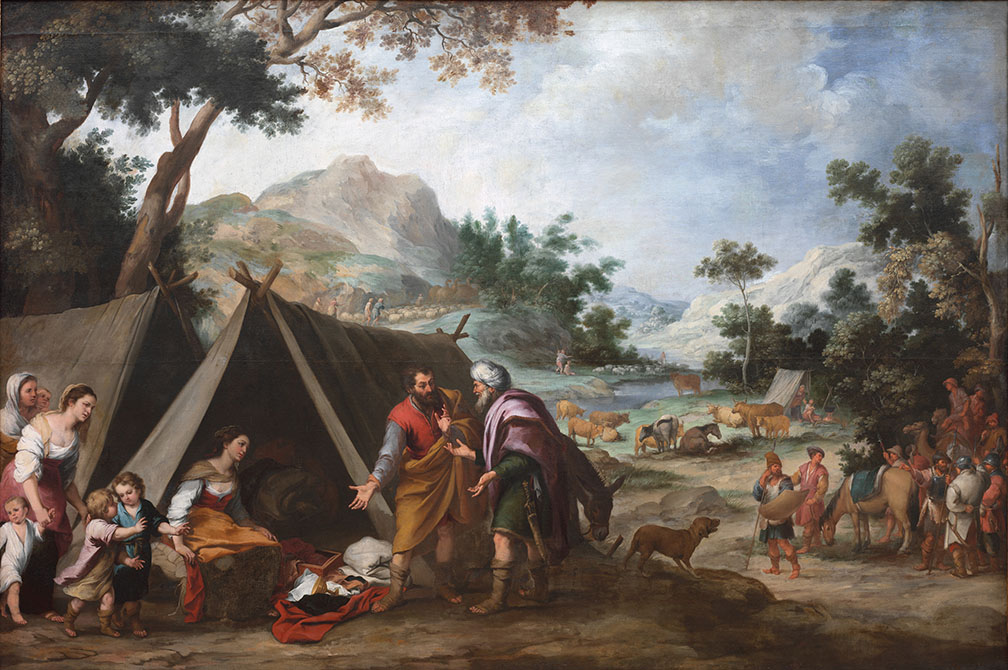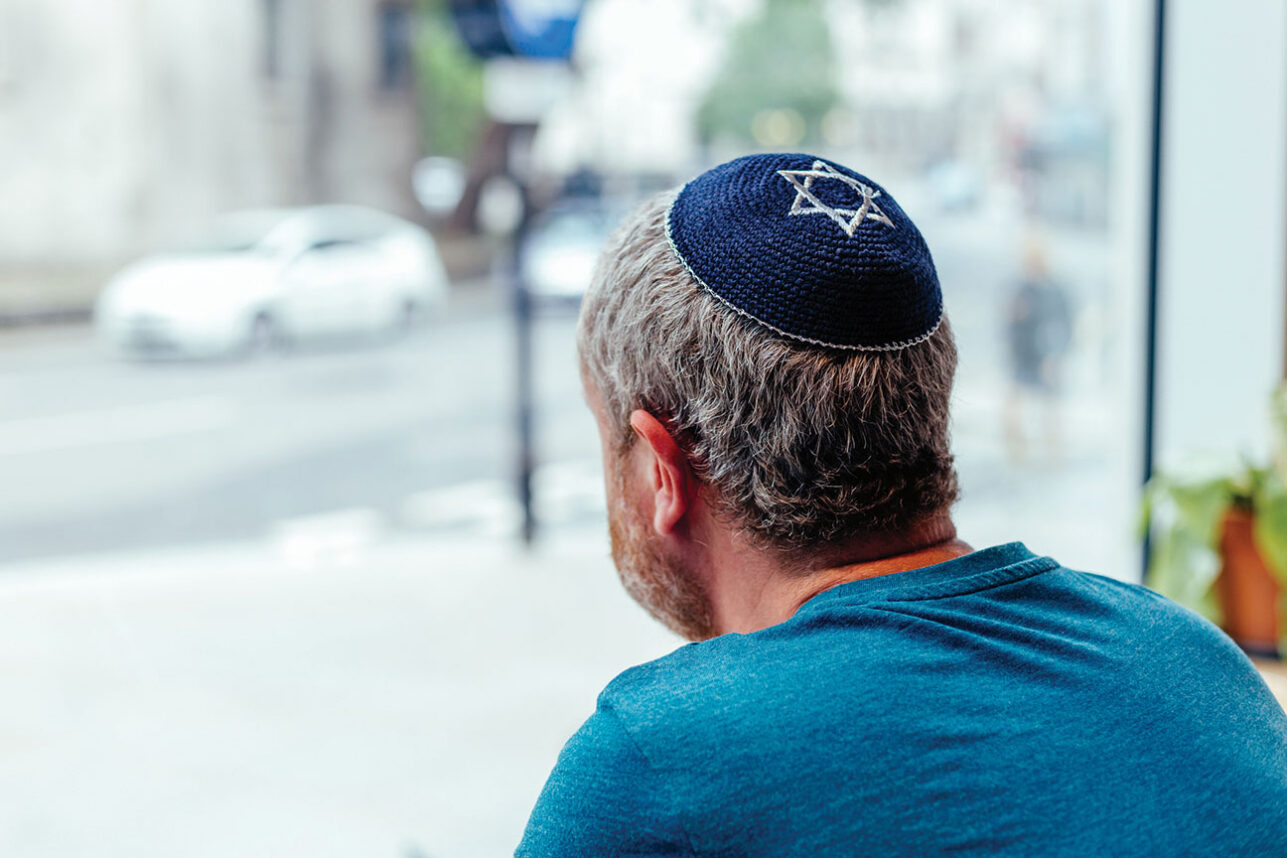

Gratitude is not one of the pleasant accessories of a religious life. In Judaism it is the foundation, the first words of the morning, and – as the name of the people itself attests – the thing we are actually called. The Hebrew word for Jews, Yehudim, derives from Yehudah, whose name means “I will give thanks.”
Modeh Ani
Judaism builds this discipline into the architecture of an ordinary day. The Sages taught that a person should say a hundred blessings each day. The number is not incidental; it is a discipline. By acknowledging blessing over and over, in different forms, we develop the habit of appreciating life as a gift rather than taking it for granted.
The day opens accordingly. Before action, before speech, before the eyes are fully open and the feet touch the floor, the first words we utter are modeh ani – I thank You. The day does not begin with planning, obligation, or worry. It begins with thanks for simply being alive, and everything that follows unfolds from that recognition.
The shul reinforces this lesson in gratitude in a striking way. When the hazzan (cantor) repeats the Amidah aloud, the individual’s prayers become communal – with one exception. When the hazzan recites Modim, the paragraph of thanksgiving, the congregation does not let the leader speak on its behalf; rather, each person recites their own prayer of thanksgiving. Praise can be offered by a representative. Petitions can be voiced together. Gratitude cannot be outsourced. No one can say thank you on our behalf.
The tradition also teaches how to give thanks: thoroughly and specifically. Birkat Hamazon does not simply thank God for food in the abstract. Rather, we give thanks for the land, for compassion, for sustenance and for deliverance. Similarly, the paragraph of Modim in the Amidah thanks God for wonders and kindnesses, “evening, morning and afternoon.” General gratitude uplifts us. Detailed gratitude transforms us.
And at the deepest level, gratitude is not merely a Jewish practice but the Jewish identity. To be a Jew is to be one who notices and says so. Gratitude is not an accessory to Jewish life. It is the definition of it.
The Question Underneath
Beneath it all lies a very basic question – are we entitled to everything or to nothing – and gratitude is simply the answer lived out.
Answer everything, and no gift can ever register as a gift; each arriving good is what was owed, and each absence is an outrage. Answer nothing, and the entire world becomes surplus – undeserved, unlikely and astonishing. The reality of the life being lived does not change due to those two answers. But the person living the reality changes completely depending on the attitude.
To live with an attitude of gratitude is to walk through life awake – noticing, appreciating, cherishing what is already here. It turns routine into sacredness and possession into responsibility. The more we count our blessings, the more blessed we become; and in learning to say thank you fully, specifically, and constantly, we discover not only what we have but who we are.
Mindful Living
One of the most unexpected benefits of living a Jewish life is also one of its least celebrated. Long before mindfulness became a modern movement, Judaism had already woven its principles into the fabric of everyday living. However, Judaism does not teach mindfulness as a separate discipline to be practiced for a few minutes each day. Instead, it creates a way of life that continually fosters an appreciation of the present moment.
Modern life pulls us in every direction. Our minds fill with yesterday’s regrets and tomorrow’s anxieties while today’s opportunities pass us by. The popularity of mindfulness reflects people’s growing awareness that they are absent from their own lives.
Judaism addresses this in an unusual way. Rather than offering techniques to calm the mind, it builds awareness into the rhythm of daily life. Every blessing, every mitzvah, every sacred pause gently interrupts our tendency to go through our lives on autopilot. Jewish living repeatedly asks us to stop, to notice and to appreciate what is happening right now. Before eating, we pause to acknowledge the source of our food. Before drinking wine, we recite a blessing. We bless extraordinary sights, fragrant spices, thunder and lightning, rainbows and other moments that might otherwise pass unnoticed. These pauses last only a few seconds, yet they transform an ordinary experience into one of gratitude and awareness.
The Sages understood something modern psychology has only recently begun to emphasize: we experience most deeply what we consciously notice. Attention shapes experience. Gratitude begins with awareness, and joy grows naturally from gratitude. Blessings, therefore, are not simply words we say. They are exercises in mindfulness.
A Sanctuary of Mindfulness
Nowhere is this more evident than on Shabbat. For 25 hours the relentless demands of work, commerce, and technology fall silent. In a culture where attention has become one of the world’s most valuable commodities, Shabbat returns it to us. Heschel called Shabbat a palace in time; it is also a sanctuary of mindfulness, reminding us that life’s greatest treasures are discovered not by doing more but by being more fully present when things are happening and being done.
Prayer, too, is meant to cultivate presence – not a mechanical recital but a conscious encounter. The same is true of all the mitzvot. One begins to realize that the mitzvot function as sacred interruptions: they slow us down just long enough to recover our awareness before life rushes us forward again. Their purpose is not inconvenience but attentiveness. They rescue us from living mechanically.
To live Jewishly is to discover that life is not somewhere else. It is here, in this moment. The greatest gift Judaism offers is not merely a richer life, but the ability to be fully present for the life we are living.
Selwyn Gerber is Founder and Chief Strategist of RVW Wealth LLC.