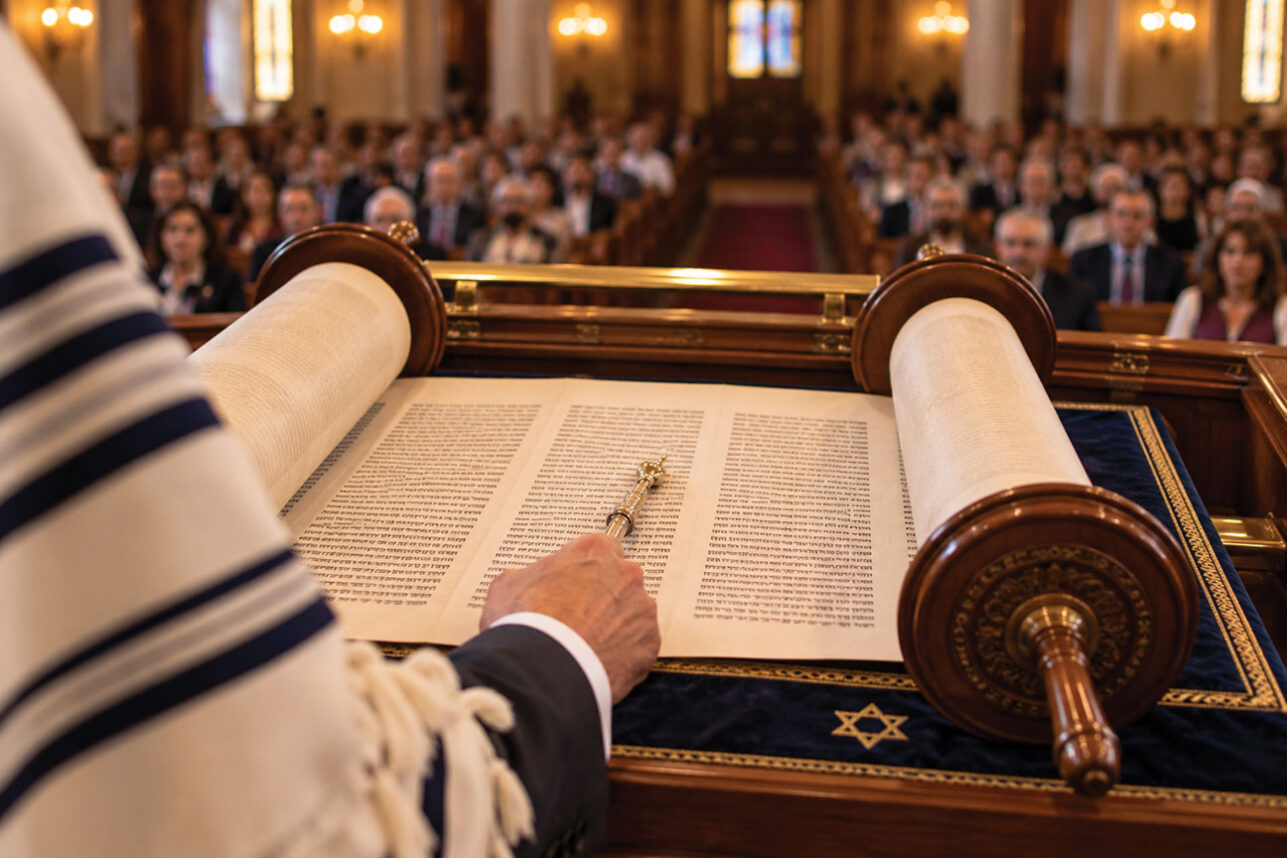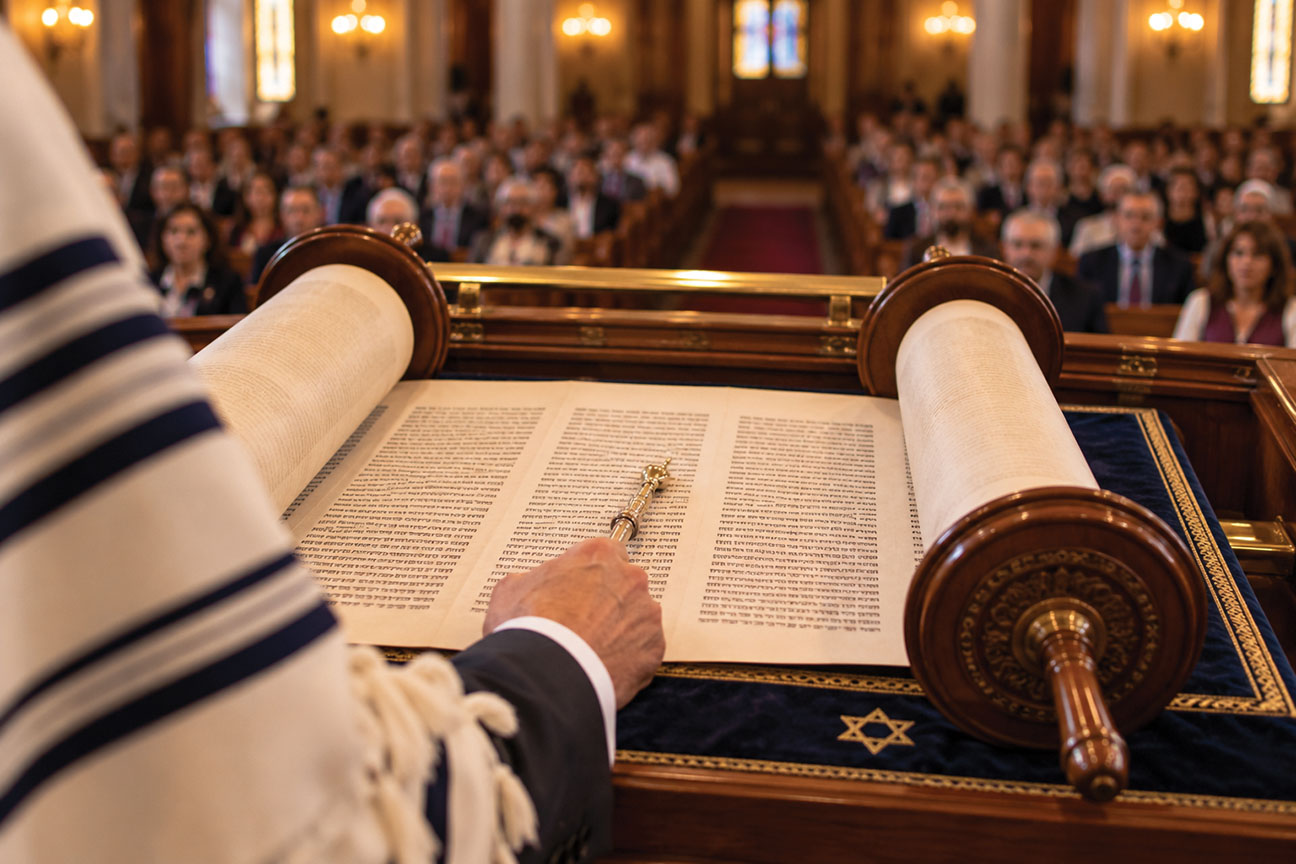
I recently stepped down from the pulpit. No longer the sole rabbi of my beloved congregation, I am now, rabbi emeritus. Looking back on nearly four decades of service to Jews, and non-Jews, I cannot think of a more gratifying career.
The pulpit provides an exposure to life that runs the gamut: from birth to burial. Pulpit clergy — a term that describes religious leaders serving recognized houses of worship — are given the privilege to guide people from diverse backgrounds.
We sit with skeptics and cynics, believers in God and atheists, the unaffiliated and disillusioned, simplistic and sophisticated thinkers, emotionally needy and financially insolvent individuals — you name it.
Other professions focus primarily on one task. A lawyer specializes in a select segment of the law; a physician treats targeted illnesses, body parts or age groups; an educator teaches a particular subject, or grade level. Not so for pulpit clergy. We are the consummate generalists.
Hardly spectators observing life from the sideline, pulpit clergy actively engage and guide others through challenges and triumphs. We teach, touch and challenge. In the process, we ourselves grow into the demands of the pulpit.
We’re trained to heighten the beginnings of life with ceremonies sanctifying the birth of a newborn human being. Whether the child joins the family through adoption or shared genetics, pulpit clergy maintain that nascent life is more than a biological phenomenon.
We also support, and give guidance to those who wish to have children, but are unable, or simply prefer not to. We’re there for those who miscarry, or abort, regardless the reason.
We offer counsel to individuals, couples and families; probing beyond what’s functional or dysfunctional. We address what’s moral or immoral. To paraphrase the American humorist, Finley Peter Dunne, our task is to “comfort the afflicted, and to afflict the comfortable.”
Pulpit clergy challenge their congregants to prioritize what’s important. Weddings underscore the point. From start to finish, they are among the most joyous life-cycle events. The party, however, with all its details, commonly overshadows the core purpose of the gathering: to demarcate the start of a marriage and bless the couple in God’s name. Not the party.
At the other end of the life-cycle spectrum, is death and dying. Guiding someone through the loss of a loved one is exceedingly challenging, and vitally necessary. Long before Elizabeth Kübler-Ross’ five stages of mourning, pulpit clergy have escorted mourners through burial customs. They help the aggrieved assuage some of the sorrow, hurt or anger they might be feeling. Pulpit clergy offer direction and consolation.
The stark finality of death often compels one to reflect on timeless questions. Not uncommonly mourners will ask: Is this all there is to existence? Are good people rewarded, and evil ones punished?
If we knew for certain what ultimately happens to us after we die, life would be farcical. Something better awaits, especially when times get tough, hit the metaphoric “reset button.” The equivalent of ending one’s own life, and starting over again. Nothing beyond one’s existence? That too is problematic. How cruel: A wicked person’s destiny is no different than a good person’s? Even Franz Kafka would find that absurd.
These are just some of life’s mysteries touched on by pulpit clergy when sitting with heartbroken souls. Never more pressing than at a time of death and dying.
For all that pulpit life has to offer, the numbers of pulpit clergy in America continue to decline. Many reasons explain this falling-off. Pulpit clergy are aging out. Increasingly fewer students attend seminaries. Among those who do, fewer still commit to congregations.
Divinity graduate programs are expensive, and student loans accrue rapidly. The hours expected of pulpit clergy are nonstop, round-the-clock. More houses of worship are downsizing, merging or shuttering. Religious identity is waning; secularism’s growing. Religion is frequently viewed as parochial and stale.
Adding to the reasons underlying this downward spiral, are the clergy themselves. Invariably, they alienate some congregants by what they’ve said or failed to say; what they’ve done, or failed to do. Ironically, if pulpit clergy were loved by all, chances are, they’re not doing their job. In spite of their best efforts, pulpit clergy know well, organized religion doesn’t appeal to everybody, and those who reject affiliation are not bad people for doing so.
As much as organized religion embodies that which is eternal and transcendent, it’s in a constant state of flux. Evolution isn’t consigned solely to biologists. Religion evolves. So too does its understanding of God and life. New opportunities and challenges have always come and gone. But pulpit clergy with their years of training, education and perspective on life, generated from atop the pulpit, are especially well suited for whatever lies ahead. Of that, I remain confidently optimistic. ■
Michael Gotlieb is rabbi emeritus of Kehillat Ma’arav in Santa Monica.