fbpx

A Bisl Torah – Beshalach: From One War to Another

Ran Gvili’s homecoming is a saga closed and a promise fulfilled.
[additional-authors]
January 29, 2026
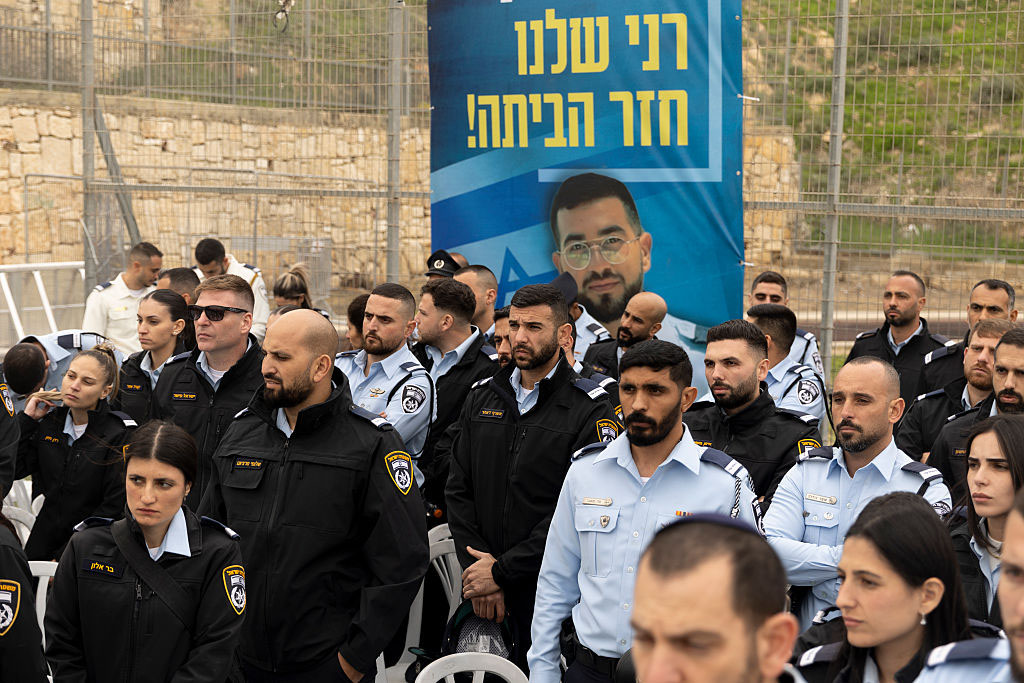
Police officers attend the funeral of Police officer Ran Guili, after his body was recovered by Israeli soldiers from the Gaza Strip on January 28, 2026 in Meitar, Israel. (Photo by Amir Levy/Getty Images)

Rabbi Guzik is on sabbatical. Please enjoy A Bisl Torah from our Rabbinic Intern, Moe Howard.

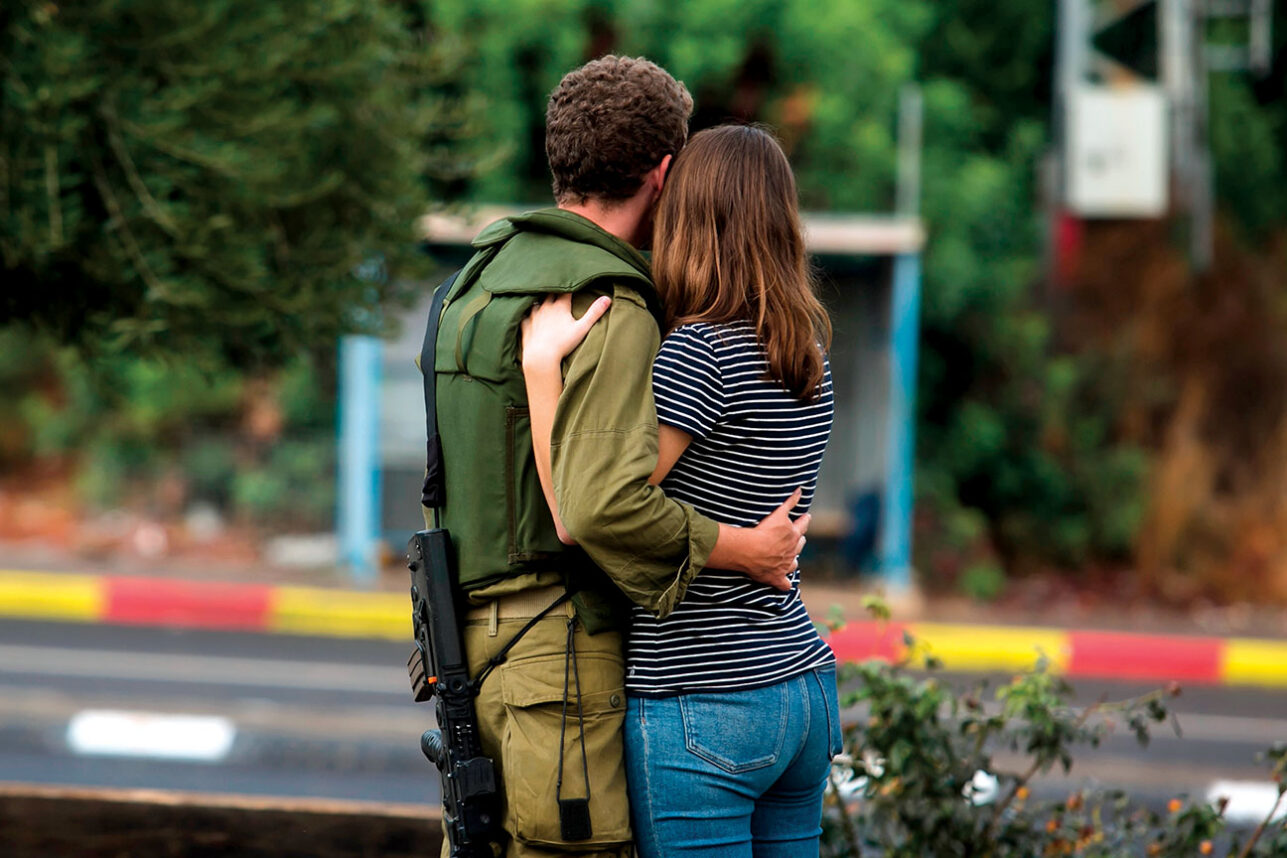
This past Monday marked the end of what has felt like an era, as the body of slain hostage Ran Gvili was finally brought back to Israel for proper burial after more than two years of waiting, praying, and protesting.

Though this moment ought to have come much sooner, its arrival seems as if predestined. For it is in this week’s Torah portion that we read of a momentous era’s end marked by as momentous a return:

“And Moses took with him the bones of Joseph, who had exacted an oath from the children of Israel, saying, ‘God will be sure to take notice of you: then you shall carry up my bones from here with you.’” (Exodus 13:19)

Joseph was first to be brought into Egypt, sold by his brothers into slavery against his will. Now he is last to be brought out, redeemed by his descendants’ generations hence. His homecoming, while not yet complete, is the closure of a saga and the fulfillment of a dual promise: that God does not abandon His people, and that they do not abandon each other.

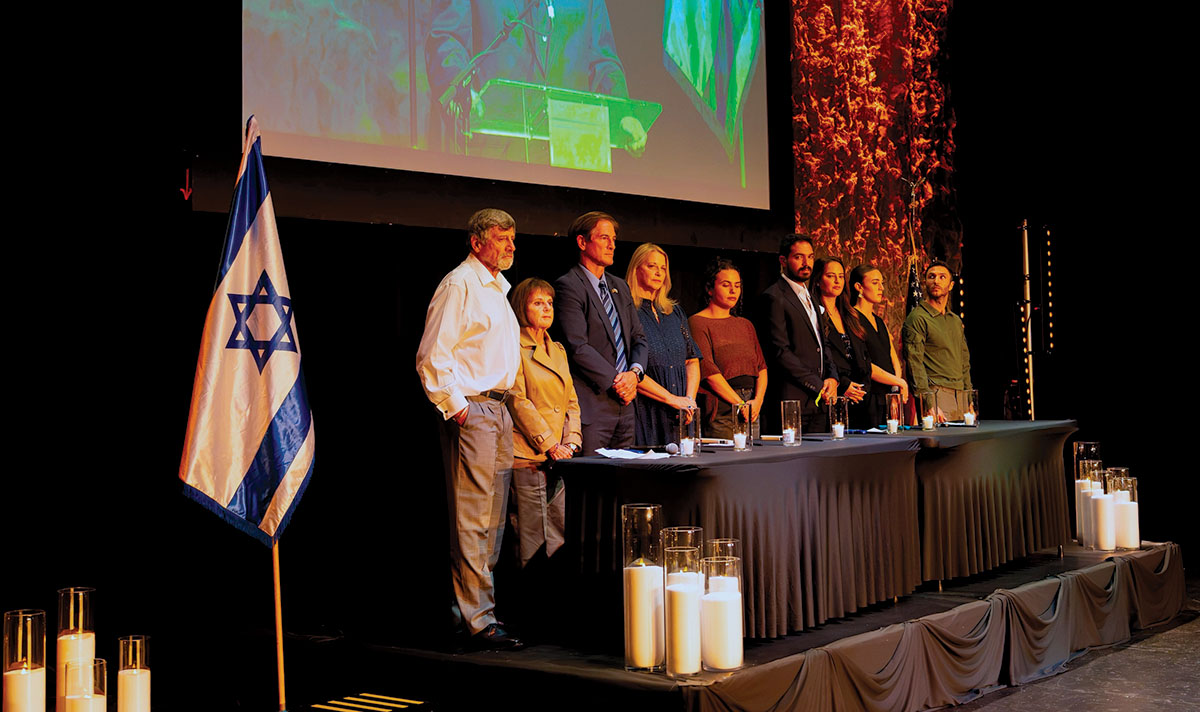
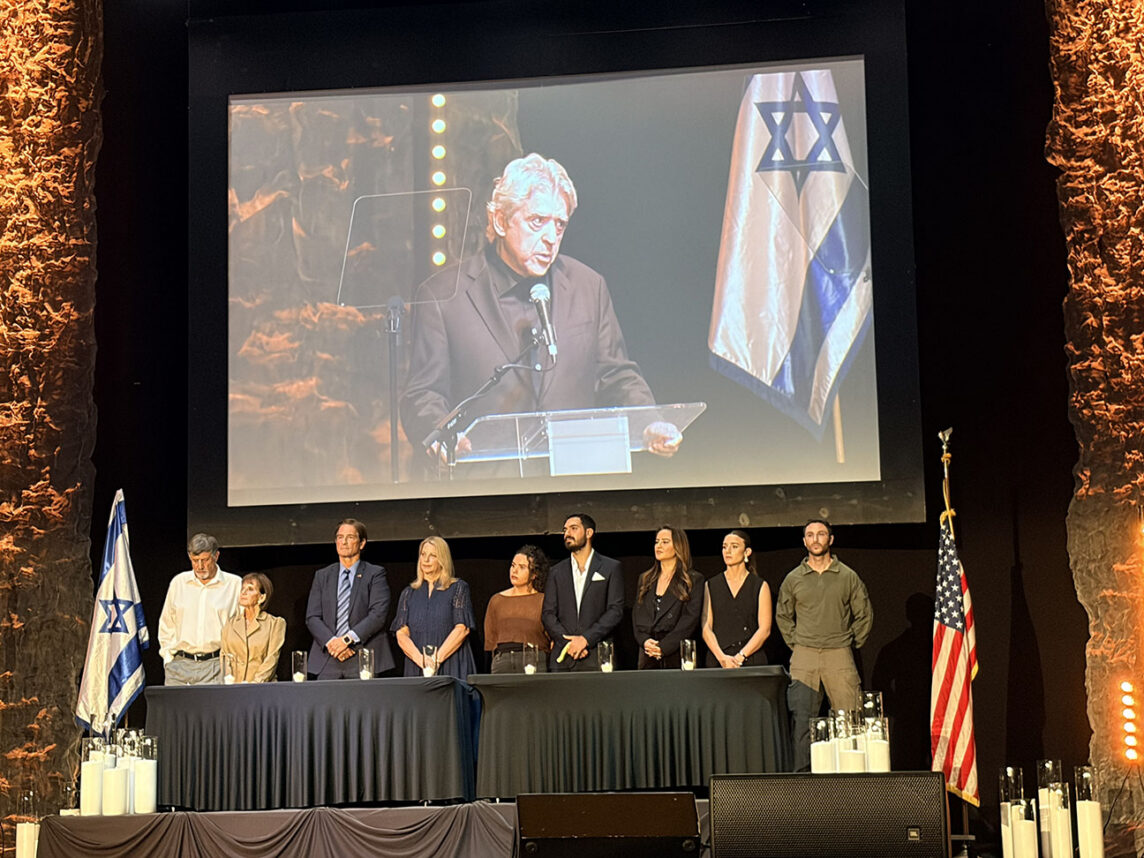
So too, Ran’s homecoming is a saga closed and a promise fulfilled. And so too, there remains a journey ahead. With Egypt behind them and Sinai before them, the Israelites face the even greater challenge of redefinition. As former captive Rom Braslavski spoke from the stage of what was once Hostages Square in Tel Aviv: “We now go from one war to another war, which will be much more difficult—the war of rehabilitation.”

Together, we will win.

Shabbat Shalom.

Did you enjoy this article?
You'll love our roundtable.

Editor's Picks

Latest Articles

The Shofar Blower

Through poetic reflections, Torah wisdom and personal stories, Salem explores the shofar as a tool for mindfulness, healing, surrender and inner transformation.

Still Committed to Plan A

What I learned most from the people who told us their stories is that the Australian Jewish community is in a state of shock but is resilient, going about its day-to-day life in the way Jews have practiced for generations in the face of hatred.

The Definitive Look at Israel’s Wartime Decision-Makers

As Israel stands on the cusp of an election and the U.S. enacts economic sanctions against Iran after military strikes failed to achieve a definitive victory, a newly released book serves as a must-read to understand the current moment.

The Case for Optimism

If we change our focus, we can see the world differently, and do what Jews do well – make the world better.

Elevate Your Tzedakah on the High Holy Days

While we may never fully know the spiritual outcome of our High Holiday prayers or the impact of our repentance, the tangible power of tzedakah is undeniable. Every dollar contributed leaves an imprint.

How Do People Change?

When does the Jewish calendar ask us to study human transformation? Rosh Hashanah — what we might call “the beginning of transformation.”

The Universalism that Makes Room for Difference

Judaism insists that there is something precious about belonging to a particular people, observing a particular tradition, and living within a particular covenant. But precisely because it does not require every human being to join that covenant, it can make room for difference.

Inward, Upward, Outward

Every new year confronts us with a seminal question: What in our lives is worth repeating, and what needs to change?

More news and opinions than at a Shabbat dinner, right in your inbox.