A request filed by the Palestinian Authority last year to join the United Nations World Tourism Organization (UNWTO) is slated to come to a vote this week at the body’s summit in Chengdu, China.
In order for the Palestinians to gain acceptance, two-thirds of the UNWTO’s member states need to approve.
[This article originally appeared on themedialine.org]
Speaking to The Media Line, Vice President of the PA Mahmoud Al-Aloul (“Abu Jihad”) confirmed that the Palestinian leadership is being heavily pressured to not proceed with its bid.
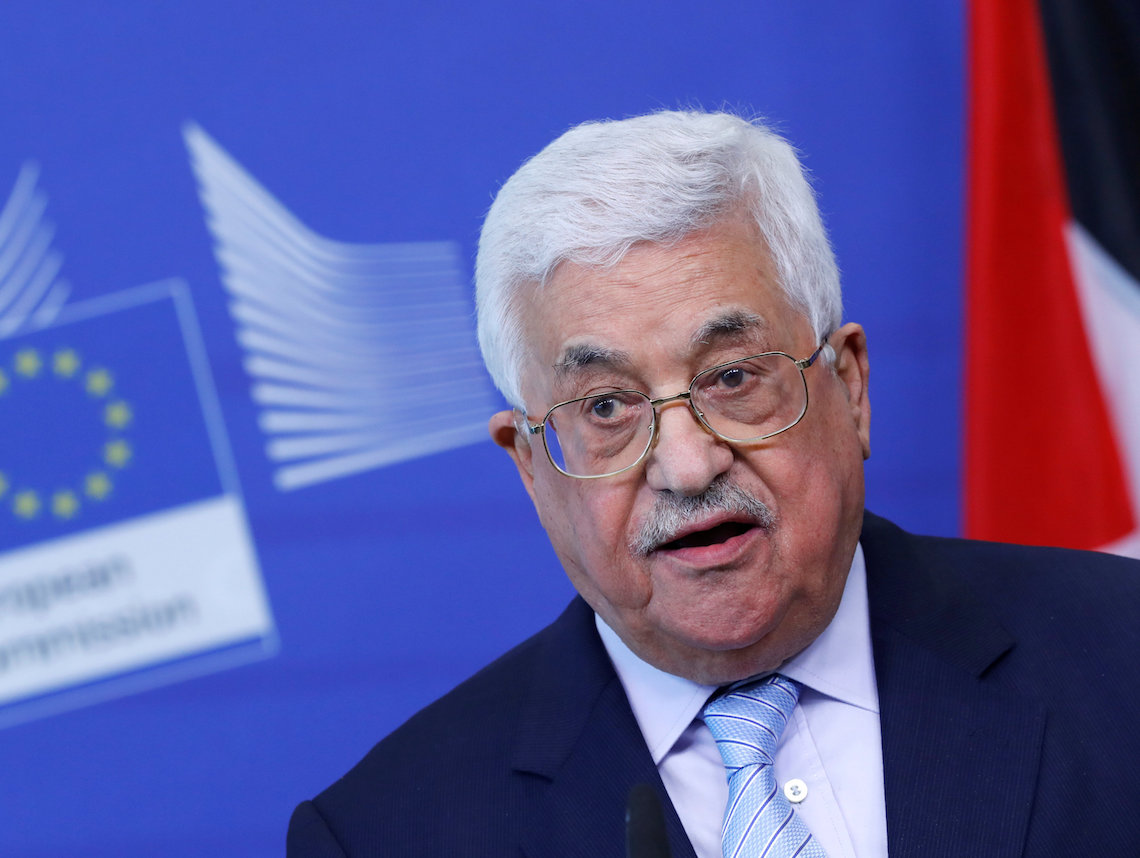
“All I can tell you in this regard is that President Mahmoud Abbas will give a speech in China.”
He further revealed that PA is in the process of filing a request to the International Criminal Court to oppose the expansion of Israeli settlements,” among other issues.
In response, Israel has embarked on a diplomatic campaign to block the PA’s request to join the UNWTO. “Palestine is not a state and cannot be accepted as such in the United Nations or any of its affiliated organizations,” according to a statement released by the Israeli Foreign Ministry.
For his part, Hassan Ka’bia, a Deputy Spokesman at the Ministry told The Media Line “that all attempts by the PA to gain memberships at the UN will ruin the serious Israeli efforts to renew peace talks and will have no effect on the ground.
“At the end of the day,” he concluded, “our allies at the UN, including the U.S., are very strong and supportive of Israel so the Palestinians will not get anything there.”
In this respect, the latest move by the Palestinians to “internationalize” the conflict comes as U.S. President Donald Trump is engaged in a push to jump-start Israeli-Palestinian peace negotiations, having sent his top envoys to the region on multiple occasions since his inauguration. Accordingly, the proposed moves by the PA risk derailing the effort.
“We will go to the United Nations anyways as well as the International Criminal Court,” Nabil Sha’ath, a senior Palestinian official, retorted to The Media Line. He said that this was necessary because while the Palestinians had already accepted the principles of the Oslo Accords they are looking for “peace on the ground and not just on paper.”
Sha’ath stated that under ideal circumstances there would be no need for the Palestinians to look to the UN, but that Israel had not held up its end of the bargain.
Ironically, the latest row over the UN comes against the backdrop of the Arab League’s decision to green light a proposal by the PA to form a high-level committee whose purpose is to block Israel’s attempts to be elected as a non-permanent member of the United Nations Security Council.
According to the Ma’an news agency, the case against allowing Israel a turn on the Security Council roster will include the familiar charge regarding Israeli building on lands it conquered in the 1967 war that are claimed by the Palestinians for a future state; as well as accusations directed against Israeli Prime Minister Binyamin Netanyahu of having “introduced more than 20 racist legislations reflecting a systematic policy seeking to deface the historic rights of the Palestinian people.”
There formerly existed a longstanding convention that peace between Israel and the Palestinians could only come about through direct negotiations; however, this changed on September 23, 2011, when Abbas submitted a formal application to join the UN, which was overwhelmingly accepted one month later in a General Assembly vote.
Soon after gaining overall non-member observer state status in the institution, the United Nations Educational Scientific and Cultural Organization (UNESCO) became the first affiliated agency to grant full membership to the Palestinians.
But the Palestinians’ momentum was soon stunted, as U.S. President Barack Obama decided to cut off funding to UNESCO, in line with Washington’s belief that the conflict with Israel can only be solved through the direct diplomacy of the peace process. As the Americans provide a huge portion of the UN’s overall budget, other bodies got the message and the Palestinians, despite repeated warnings to further pursue the UN route, have since not been accepted into any other related associations.
That is, until the anticipated UNWTO vote this week.
Perhaps the Palestinian leadership is being driven by an absence in faith in Trump, or maybe the bid to join the UNWTO is simply a method of applying pressure on his administration, which is reportedly in the process of formulating a formal policy on the conflict.
Some analysts believe it could also be meant to send Israel a message; namely, that the status quo will simply no longer suffice.