Last week, Hamas released a video of 26-year-old Israeli hostage Noa Argamani saying that two of her fellow hostages, Itay Svirsky and Yossi Sharabi, had been killed, along with a photo of two bodies that Hamas claimed were those of the two men. One day earlier, the terrorist organization had released a different video, showing all three hostages stating their names and places of residence and urging Israeli Prime Minister Benjamin Netanyahu to stop the war in Gaza. Following that first video, Hamas encouraged the public to guess the fates of the three hostages and whether they were alive, injured, or dead.
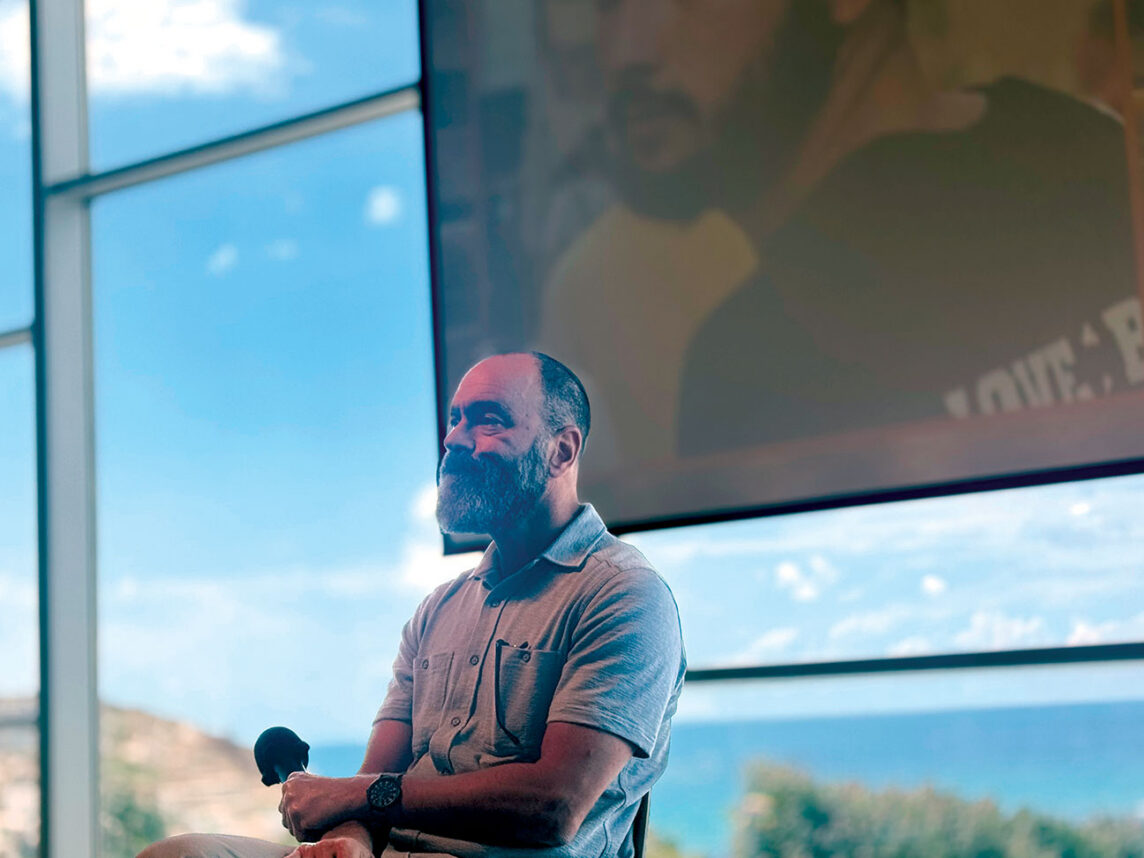
“Hamas persistently employs psychological tactics against the Israeli public in an effort to enhance its position and survive the conflict in Gaza,” Dr. Omer Dostri, a researcher at the Jerusalem Institute for Strategy and Security and an expert on national security and military strategy, told The Media Line.
He said the Hamas tactics include orchestrating a malicious media campaign focused on manipulating the emotions of the Israeli public, particularly over people held captive by Hamas.
“The objective of this psychological warfare related to the abductees is to prompt as many citizens as possible, especially the families of the captives, to exert pressure on the Israeli government,” he said.
“Hamas believes that by leveraging public sentiment, it can avoid the governmental and military dismantling of its organization.”
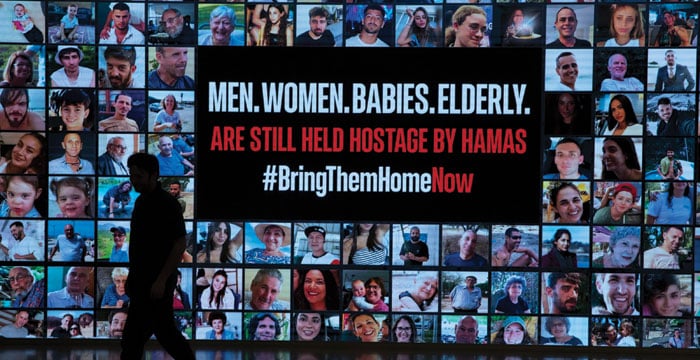
The Israeli authorities believe that there are still 132 hostages in Gaza, of whom at least 25 are no longer alive. Hamas terrorists abducted over 240 people into Gaza during their murderous rampage in Israel on Oct. 7. Since then, 110 hostages, mostly women and children, have been released, most of them during a week-long cease-fire and hostage release deal at the end of November. Among those still in captivity are about 15 women, as well as elderly people and young children.
Dr. Ron Schleifer, a psychological warfare analyst at Ariel University, told The Media Line that the Hamas propaganda campaign aims to disrupt Israeli morale and show that fighting Hamas does not pay.
Schleifer said that the terrorist organization aims to make the Israeli public feel that “Hamas will always be more clever and an ominous enemy, also that the war effort is useless, and Hamas is much more cruel and ruthless than Israel, and that Israel eventually is going to lose. This is the goal of the persuasion campaign.”
Schleifer said that Hamas has three target audiences for its messages, with the first being the Palestinian people.
“You have to persuade your home audience, to make them feel like the ongoing suffering is a worthwhile cause,” he said.
The second is the enemy, Israel, to show that it is useless to fight Hamas because it will win.
The last target audience, Schleifer said, is the international arena, all those parties who are not directly connected to the conflict but have an impact on it.
“Sometimes, if you send a message to one target audience, it can conflict with your interest for another target audience,” he said.
For example, by releasing women and children during the ceasefire, “Hamas believes it has successfully portrayed itself as acting in a humanitarian manner on the international stage,” Dostri said. However, this “humanitarianism” is contradicted by the many hostages Hamas is still holding, including women, children, elderly people, and injured male and female soldiers.
However, he said that when there is such a conflict, Hamas finds ways to deal with it and mitigate the damage.
Hamas’ dissemination of fake news, disinformation, and misinformation in the media regarding alleged civilian casualties in Gaza has effectively generated international pressure on Israel.
Speaking of Hamas’ claims of thousands of civilian casualties in Gaza, Dostri said “Hamas’ dissemination of fake news, disinformation, and misinformation in the media regarding alleged civilian casualties in Gaza has effectively generated international pressure on Israel.” Dostri said. This even extended to the point that South Africa initiated a trial against Israel at the International Court of Justice in The Hague.
“Rather than urging Hamas to release the abductees, many countries worldwide, including Western liberal democracies, tend to criticize Israel. In terms of global perception, it seems, albeit paradoxically, that Hamas holds an advantageous position in the battle for public opinion against Israel,” Dostri said.
Schleifer said that regardless of whether the propaganda techniques are counterproductive for Hamas’ international image, they have an impact on Israeli society and in that way, achieve Hamas’ goals.
“This interview is a sign that it is working, people are interested, people are frustrated,” he said.
He said that Hamas measures the traffic of videos on social media, and how many times their acts are mentioned in Israeli and international media.
“Nowadays it’s all very methodological and very computerized to see the effectiveness of the acts,” he said. “This is a ruthless game, but it is still effective. If you cannot kill your enemy, at least impact its psychology. Once they cannot use the firepower, they use the power of psychology.”
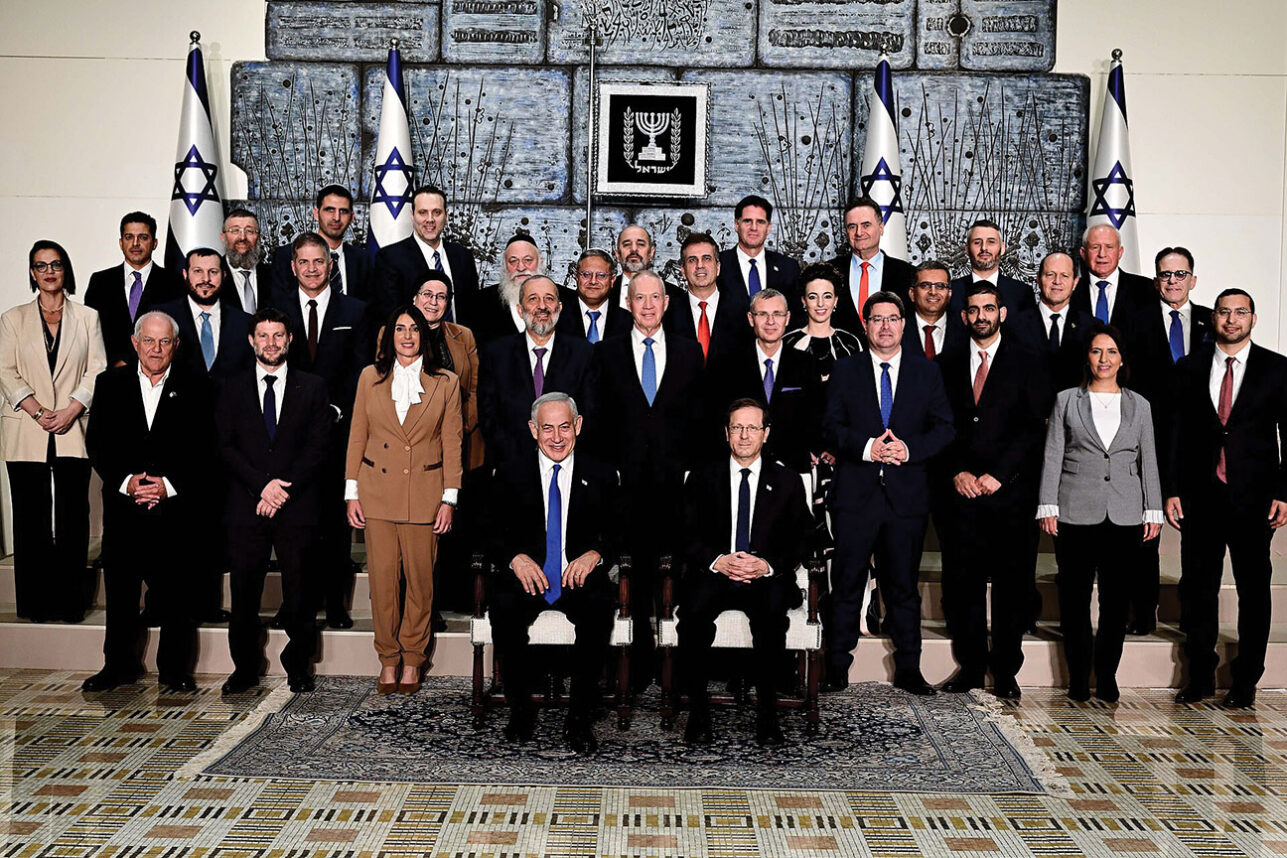
Dostri pointed out that two key members of Israel’s war cabinet, Benny Gantz and Gadi Eisenkot, support another temporary pause in the conflict to facilitate the return of the hostages, while Netanyahu and Defense Minister Yoav Gallant oppose a cease-fire, believing that sustained military pressure on Hamas could prompt it to seek a new deal or lead to the release of hostages through special forces operations.
To read more articles from The Media Line, click here.