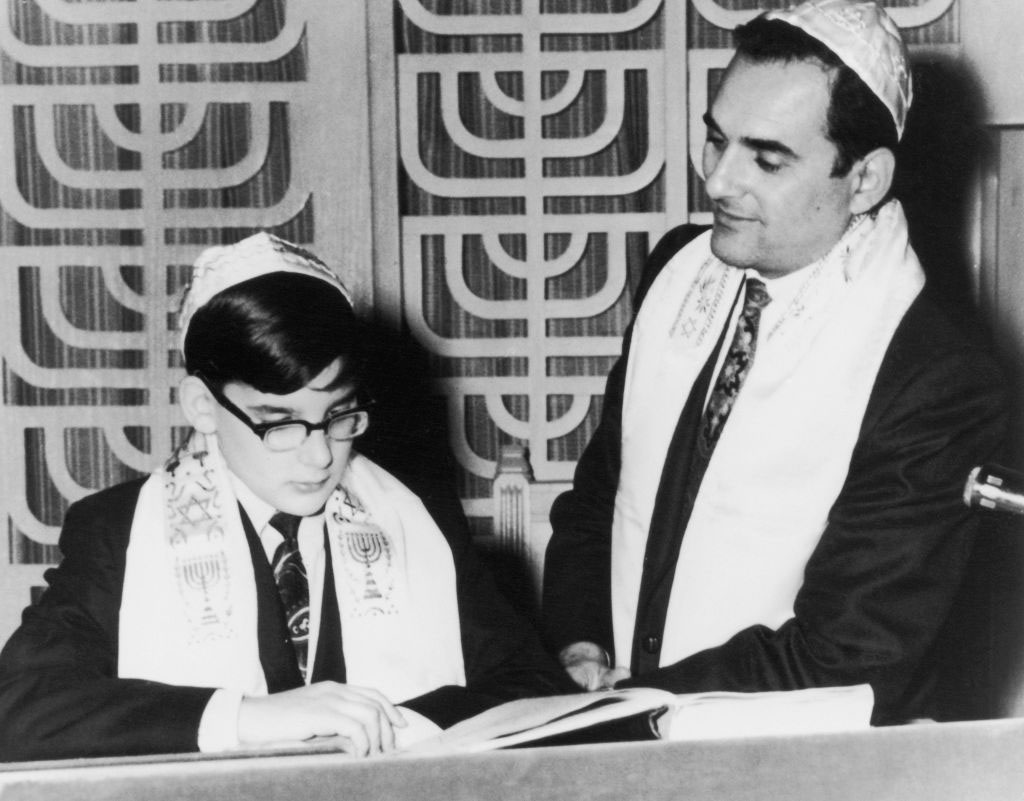
It’s funny how the suit-and-tie motif is so ubiquitous for Father’s Day, yet I don’t know many dads who actually wear suits and ties unless they’re going to a wedding, bar mitzvah or funeral. Still, it’s a natty theme, perfect for a card to give all the fathers, brothers, sons, uncles and zaydes in your life.
 1. Starting with an 8 1/2-by-11-inch piece of colored cardstock or construction paper, trim it with scissors or a paper cutter to 7 by 10 1/4 inches.
 2. Make two folds on the paper — one at 2 1/2 inches from the right edge, and one at 2 3/4 inches from the left edge. This will leave a 5-inch-wide section in the middle.
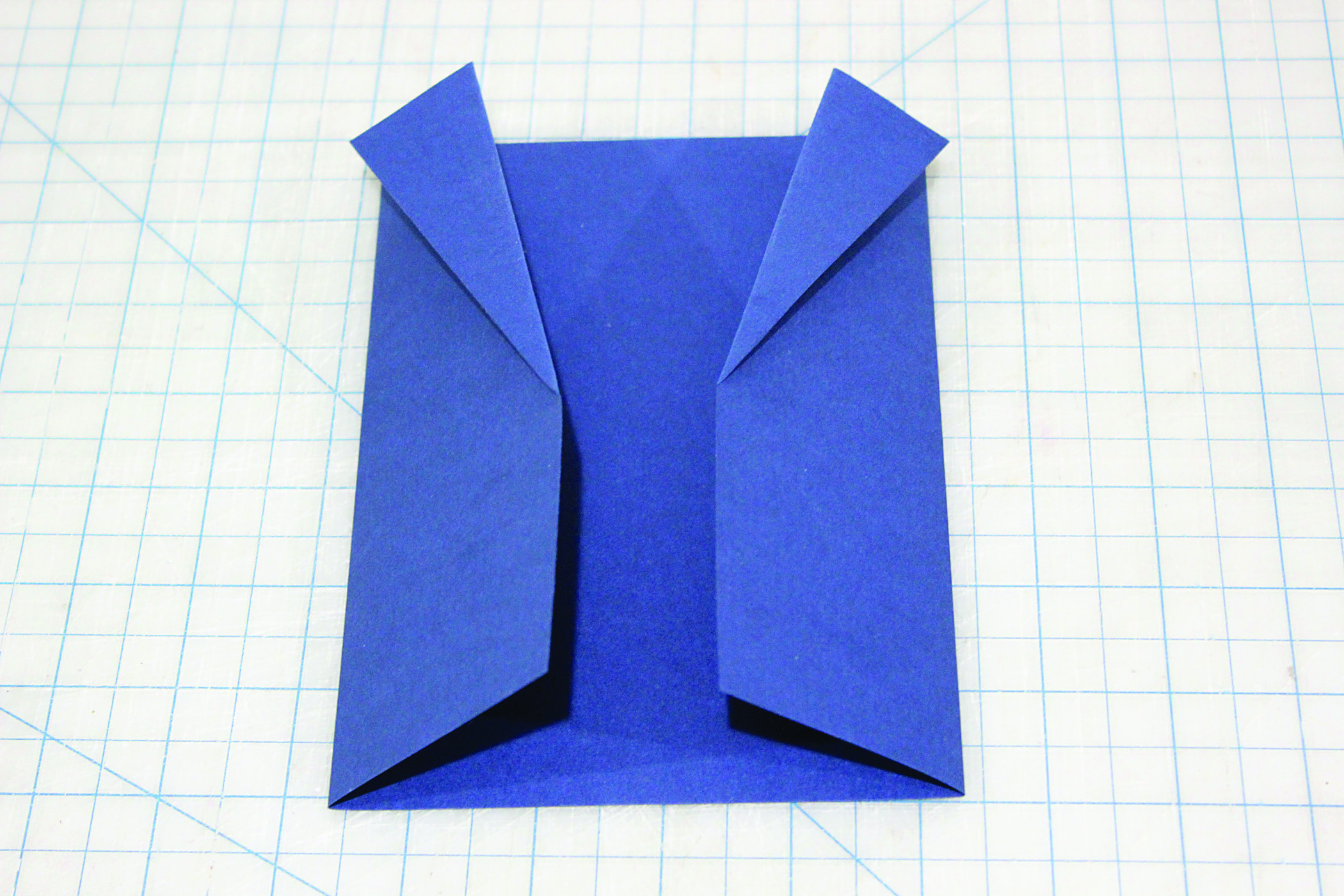 3. On each of the smaller panels, fold back the paper into a narrow, triangular shape to form the lapels of the suit.
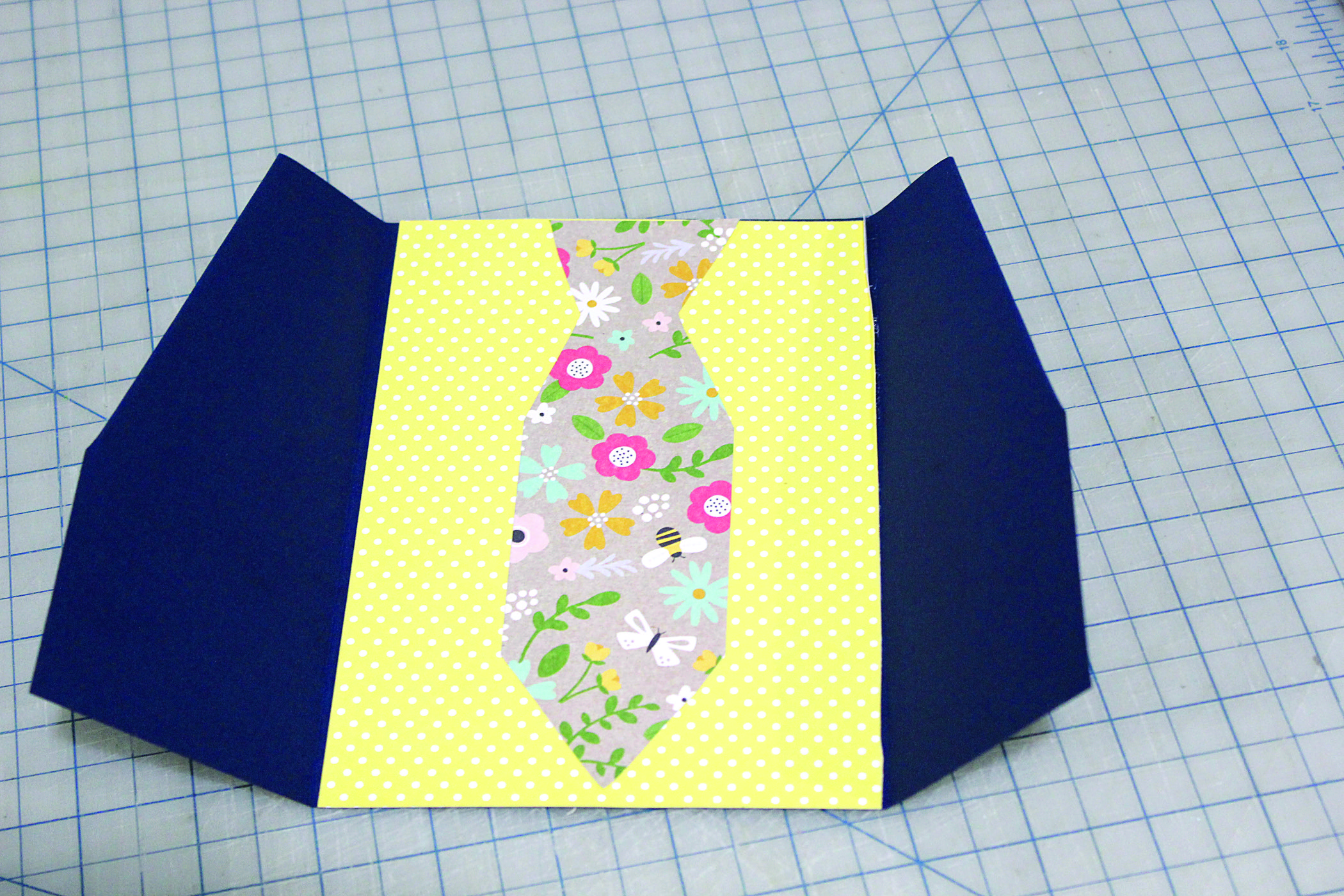 4. Cut a piece of patterned paper to 5 by 7 inches. Adhere it to the center panel of the card with a glue stick or double-sided tape. Cut out a tie shape in a coordinating paper and adhere it to the center of the panel.
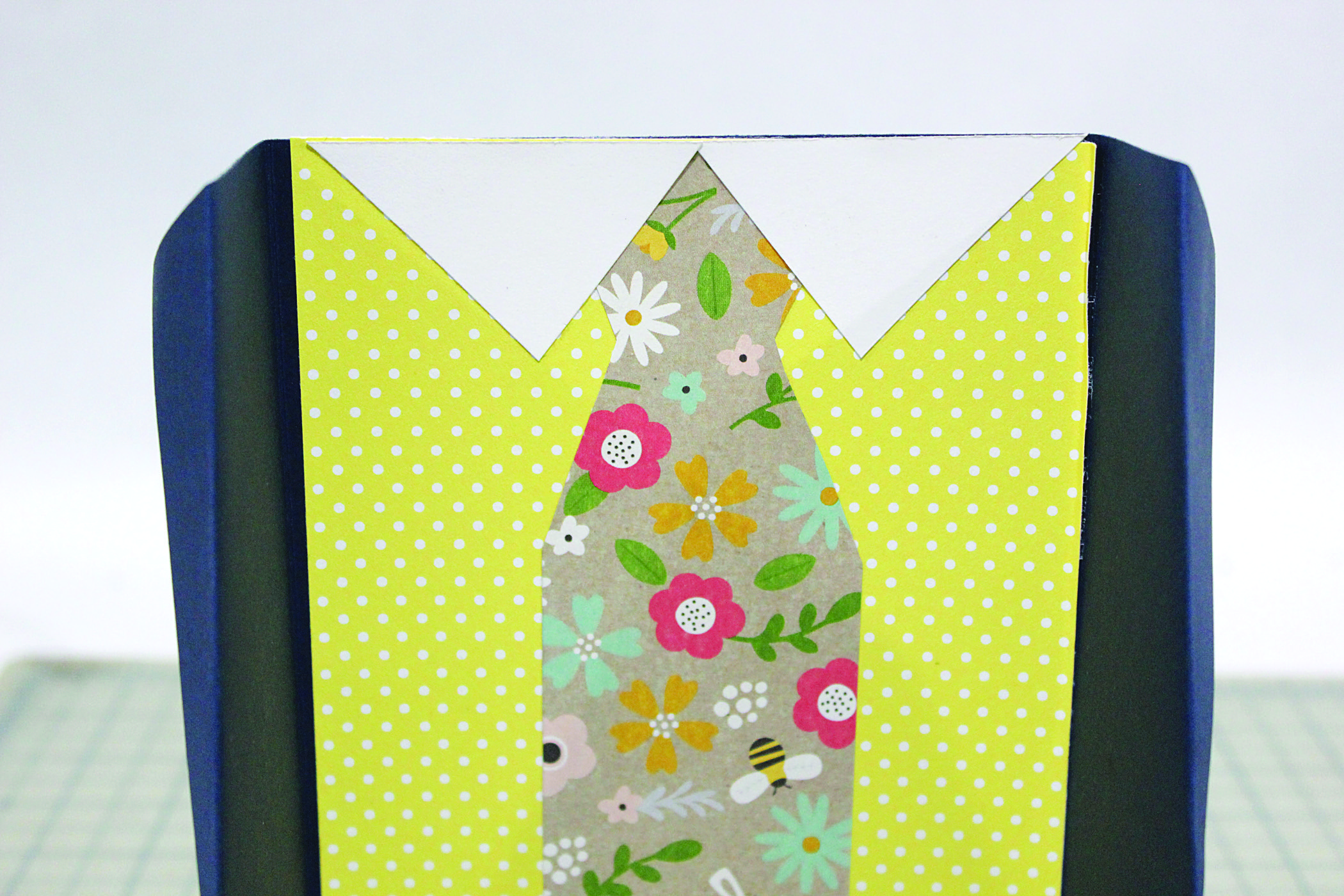 5. Cut two triangles out of white paper for the collar and adhere them to the top of the center panel.
 6. Glue two buttons to the panel that is 2 3/4 inches wide. This panel overlaps the 2 1/2-inch-wide panel to close the suit.
Jonathan Fong is the author of “Flowers That Wow” and “Parties That Wow,” and host of “Style With a Smile” on YouTube. You can see more of his do-it-yourself projects at jonathanfongstyle.com.